
Review · PARIS CITY TOURS
Discover the Champagne through its Terroirs in Paris !
Champagne tastes different when you chase its origins. This 1 hour 15 minute Paris session explains Champagne terroir in a way that actually connects to what you smell and sip. It also gives you the full grower story, not just a quick toast.
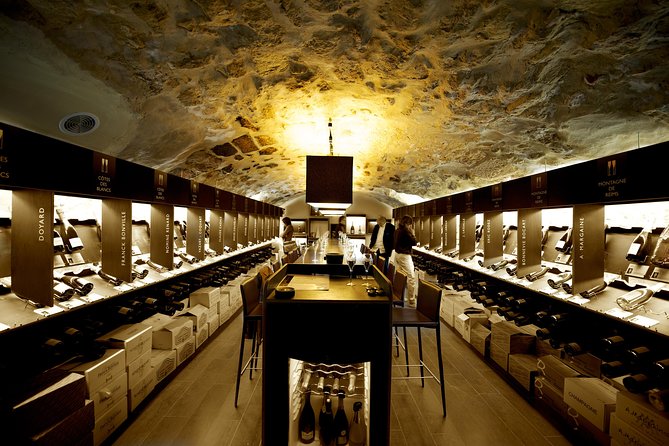
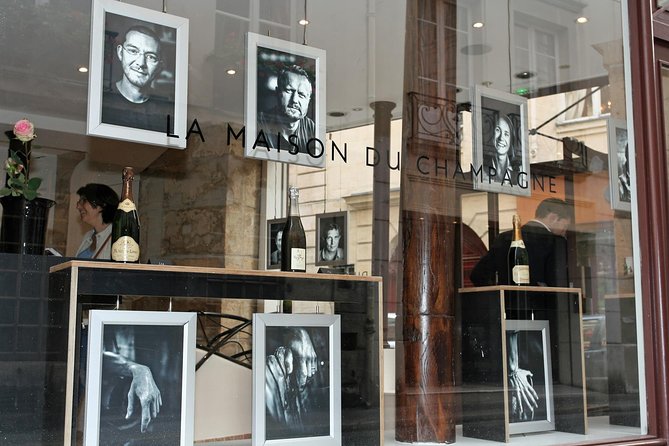
What I like most is that you get real guidance on the differences between grapes, terroir, and the blend. The second win is the setting, you start in a small retail space and then step down into a cave-like 17th-century cellar for the tasting.
The main catch is comfort and smell rules. The team is serious about fragrances and odors, and the experience is in a cellar with stairs and tighter space, so it can be tough if you are sensitive or have claustrophobia.
Key things that make this Champagne terroir tasting worth your time
- Up to 8 people means you actually get time to ask questions, not just swallow-and-go.
- Three 80 ml Champagne glasses plus a tasting flow built around terroir comparisons.
- A fact card for each pour helps you remember grower details and what to look for in aromas and taste.
- A 17th-century cellar experience with an atmospheric walk down into the caves.
- Grower Champagne focus with guided aroma work, so you learn to taste with intent.
- You can buy Champagne to go or for delivery right after you learn what you like.
Champagne through terroir: what you learn beyond the sip
This is not a generic Champagne flight. You’re here to understand why two bottles with the same general Champagne style can taste different, even when bubbles are doing their job. The session is built to connect what’s in the glass to where it comes from, and what the producer chose to do with it.
You’ll taste three small pours while the guide ties each one back to a specific terroir story. The menu and selection can vary, but the theme stays consistent: compare how grapes and place show up in aroma, structure, and finish. They also talk about blend choices, because terroir alone is not the whole story.
The tone is casual but focused. You’re not expected to be a wine expert, but you are expected to pay attention. That balance is exactly why I think this works in Paris, where people often want fast experiences, not watered-down explanations.
You can also read our reviews of more wine tours in Paris
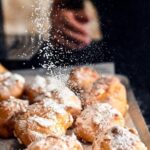

What’s in the tasting flight, and why the differences matter
The tasting includes four different varietals of Champagne covered during the session, with three glasses served as part of the terroir comparison. In other words, you’re not just sipping four random bottles. You’re learning how producers can express place through fruit character, acidity, and the way the blend is put together.
In practice, you’ll get guidance for smelling first, then tasting. That order matters because Champagne is all about nuance, and aroma changes fast when the glass warms slightly. The guide also presents grower Champagne and explains aromas you might otherwise miss.
Here is what you should listen for as you taste:
- The aroma shape: does it read more like fruit, floral, or something more mineral and taut?
- The balance: how the bubbles feel against the acidity and texture.
- The finish: does it feel crisp and clean, or rounder and sweeter, and where does it linger?
Even if you’re new to Champagne, terroir-led tasting is a useful skill. It helps you stop buying based only on sweetness level or price tag. You start buying based on what you enjoy, with a reason behind it.
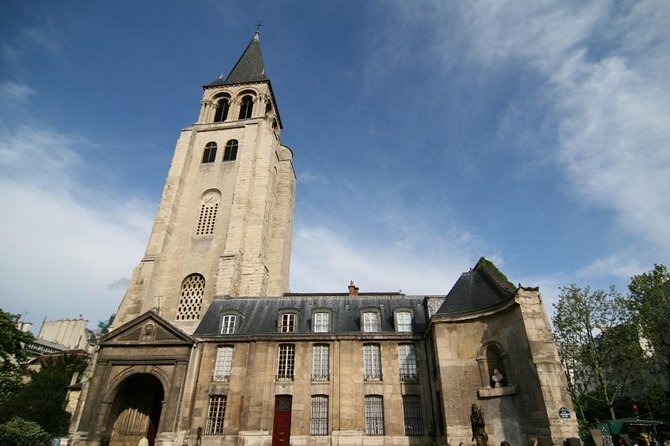
The walking route: Saint-Germain, Pont-Neuf, Saint-Michel, the Seine, Les Halles
Before the cellar part starts, the experience moves through central Paris with five stops. You’ll pass through areas you’ve probably seen from postcards, but this route keeps it practical, and it fits the timing of a short tasting session.
Stop 1 is Saint Germain des Pres Quarter, a good place to begin because it’s lively and easy to orient yourself around the Left Bank feel. This is where you get into the mood for a wine-and-food kind of Paris afternoon or evening. The main drawback here is simple: it’s city walking, so wear shoes you can stand in.
Stop 2 is Samaritaine Paris Pont-neuf. This is a natural mid-route landmark area, and it’s convenient if you are using public transport. Again, the walking is manageable, but you should expect some curb and sidewalk time.
Stop 3 is Odeon / Saint-Michel, which puts you near the classic Latin Quarter atmosphere. It’s a nice stretch for snapping a couple photos if you like street scenes, because the tasting is coming next.
Stop 4 is Quais de la Seine, and this stop is your atmosphere break. Even if you don’t pause for long, being close to the river tends to reset your senses for smell and taste work in the cellar.
Stop 5 is Les Halles, where the route ends back near major central access points. This is one of the reasons the experience fits well into a Paris itinerary, you are not stranded far away from food options afterward.
Inside the cellar: how the 17th-century setting changes the tasting
The tasting happens in a cellar described as cave-like, with the classic feel of stone and cool air. One thing I genuinely love about this kind of setup is how it changes your focus. You stop thinking about the noise of Paris and start thinking about glass, aroma, and palate.
You enter from a small retail area, then go down into the cellar. That downshift matters, especially with this tasting’s emphasis on smell. The guide’s pacing works better when everyone is settled and quiet enough to notice subtle differences.
And yes, you should take the smell instructions seriously. The team asks you to arrive 10 minutes before the session, and they also request:
- do not wear lipstick
- do not brush your teeth right before coming, since you may taste too much acidity
- avoid drinking coffee or other strong flavored drinks beforehand
- skip gum
- do not wear perfume or aftershave
They even reserve the right to refuse entry if your fragrance seems strong enough to disturb the group, and there is no refund. That rule is annoying in theory, but it makes sense in practice. Champagne aromas are delicate, and strong perfume can steamroll them fast.
Food pairing and why the biscuits are part of the point
This tasting includes small food additions designed to keep your palate comfortable. You’ll start with bread on demand, and you’ll get a pairing of sweet or savory biscuits alongside the Champagne.
Here’s why that matters. Champagne can be tricky if your mouth is dry or if you go in with only bubbles as your flavor input. Bread helps reset, and the biscuits give a predictable sweetness or saltiness that can make the Champagne taste shift in a useful way.
In a terroir-focused tasting, you want to notice differences between pours, not differences caused by your stomach. The biscuits are part of that control. They help you compare without feeling like you’re guessing.
How the guide teaches terroir: grapes, place, and blend
A big part of the value here is the teaching style. The guide doesn’t just say where grapes are grown and call it a day. You get aroma-focused help, and you’re shown how grapes, terroir, and blend work together.
You’ll learn about the regions connected to each Champagne in the selection. That matters because terroir is not a marketing word. It’s a bundle of factors that show up as acidity, flavor texture, and the way aroma lifts from the glass.
You also get grower context, which is where many people end up caring more about Champagne. Producer choices affect how fruity, crisp, or structured a wine tastes, even when grape and place are similar. The guide’s goal is to make you understand why the tasting lineup tastes the way it does, not just what it tastes like.
The fact card, and what you can do with it
One detail I love in this kind of tasting is having a memory aid in your hands. Here you get a fact card linked to the Champagne you taste. It includes details like the grower and notes on smell and taste, plus extra points that help you remember what you liked and why.
That makes a real difference when you’re shopping after the session. You’re not stuck with a vague feeling of, I liked one bottle. Instead you can connect your preference to a type of terroir expression or a producer style.
After the tasting, you can purchase Champagne to go or arrange delivery. That’s a practical perk if you want to bring something home without worrying about what fits in your luggage.
Value check: is $79.29 a fair price for a terroir Champagne lesson?
At $79.29 per person for about 1 hour 15 minutes, you’re paying for two things: time with a guide and three structured pours in a small group. The price also includes the setting and the tasting format, meaning you’re not just buying alcohol, you’re buying interpretation.
You get three 80 ml glasses, plus bread and biscuits. Those included items matter because they help you actually experience the flight, not just get a buzz and a blur. The session size also affects value, since a group capped at 8 tends to create more interaction than big bus-style tastings.
Where it becomes especially good value is the terroir education. If you plan to buy Champagne in Paris, this kind of guidance reduces guessing. Even if you only end up buying one bottle, the lesson can steer you toward something you genuinely enjoy.
Who this tasting fits best, and who should think twice
This experience is best for you if you want an easy, central-Paris plan that still feels “real,” not like a drive-through tour. You’ll like it if you enjoy learning through tasting, smell work, and structured comparisons.
It’s also a solid fit for couples or small friend groups who want a guided activity that ends in time for dinner. The small group helps, and the guide-led pace keeps it from feeling rushed.
Think twice if you have claustrophobia, since the tasting takes place in a cave-like cellar with stairs. Also take the smell rules seriously if you use perfume, strong aftershave, or lipstick. This is one of those experiences where being considerate keeps the whole room comfortable.
Should you book this Champagne through terroir tasting in Paris?
Book it if you want a Champagne experience that teaches you how to taste, not just what to taste. The combination of terroir-focused guidance, a calm small-group setting, and the included fact cards makes it easier to remember what you learned and bring it into your Champagne shopping later.
Skip it if you’re uncomfortable in tighter spaces or you know smell and strong fragrances bother you. The event’s rules are strict for a reason, and they can impact comfort quickly.
If you’re the type who likes to understand the why behind what’s in your glass, this one is a good use of time in Paris, and it hits right at the sweet spot between education and pleasure.
FAQ
How long is the Champagne tasting experience?
It lasts about 1 hour 15 minutes.
Is the tour offered in English?
Yes, it is offered in English.
What is included in the tasting?
You get three small glasses of Champagne, 80 ml each.
Is there any food included?
Yes. You’ll have bread on demand and you’ll enjoy a pairing of sweet or savory biscuits.
Where does the experience start and end?
It starts at 22 Rue de Savoie, 75006 Paris, France, and ends back at the meeting point.
What are the tasting location details like?
The tasting takes place in a cellar described as cave-like, reached by walking down stairs from a small retail area.
Are there any minimum age requirements?
Yes, the minimum age is 18.
Is this experience suitable for people with claustrophobia?
It is déconseillé aux personnes souffrant de claustrophobie.
Can I buy Champagne after the tasting?
Yes, you can purchase Champagne to go or for delivery.
More Wine Tours in Paris

More Tour Reviews in Paris

Not for you? Here's more nearby things to do in Paris we have reviewed




Paris City Tours, side by side.
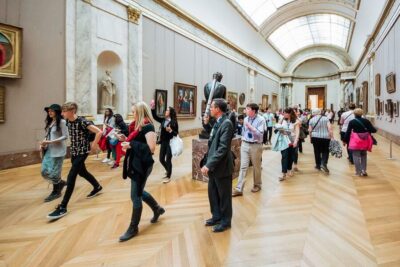 ★ 4.6Louvre Museum Timed-Entrance TicketTickets from $2671,977 guest reviews
 ★ 4.6Disneyland® Paris 1-Day TicketTickets from $6149,412 guest reviews
 ★ 4.6Versailles Palace and Gardens Full Access TicketTickets from $1741,579 guest reviews
 ★ 4.6Arc de Triomphe Rooftop TicketsTickets from $1834,264 guest reviews
 ★ 4.7Orsay Museum Entry TicketTickets from $1525,647 guest reviews
 ★ 4.4Evening River Cruise with MusicTickets from $2722,721 guest reviews
 ★ 4.4Eiffel Tower Entry Ticket with Optional Summit AccessTickets from $2920,035 guest reviews
 ★ 4.3Eiffel Tower Summit or Second Floor AccessTickets from $5917,248 guest reviews
This tour also belongs to