
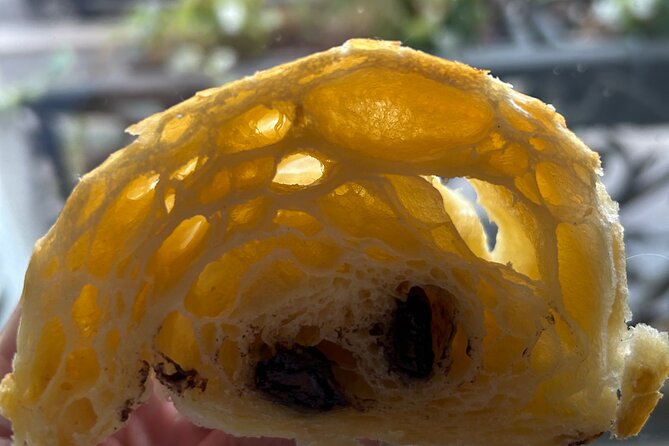
Review · PARIS CITY TOURS
Croissants and pains au chocolat with a pastry chef in Paris
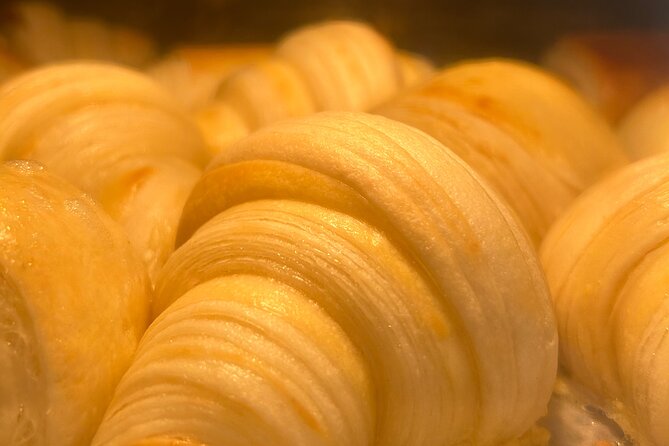
Croissants get serious in Paris. This hands-on class happens in Chef Joannie’s home in the 11th arrondissement, with a small group and step-by-step coaching that covers lamination and fermentation, not just quick shaping. You get real technique, taught in plain language, while you’re actually working the dough.
I love that you leave with more than a souvenir. You also get a recipe and tips sent after the class, plus you enjoy what you bake with a hot beverage, and there’s usually a surprise pastry too.
One consideration: it is not a good fit for everyone. Dietary limits matter here, and the home has a cat, so it is not recommended for gluten free or lactose free diets or for anyone allergic to cats or afraid of them.
Key things I’d bet your time on
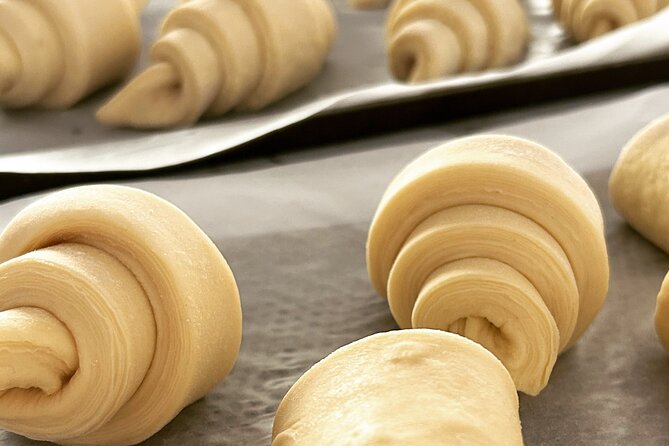
- Chef Joannie teaches the full method, with lamination and fermentation explained while you work
- Small group format (max 6), so you actually get hands-on help
- Take-home payoff, since you bake and bring away what you make
- Recipe sent after, so you can reproduce it at home, not just remember it
- A personal Paris add-on, with recommendations for patisseries and restaurants discussed during the session
- Languages offered in French, English, and Italian, with English available for this booking
Chef Joannie’s Home Kitchen, in Paris 11
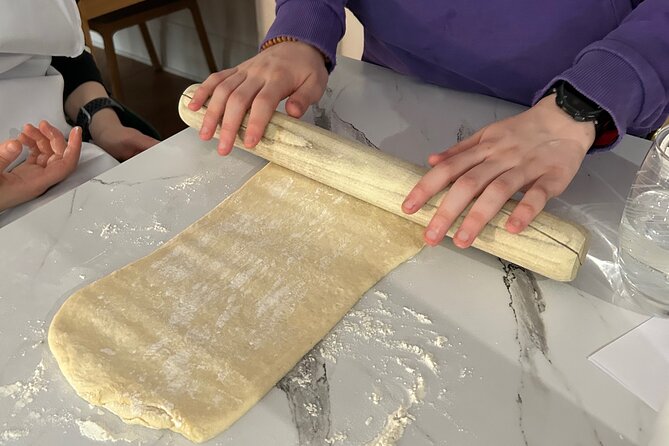
This experience is built around a simple idea: learning croissants and pains au chocolat from a real pastry chef, in a real Paris home. The meeting point is at 115 Bd Voltaire, 75011 Paris, and the session ends back there, which makes it easy to plan the rest of your day.
Why I like this setup for most visitors: you avoid the “walk in, watch, walk out” feeling. With a maximum of 6 travelers, the instructor can keep an eye on your dough, your rolling, and your timing. Several people also highlight how comfortable and clean the home setting feels, which matters when you’re spending 2 hours 30 minutes kneading, folding, and shaping.
The only big heads-up before you go is the cat situation. The class runs in a home with a resident cat, and the operator explicitly notes it is not recommended for people allergic to cats or who are afraid of them. If that’s you, I’d treat this as a hard stop, not a maybe.
You can also read our reviews of more tours and experiences in Paris.



What You Learn in 2 Hours 30 Minutes (and What You Don’t Skip)
A lot of croissant classes only cover the fun parts. This one is aiming at the full backbone of the pastry: dough, lamination, fermentation, shaping, and baking. That matters because croissants are not just “butter dough.” They are controlled layers and controlled time.
Here’s the practical way to think about it. The chef guides you step by step through the process, but she also prepares the dough stages ahead of time so you can do the hands-on work during the class window. That’s what lets a multi-day style process fit into a 2.5 hour lesson.
You will get instruction on:
- How to handle the dough without tearing the layers
- How to roll and fold for proper lamination
- How fermentation affects the final texture and flavor
- How to shape and bake for the right look and bake-through
Even if you’ve never made laminated dough before, the class is designed to be approachable. Reviews also point out that Joannie takes time to explain thoroughly and answers questions patiently, so the lesson feels more like coaching than a lecture.
A Step-by-Step Session You Can Actually Repeat
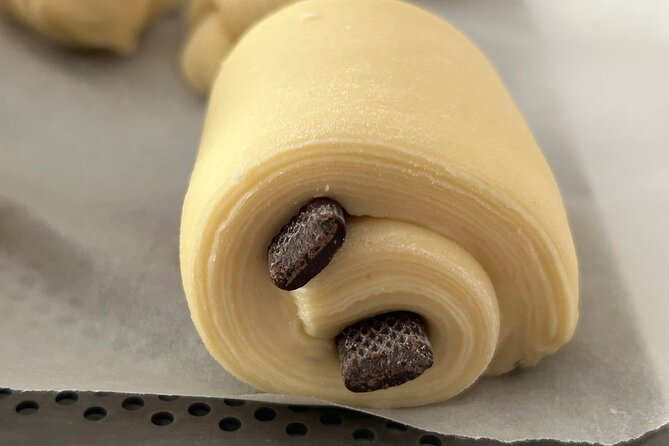
Let’s translate the course description into a realistic flow you can expect. Expect a guided start, then a sequence of hands-on stations moving from dough preparation through lamination and shaping.
1) Arrival, welcome, and the basics
You’ll meet at the address above, then settle in with a hot beverage while the chef sets expectations. This is the moment where you learn the key do’s and don’ts, like how to keep the butter workable and how to prevent the dough from getting out of sync.
2) Working the dough with real technique
This is where the class earns its reputation. Instead of just showing you steps, Joannie walks you through them while you’re doing the work. The result is that you learn what good dough feels like as you knead, handle, and portion.
If you’re prone to rushing, watch that instinct. Croissant dough rewards calm, steady handling. The best part is that the small group size gives the chef room to correct problems early, while there’s still time to fix your layers.






3) Lamination, fold by fold
Lamination is the signature. You’ll practice the rolling and folding that builds those thin layers. In simple terms, you’re aiming for layers that stay intact during baking, so you get that flaky, airy structure instead of a dense pastry.
This is also where the chef’s guidance really helps. If your dough warms too quickly, the butter can smear and ruin the layer pattern. If your folds aren’t even, you get uneven thickness and inconsistent results.
4) Fermentation, explained in a way that matters
Fermentation can sound abstract until someone ties it to what you see and taste. The class includes fermentation as part of the teaching, and you’ll connect how time and temperature affect the dough’s rise and texture.
The class is structured so you learn the concept and the practical effect, even though not every fermentation step is performed from scratch during your 2 hours 30 minutes. That’s also why the home-prepped dough stages mentioned in feedback matter.
5) Shaping, baking, and the moment of truth
Finally, you shape the croissants and pains au chocolat and bake them. This is the part that turns technique into reward. You get to eat what you bake during class, and you also leave with pastries to enjoy later.
If you want the quickest path to success at home after the class, pay close attention during shaping and baking. Shaping and oven performance are where beginners often lose the results they want, even when dough handling was decent.
What You Eat: Croissants, Pains au Chocolat, and a Surprise Pastry
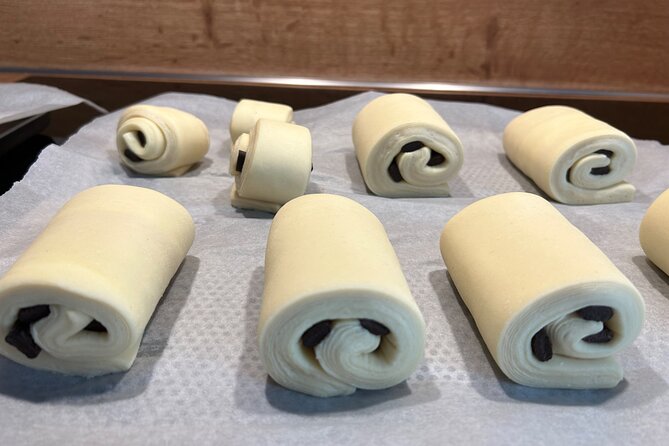
This is not a class where you stand around while someone else eats. You enjoy what you make, with a hot beverage included.
In addition to croissants and pains au chocolat, the chef also prepares a surprise French pastry. Some people report extras like madeleines during their session, but the only guaranteed part from the course info is that you’ll enjoy pastries you bake plus a surprise pastry and a hot drink.
That matters for value because you’re not paying only for instruction. You’re also paying for ingredients, chef time, and the social payoff of sharing something warm and fresh right after baking.
Taking the Skill Home: Recipe Sent After the Class
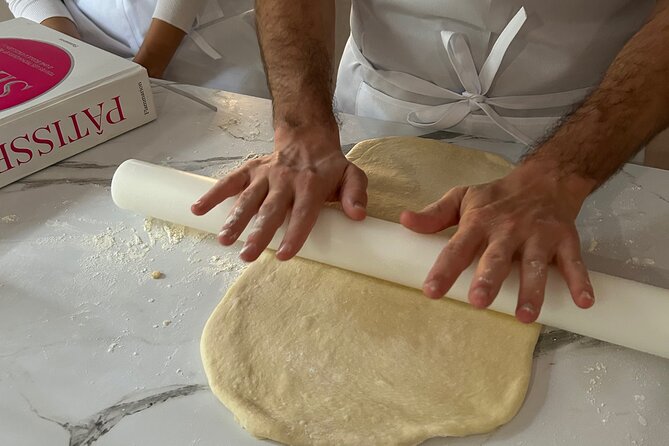
This is one of the strongest reasons to book. The course sends you the recipe and tips after the class, so you’re not stuck with vague memories and a scribbled list.
What you should do when you receive the recipe:
- Read it end to end before starting
- Pay special attention to fermentation timing and dough temperature cues
- Treat the lamination steps as the main skill, not the filler
Also, keep expectations realistic. Several people note that the chef turns a longer, multi-stage process into a three-hour class by preparing dough stages ahead of time. That’s common sense for pastry training. It means the class is the shortcut to learning, but you’ll still need to follow fermentation steps at home when you repeat it.
If you’re the type who loves food gifts, this is the kind of souvenir that keeps paying off weeks later.
Paris Recommendations Built Into the Lesson
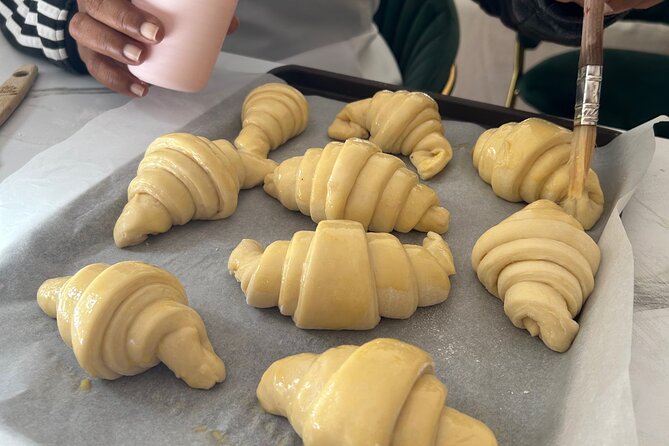
There’s a practical travel bonus here. During your time with Joannie, you discuss your Paris trip and get recommendations for local patisseries and restaurants.
This isn’t a generic leaflet moment. It’s conversation time, which can be useful when you’re trying to balance must-sees with actual places that match what you like to eat. If you’re the planner type, ask specific questions: what neighborhoods to base in, where to go for something classic, and how to avoid wasting time on places that feel built for tourists.
And because you’re learning in the 11th, it also helps you see Paris as more than just landmarks. You’re in a lived-in area, in a kitchen, doing a craft that still feels personal.
Price and Value: Is $126.98 Worth It?
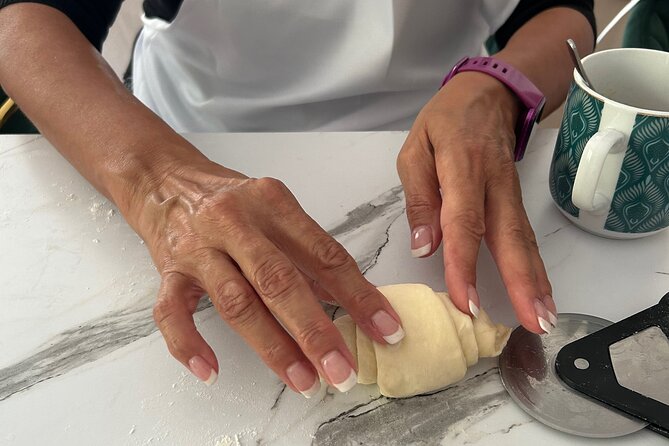
At $126.98 per person for about 2 hours 30 minutes, this is not the cheapest thing you can do in Paris. But it also isn’t “just a demo.”
Here’s what your money is buying:
- Small-group, hands-on instruction with a pastry chef
- Ingredient-heavy work, including butter-focused lamination
- A shared tasting with a hot beverage during class
- A surprise French pastry
- Pastries you bake to enjoy afterward
- A recipe and tips sent after class
For croissant classes, ingredients plus direct coaching are the big cost drivers. In other words, if you enjoy learning by doing, you’re paying for time and technique, not just the final pastry.
A few people felt it was overpriced in their opinion, which is fair. If your goal is only to eat a croissant, you can do that for far less in the city. But if your goal is to learn how to make something iconic and impressive, this class is closer to a skill workshop than a snack stop.
Who This Class Suits Best (and Who Should Skip)
This works well if you:
- Want a hands-on French baking experience in a real home setting
- Learn better by doing than by watching
- Plan to practice at home with the recipe and tips you receive
- Appreciate small-group instruction (max 6 travelers)
It is not recommended if:
- You need a gluten free or lactose free diet
- You are allergic to cats or afraid of cats
- You’re traveling with children under 10
Age-wise, the class can be a family activity for older kids and teens, but the operator is clear that it is not available for younger children.
Logistics That Matter: Languages, Tickets, and Timing
This activity is offered in English for this booking, and activities are available in French, English, and Italian. If you want to understand the fine points of lamination, language clarity matters. You’ll be in good shape here.
You’ll also get a mobile ticket, and the meeting point is near public transportation. That matters in Paris because “easy to reach” can be the difference between a smooth start and a stressed scramble.
One more practical note: it’s commonly booked about 54 days in advance. That’s usually a signal of popularity, or at least that people plan ahead for specialty workshops. If you’re set on doing it, don’t wait until the last minute.
My Practical Booking Tips for Getting the Best Results
If you’re trying to maximize the impact of a pastry class during a limited Paris trip, I’d book this early. You’ll finish with pastries you can taste immediately, and you’ll leave with a technique you can build on for breakfast or a baking evening later in your vacation.
Also:
- Wear clothes you’re comfortable getting a little flour or dough on
- Go in with questions. Croissants reward curiosity
- If you have any allergy concerns, check the cat and dairy notes before you commit
And because this is a home-based class, follow the vibe: be punctual and be ready to participate.
Should You Book This Croissants and Pains au Chocolat Class?
I think you should book it if you want a true skill experience, not just a food stop. The small group limit, the step-by-step coaching from Chef Joannie, the inclusion of lamination and fermentation as real teaching points, and the fact that you get a recipe and tips after class all push it into the “worth doing” category.
Skip it if you are dealing with cat allergies, need gluten free or lactose free options, or you’re traveling with kids under 10. In those cases, the risk of not matching your needs is too high.
FAQ
How long is the class?
The experience lasts about 2 hours 30 minutes.
Where is the meeting point?
You meet at 115 Bd Voltaire, 75011 Paris, France, and the activity ends back at the same meeting point.
How many people are in the group?
The class has a maximum of 6 travelers.
Is this class offered in English?
Yes, this booking is offered in English. The activity is available in French, English, and Italian.
What pastries will I make?
You will learn how to make croissants and pains au chocolat.
Will I get the recipe after the class?
Yes. The recipe and tips are sent to you after the class so you can reproduce the pastries at home.
Is it suitable for children or dietary restrictions?
It is not available for children under 10. It is also not recommended for gluten free and/or lactose free diets, and it is not recommended for people allergic to cats or afraid of them.
Is free cancellation available?
Yes. You can cancel up to 24 hours in advance for a full refund. If you cancel less than 24 hours before the start time, the amount paid is not refunded.
More Tour Reviews in Paris
Not for you? Here's more nearby things to do in Paris we have reviewed












Paris City Tours, side by side.
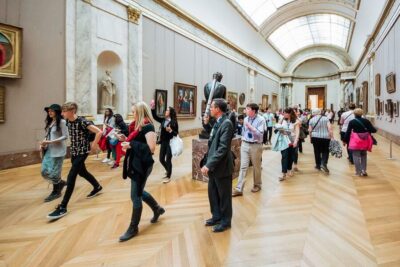 ★ 4.6Louvre Museum Timed-Entrance TicketTickets from $2671,977 guest reviews
 ★ 4.6Disneyland® Paris 1-Day TicketTickets from $6149,412 guest reviews
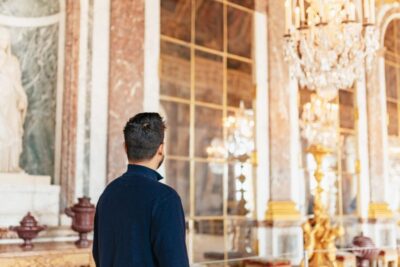 ★ 4.6Versailles Palace and Gardens Full Access TicketTickets from $1741,579 guest reviews
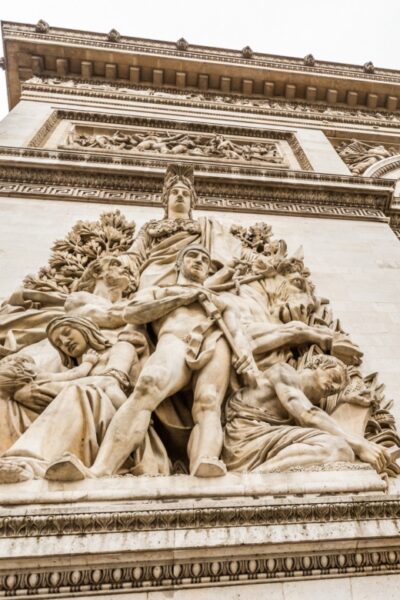 ★ 4.6Arc de Triomphe Rooftop TicketsTickets from $1834,264 guest reviews
 ★ 4.7Orsay Museum Entry TicketTickets from $1525,647 guest reviews
 ★ 4.4Evening River Cruise with MusicTickets from $2722,721 guest reviews
 ★ 4.4Eiffel Tower Entry Ticket with Optional Summit AccessTickets from $2920,035 guest reviews
 ★ 4.3Eiffel Tower Summit or Second Floor AccessTickets from $5917,248 guest reviews