
Review · CHAMPAGNE DAY TRIPS
Champagne Day Trip from Paris with 8 Tastings & Lunch
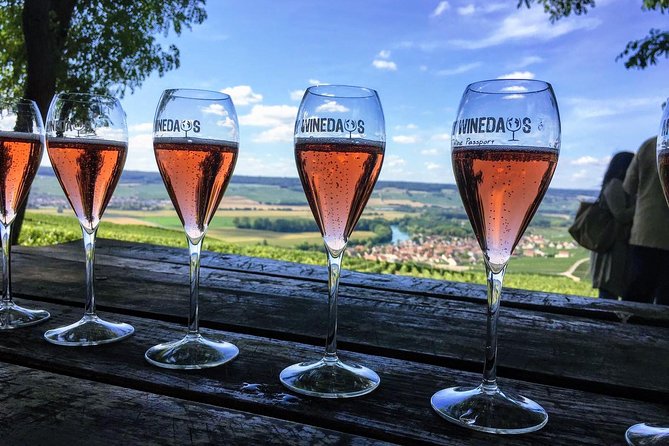
Bubbles, history, and a serious sip schedule. This small-group Champagne day trip from Paris (max 8 people) gives you at least 8 Champagne tastings plus a lunch pairing, all in one long day. My kind of win here is the chance to see both a major producer and a family-run estate, so you taste Champagne as an industry and as a craft. One fair heads-up, this is an 11-hour day, with a lot of time on the road, so you will want to be ready for the commute.
You leave from central Paris, ride east in an air-conditioned minivan, and start learning fast. Expect cellars with cold damp air, vineyard talk in the van, and stop-and-stretch moments in Reims, including a quick look at Cathédrale Notre-Dame de Reims when timing and weather allow.
Key highlights that matter in real life
- Max 8 people means more back-and-forth with your guide, not just standing in a crowd.
- At least 8 tastings plus a lunch paired with Champagne gives you real comparison, not just a single pour.
- Two styles of producers are built into the day, a big Champagne house plus a family-run estate or cooperative.
- Your guide teaches the vocabulary behind the wine: blanc de blancs, blanc de noirs, rosé making, and crus categories.
- Cold cellars are part of the plan, so bring a layer, even if Paris feels warm.
Why this Champagne day trip feels different from Paris tours
Paris gives you cafés and monuments. This tour gives you the other side of Champagne: how it gets made, who controls it, and how the grape choices show up in the glass.
I like that it is not just a checklist. You do guided cellar time, you taste repeatedly, and you actually learn how the region works, from grapes to cru concepts. The small group also helps. When the guide is the one doing the talking, you get a smoother flow, and you can ask follow-ups about what you are tasting instead of trying to shout over a bus group.
The one trade-off is the format. It is packed into a full day and includes winery visits, tastings, and driving. If you hate long rides, you may find the commute the hardest part, even though the van is air-conditioned and you get little breaks built in.
You can also read our reviews of more wine tours in Paris

Getting out of Paris: pickup, the van ride, and early starts
Pickup is straightforward. Your tour operator offers hotel pickup across Paris, with the exact pickup time sent about 24 hours ahead. You ride in an air-conditioned minivan and, along the way, you get short stops that help you break up the drive.
Before you even hit Champagne country, the day is designed to warm you up with context. You may nibble on a flaky croissant during the morning ride, and you will get quick lessons about the Champagne region as the countryside starts to appear. The plan also includes passing by historical monuments in Paris during pickup, so you get a little “get your bearings fast” energy before the road trip begins.
Timing matters here. Reims is often your first major stop, with the day running roughly 11 hours total. If you want the best experience, eat breakfast before pickup. One common theme is that there is no real food stop until the lunch portion later in the day.
Reims and the cathedral stop: a quick dose of place
Reims is a natural starting point for a Champagne tour because it is central to the region’s identity. On the schedule, you can have a stop in Reims (about 1 hour) and a short visit connected to Cathédrale Notre-Dame de Reims (around 15 minutes) depending on itinerary and weather.
This is not a museum day in Reims, and you should not expect deep free time. Instead, think of it as grounding. You get a sense of how Champagne culture is tied to the city, and then you shift gears back to wine mode.
If you are the type who likes seeing at least one “real city” moment beyond the vineyards, this helps. If you are only focused on tasting, you might treat this segment as a brief scenic pause.
First big house in the cellars: what you get from the guided tours
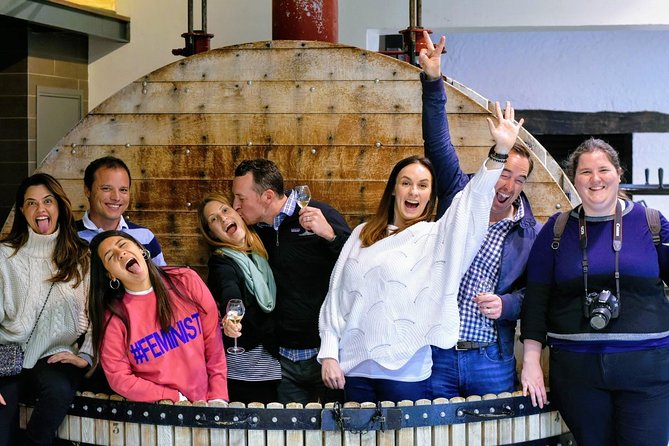
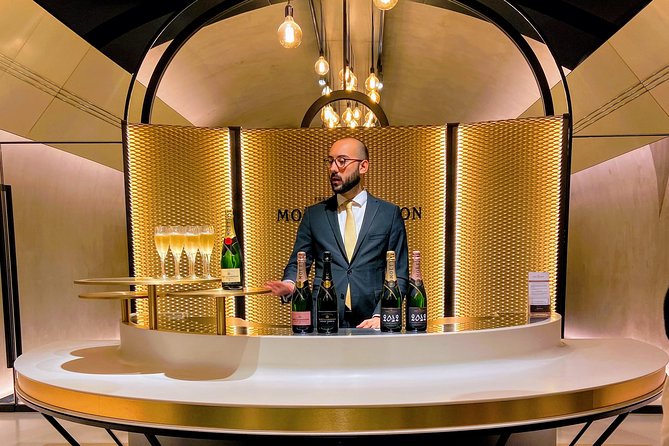
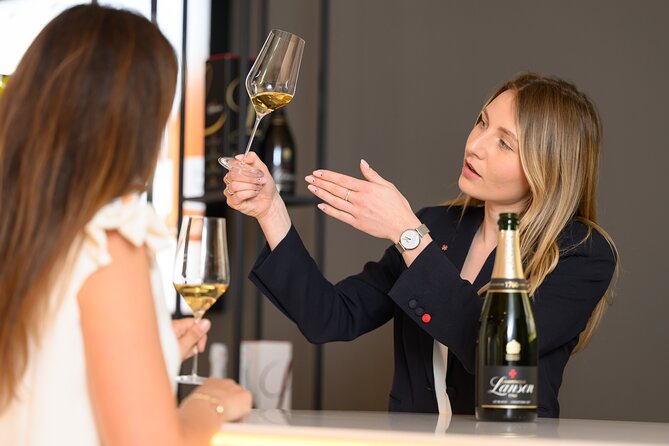
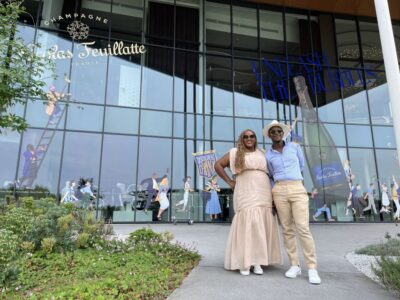
Most of the time, the first major tasting is at a well-known Champagne house. Depending on availability, you could visit options like Moët & Chandon, Veuve Clicquot, Mumm, Lanson, or Nicholas Feuillatte.
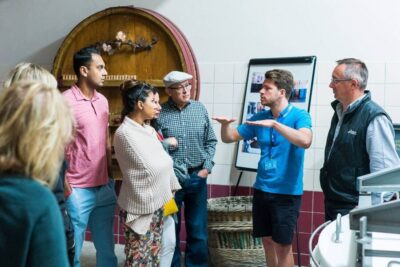
What you are really paying for here is the guided experience inside the cellars. You step into galleries and learn how Champagne is built around the méthode champenoise. That matters because Champagne is not only about grapes, it is also about process, timing, and the “second life” the wine gets after the first fermentation.
During this segment, the tour is set up so you taste at the end of the guided tour, not before. That sequence helps you taste with context instead of tasting blind. In the same day you will still compare different wines later, but this first house often sets your baseline for style.
A practical note: cellar environments are usually cold and damp, around 45°F / 10°C. Bring a layer you can take in and out easily, because you may spend some time in those conditions.
The vineyard drive: Montagne de Reims, Cote des Blancs, and Vallée de la Marne
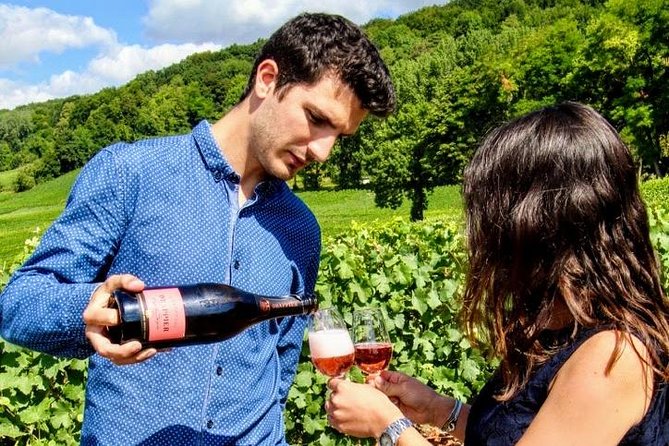
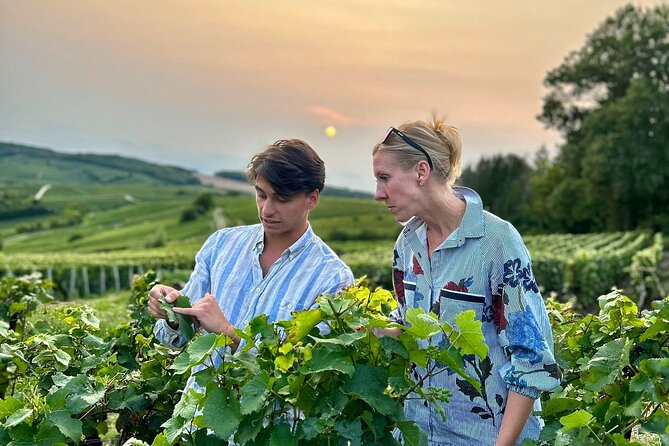
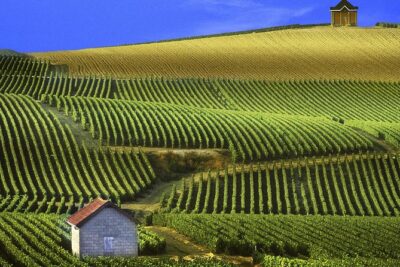
After the first tastings and tours, you are back in the minivan. The plan includes driving through major Champagne areas, including Montagne de Reims, Cote des Blancs, and the Vallée de la Marne, with views framed between Reims, Ay, and Épernay.
This part is not a slow sightseeing tour. It is informational travel time. Your guide helps you connect what you see to what you will taste, including how to distinguish the three main Champagne grape varieties:
- Chardonnay
- Pinot noir
- Pinot meunier
If you want to understand Champagne beyond the label, this is where the tour quietly earns its value. The road time creates a bridge between the wine lessons in the cellars and the tasting comparisons you make later at smaller stops.
More Paris tours and experiences for the shortlist




Champagne vocab made practical: blanc de blancs, rosé, and crus
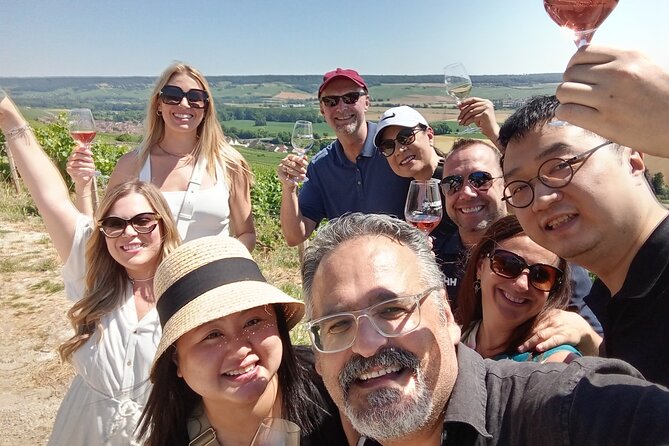
One of the best parts of this tour is that it is not only about drinking. The day is built around learning the terms and concepts people see on Champagne bottles.
You should be able to leave with answers to questions like:
- What is a blanc de blancs, and what is a blanc de noirs?
- How is Champagne rosé made?
- Do Grands Crus and Premiers Crus exist in Champagne?
- Is there a specific Champagne terroir?
The way they make this feel usable is through repeated tastings and guided explanations. When you drink a Chardonnay-forward Champagne, the blanc de blancs idea becomes obvious. When you taste a Pinot noir or Pinot meunier-based bottle, you start to understand the difference between the wine styles.
On the rosé question, you will get the general making approach tied to how Champagne evolves in the region. And the crus conversation is useful because it gives you a framework for why some bottles cost more, even when the label looks similar at first glance.
Bottom line, if you plan to buy Champagne while in France, you will be a more confident shopper. You will know what to look for beyond the shiny name on the bottle.
Lunch pairing at a family-run estate: the food part you should not skip
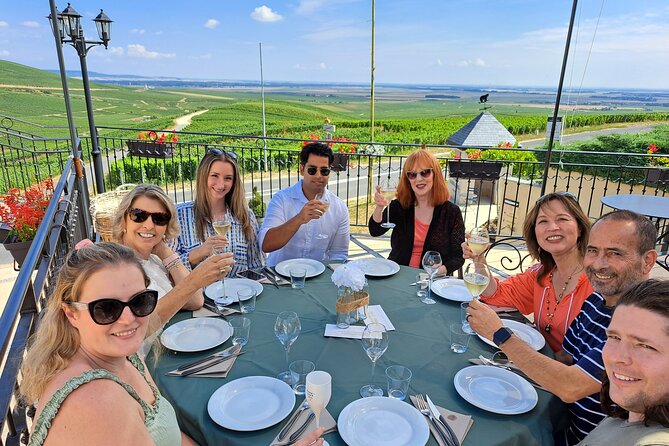
Lunch is a signature element here. You eat at a family-run Champagne estate, with a traditional meal paired with Champagne. It is scheduled as a block of about 2 hours.
This is one of those rare situations where the pairing feels like part of the education, not a side quest. You get to taste different bottles around a real meal, so your palate learns how Champagne behaves with food. That helps explain why some pairings make sense for certain styles, not just for the romance of bubbles.
A practical tip: lunch is later in the day, so if you arrive hungry, you will feel it during the earlier drives and cellar segments. Eat breakfast beforehand, then pace your tastings so you enjoy lunch instead of chasing it with water.
Also, cellars are cold but lunch is usually where you reset. You will likely want to dress in layers, because you can move from damp cellar air to warmer dining space quickly.
Cooperative or family-run vineyard time: seeing what happens outside the spotlight
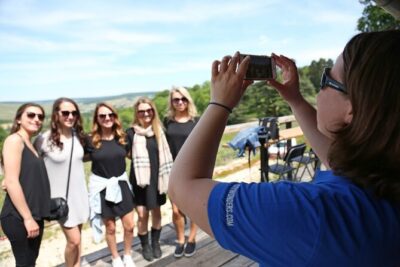
After lunch, the itinerary typically includes another stop where you discover either a family-run vineyard or a cooperative, plus time for scenic views and photos.
This is important because it balances the day. Big houses show you one scale and one marketing story. A cooperative or family-run estate shows you another side of Champagne, including how production works when it is tied directly to growers and regional systems.
The schedule includes time for landscapes (about 30 minutes) for views and photos, and then the estate or cooperative segment (about 1 hour 15 minutes). You come out of this part understanding the region is not just a few famous names.
It also keeps your tasting comparisons grounded. By the time you reach your later sips, you will likely recognize the style differences more easily because you have already learned the grape and process vocabulary earlier.
So, is $353.72 worth it? Value check for a full Champagne education
This price is not cheap for France, and the day is long. Still, the value comes from four things packed together.
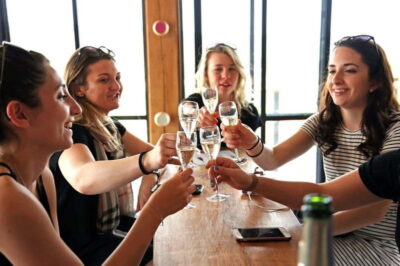
First, you get at least 8 different tastings. Even with generous pours, this kind of lineup is what makes the day feel like a true comparison session.
Second, you get both a major house visit and a smaller, more local experience. That mix is what turns this from a drinking tour into a learning day you can apply later.
Third, the group size caps at 8. That usually means more personal attention, and in practice it often leads to smoother pacing during tastings and explanation.
Fourth, you do not have to plan transport. The minivan, the guided visits, and the lunch pairing remove the biggest friction of doing Champagne on your own from Paris.
One caution on value: schedule timing can shift due to availability and seasonal conditions. On a bad traffic or rain day, you might feel the time pressure, especially if a tasting ends earlier than expected or the road gets slower than planned.
Comfort, pacing, and who this tour suits best
This is a long day, about 11 hours. The structure also means you will be on your feet some of the time, then seated in the van, then standing again during cellar tours and tastings.
So I’d recommend it most for:
- Wine lovers who want Champagne terminology and style comparisons
- People who like small-group tours with active guidance
- Anyone who wants a one-day plan that covers Reims and major Champagne areas without stress
It may be less ideal if:
- You hate long drives and want a relaxed pace
- You prefer lots of free time instead of planned stops
- You are very sensitive to time shifts during rainy or busy travel conditions
If you take one practical step, take a warm layer for the cellars. Cellar air at 45°F / 10°C is not a rumor.
Final verdict: should you book this Champagne day trip?
I’d book this tour if you want a real Champagne education plus a lot of tastings, without the headache of organizing transport and reservations. The best reason to choose it is the balance: big-house cellar guidance, small-estate or cooperative perspective, and lunch paired to keep your tasting experience grounded.
I would think twice if your top priority is a short, leisurely outing or if the long day feels like a deal-breaker. Also, if you have a must-visit named producer, know that the exact houses can depend on availability, so flexibility makes the day smoother.
If you are ready for an early start, a warm layer, and a full day of Champagne comparisons, this is a strong pick from Paris.
FAQ
How many people are on this Champagne day trip?
The tour is limited to a maximum of 8 travelers, which helps keep the experience focused and well-paced.
How many Champagne tastings are included?
You should expect to taste at least 8 different Champagnes during the day.
What Champagne houses might I visit?
You may visit a famous Champagne house such as Moët & Chandon, Veuve Clicquot, Mumm, Lanson, or Nicholas Feuillatte, depending on availability.
Is lunch included, and is it paired with Champagne?
Yes. The tour includes a traditional lunch paired with Champagne at a family-run estate (depending on availability).
What stops are included in the itinerary?
The day can include Reims, a possible short stop at Cathédrale Notre-Dame de Reims, lunch in the Champagne-Ardenne area, and visits connected to a family-run vineyard or cooperative plus a scenic viewpoint stop.
What is the total duration of the tour?
The duration is about 11 hours, approximately.
Do I get hotel pickup in Paris?
Yes. Pickup is offered from your hotel or apartment within Paris, with the exact pickup time sent about 24 hours before departure.
Where does the tour drop you off after the day ends?
The tour ends with drop-off in central Paris in the evening.
What should I wear for winery visits and cellars?
Caves and wine cellars are usually cold and damp, around 45°F / 10°C. Bring a warm layer because you will likely spend time inside.
Is the tour for people under 18?
No. The minimum legal drinking age is 18 years old.
More Lunch Experiences in Paris
More Wine Tours in Paris

More Tour Reviews in Paris


Not for you? Here's more nearby things to do in Paris we have reviewed







Champagne Day Trips, side by side.
 ★ 5.0Champagne Day Trip with 6 Tastings, Reims and Winery from ParisTickets from $278902 guest reviews
 ★ 4.8From Paris: Reims and Champagne Tasting Full-Day TourTickets from $411610 guest reviews
 ★ 5.0Champagne and Reims Tasting Day Trip from ParisTickets from $422370 guest reviews
 ★ 4.9From Paris: Small-Group Champagne Day Trip with Six TastingsTickets from $271289 guest reviews
 ★ 4.6From Paris: Champagne Day Trip with 7 Tastings and LunchTickets from $29397 guest reviews
 ★ 5.0Champagne Region Private Day Trip from ParisTickets from $1,68968 guest reviews
 ★ 4.5VIP Champagne Region Day Trip with 7 Tastings & Lunch from ParisTickets from $33847 guest reviews
 ★ 4.0Champagne Day Tour with Reims, Cellars Visit & Champagne Tasting from ParisTickets from $20428 guest reviews
This tour also belongs to