
Review · PARIS CITY TOURS
A Day of Exploring Black Paris
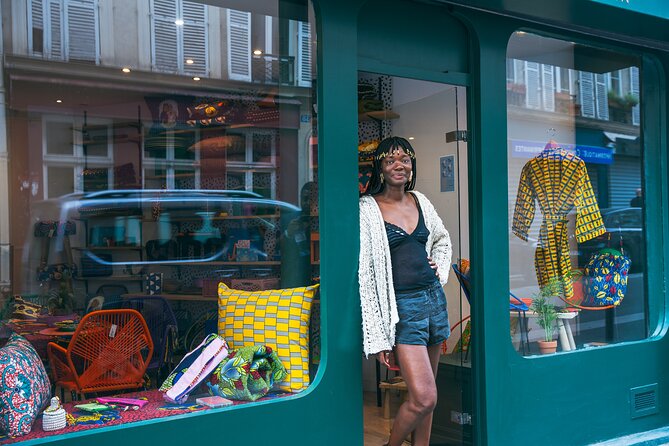
Black Paris rewires how you see the city. In this 6-hour day with guide Knight, you get a new lens on Paris through African and diasporic writers, nightlife, and community life, moving by Metro between key landmarks. I love the small group feel, which makes it easy to ask questions and actually talk. I also like that breakfast is built in at Les Deux Magots, so the day starts with the right mood.
The only real drawback to plan for is the walking and stairs, so bring comfortable shoes and be ready to move at a steady pace. This tour runs in English, uses a mobile ticket, and caps the group at 10 people.
Key points I think you’ll care about most
- Breakfast at Les Deux Magots starts the day in a historic literary setting, not a random coffee stop
- Présence Africaine is more than a bookstore, it is tied to major African and diasporic ideas in Paris
- La Rhumerie adds a French Caribbean angle, linking rum, trade, and culture
- Pigalle and Goutte-d’Or show how migration shaped neighborhoods, from performance to markets
- You end at BMK Paris-Bamako with time to relax and reflect, and lunch at the end is not included
Entering Black Paris through a true Paris-day rhythm
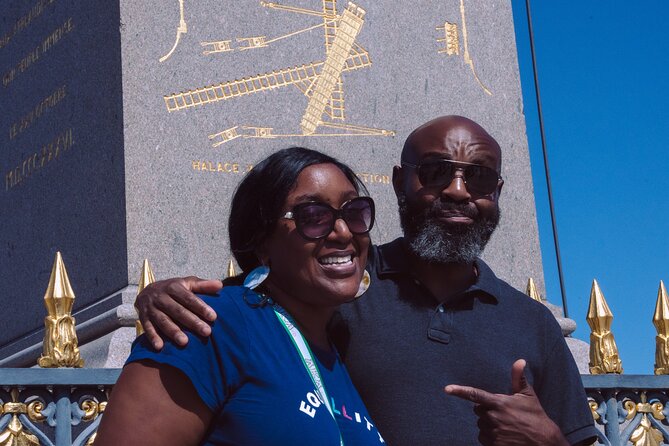
This tour works because it feels like a real Paris day, not a museum circuit. You start in the café world, shift into print and publishing, then move through neighborhoods shaped by culture, music, and everyday commerce. Knight keeps the day connected so the places make sense as a whole story.
It also helps that the group stays small. When you are capped at 10 travelers, the guide can slow down when a question lands. That matters on a topic as broad as Black Paris, where context makes the difference between facts that stick and facts that fade.
One more practical upside: you are not just walking. You also use public transit all day with an included Metro pass, which saves your legs for the neighborhood sections.
You can also read our reviews of more tours and experiences in Paris.



Price and value for $216.48 in a 6-hour day
At $216.48 per person for about 6 hours, this is not a budget, grab-a-ticket-and-go stroll. But it can be good value if you want a specialist guide and time for conversation.
Here is what you get that helps justify the price:
- Breakfast is included at the start (croissant plus bread with Poitou-Charentes butter, plus a hot drink)
- An all-day Metro pass is included, which reduces add-on costs and planning stress
- You are guided in English by a single person for a full half day, not shuffled among multiple stops with vague explanations
Also, the booking pattern says something. The tour is commonly booked about 35 days in advance on average, which often means it sells because people find it worth planning for, not because it is trendy for a week.
Meet-up at Saint-Germain, then a pace that expects real walking
You start at 6 Pl. Saint-Germain des Prés at 10:00 am and finish at 14 Rue de la Fidélité, 75010 Paris. The start location puts you near a classic first-time Paris area, and the end point lands you in the 10th, close to where you might want to keep exploring after the tour.
The pace is active. Expect walking segments and some stairs. Even if you are fine with the length, this is not the kind of experience you do in flimsy shoes or slow-motion mode. If you are someone who travels light but hates uneven pavement, you will want to adjust how you pack for the day.
Knight has shown care for guest comfort, including adjusting when needed, so it is smart to be upfront early if you have limits. Still, you should go in knowing the tour is built around movement.
Les Deux Magots breakfast: start in a literary Paris sweet spot
The day begins at Les Deux Magots, a famous historic café with a strong reputation in Parisian intellectual life. Before you head out, you meet the group and settle in, then you eat a light French breakfast.
What makes this stop more than a convenient café is the context. Knight sets up the day by tying the café’s Paris role to Black writers who lived and worked in the city. That framing matters because it primes you to notice connections as you move to the next stops.
Practical tip: if you have a sensitive stomach or coffee jitters, go slow at breakfast. You have a long day after, and Paris cafés often come with a fast rhythm.
Présence Africaine: where ideas traveled through pages
Next you visit Présence Africaine, a landmark bookstore and publishing house founded in 1949. This is one of those places where the walls feel like they hold conversations from decades ago.
You will learn why this space mattered for African and diasporic intellectual life in Paris, and how writing and publishing connected Africa, the Caribbean, and Europe. In other words, this stop is about how culture spreads, not just where people hang out.
Why I like this as a tour stop: it gives you a concrete anchor for the day. You can physically see the “infrastructure” of ideas, then compare that to what you will later experience in neighborhoods like Pigalle and Goutte-d’Or.
This is also a relatively shorter stop, so it does not bog down the schedule. You get context, you look around, and then you move on.




La Rhumerie: the French Caribbean link you can taste and track
At La Rhumerie, you step into a historic rum house founded in 1932 with roots in the French Caribbean. This stop adds an economic and cultural connection to the day, showing that Black Paris is not only about art and writing. It is also about trade routes, foodways, and the movement of people and goods.
You learn how Paris ties into the Caribbean through these kinds of businesses, not just through big historical events. It is a more everyday angle on history, which is exactly what makes it feel grounded.
Potential drawback: if you are expecting a long sit-down tasting experience, this stop is described as an inside visit with an educational focus, not a full food tour. You should treat it like a story-and-context stop, with maybe some sensory highlights depending on what is happening inside that day.
Pigalle’s Black performance past: music, nightlife, migration
Then you head to Pigalle, a neighborhood that once had a strong Black performer presence in the early 20th century. Here you explore how music, nightlife, and migration reshaped the area, and why it mattered to Black Parisian history.
This stop feels different from the bookstore and café stops because the neighborhood itself does part of the storytelling. You are walking through Paris streets while Knight connects the dots between performance culture and migration patterns.
If you like walking tours, this is one of the stops where the “street level” factor helps. You get to feel the neighborhood texture while learning why certain communities and venues mattered.
Tip: if you plan to take lots of photos, slow down. Knight’s guidance includes respect for people in working neighborhoods. That includes thinking about filming, not just what looks good in your camera roll.
Goutte-d’Or: markets, daily life, and cultural change
From Pigalle, you continue to La Goutte d’Or, known for its African communities and a strong role as a cultural and commercial hub. This is where the day shifts toward everyday life.
You walk local streets and market areas while learning how the neighborhood became a place where culture and business grew together. This is not about sitting and listening the whole time. You are seeing the neighborhood in motion, which helps the history feel current.
Why this stop lands well for me: it connects “history” to routines. Markets are where you notice how communities organize daily life. That is a different kind of learning than a plaque or a single portrait.
What to watch: like the rest of the tour, you will be on your feet. Markets also mean more people around. Keep your bag secure and be ready for tighter walking spaces.
Ending at BMK Paris-Bamako: relax, reflect, and plan dinner
Your final stop is BMK Paris-Bamako, an African restaurant where you have about an hour to relax, reflect, and share day highlights with the group. It is a communal ending, and you get to slow down after the walking and transit.
Important detail: lunch at BMK Paris-Bamako is not included. You are finishing at a restaurant, but you should treat the meal as optional rather than built into the price.
I like tours that end this way because it changes the vibe. After hours of context, you can talk it over while you eat something you genuinely feel like you earned. If you are hungry, come prepared to order food there, or plan a separate dinner nearby depending on what you want.
Small-group format with Knight: why the guide matters here
A lot of Paris tours can point at a building and say it used to be important. This one is different because Knight ties the places to people, movements, and the links between generations.
The best part is how the guide handles the group. You get a lot of interaction, and the tone feels friendly and personal. Multiple people mention that Knight is not only informative, but also personable and fun, which keeps the day from feeling heavy.
You can also benefit from his practical instincts. People note that Knight recommends good places to eat, which is a real help after a tour like this that ends mid-day or early afternoon.
Photos, respect, and how to avoid awkward moments
One piece of advice shows up clearly in guest comments: listen to the guide about filming and photography, especially in neighborhoods where people are working and living. That is good street etiquette anywhere, but it matters even more when your tour is about communities, not just sights.
If you want photos, ask first when you are unsure. Then focus on your own frame. You will capture the Paris you came for without turning real life into content.
Also, keep your phone away in tighter crowd spots. Save pictures for when you have space, so you are not blocking foot traffic.
Who should book this Black Paris tour
This tour is a strong match if you want:
- A Black-centered perspective on Paris, tied to real neighborhoods and institutions
- A mix of culture, food culture, and community life, not only monument viewing
- An active half-day with Metro rides and walking, plus time to talk to your guide
It may be less ideal if you:
- Struggle with stairs and long walking days
- Prefer a mostly seated experience
- Want a simple sightseeing route with minimal context
If you are traveling solo, the small group format helps a lot. It also works well for couples and friends who want shared learning and shared meals afterward.
A quick reality check before you go
This is a moderate physical fitness tour. That does not mean “athlete only,” but it does mean you should plan for a steady pace. Bring comfortable walking shoes, keep water in mind, and wear layers if weather changes during the day.
Also, this tour requires good weather, so if Paris gives you rain, the operator may offer a different date or a full refund. Plan your week so you have some flexibility.
Should you book A Day of Exploring Black Paris?
I think you should book it if Black Paris is on your must-do list and you want the day to feel like a story you can walk through. The included breakfast at Les Deux Magots, the intellectual anchor of Présence Africaine, and the neighborhood visits through Pigalle and Goutte-d’Or make this more than a “see Paris” tour.
Choose it with confidence if you like small-group guidance, meaningful context, and food added in without turning the day into a long meal marathon. It is especially worth it if you want to leave with a different mental map of the city, not just photos of it.
Choose a different option only if walking stairs is a problem for you, because this tour is built around moving through the city.
If you’re ready for that active, perspective-shifting half day, AfroNomadik’s A Day of Exploring Black Paris is one of the most purposeful ways to spend your time in Paris.
FAQ
How long is the A Day of Exploring Black Paris tour?
It runs for about 6 hours.
What’s included in the tour price?
Breakfast is included at the start, plus an all-day Metro pass. The breakfast includes a croissant, bread with Poitou-Charentes butter, and a choice of hot drink.
Is lunch included at the end of the tour?
No. Lunch at BMK Paris-Bamako is not included, though you do get time to relax there at the end of the tour.
What’s the group size?
The tour has a maximum of 10 travelers.
Is the tour offered in English?
Yes, it is offered in English.
Where do I meet the tour, and where does it end?
You meet at 6 Pl. Saint-Germain des Prés, 75006 Paris, and the tour ends at 14 Rue de la Fidélité, 75010 Paris.
Do I receive a mobile ticket?
Yes, the tour uses a mobile ticket.
Can I get a full refund if I cancel, and what about bad weather?
You can cancel for a full refund up to 24 hours in advance. The tour requires good weather, and if it is canceled due to poor weather, you will be offered a different date or a full refund.
More Tour Reviews in Paris
Not for you? Here's more nearby things to do in Paris we have reviewed












Paris City Tours, side by side.
 ★ 4.6Louvre Museum Timed-Entrance TicketTickets from $2671,977 guest reviews
 ★ 4.6Disneyland® Paris 1-Day TicketTickets from $6149,412 guest reviews
 ★ 4.6Versailles Palace and Gardens Full Access TicketTickets from $1741,579 guest reviews
 ★ 4.6Arc de Triomphe Rooftop TicketsTickets from $1834,264 guest reviews
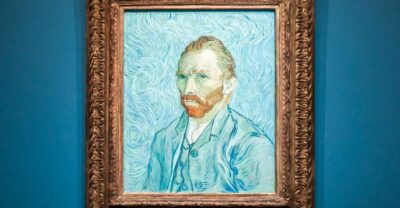 ★ 4.7Orsay Museum Entry TicketTickets from $1525,647 guest reviews
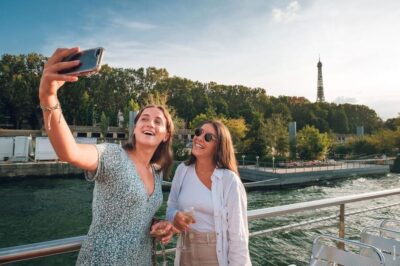 ★ 4.4Evening River Cruise with MusicTickets from $2722,721 guest reviews
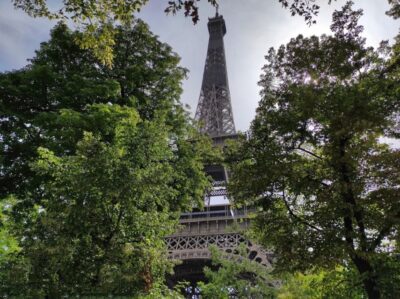 ★ 4.4Eiffel Tower Entry Ticket with Optional Summit AccessTickets from $2920,035 guest reviews
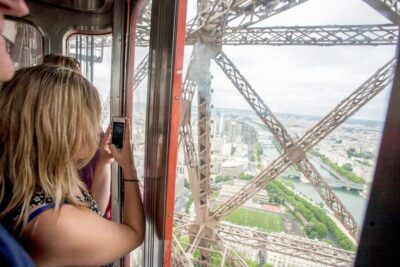 ★ 4.3Eiffel Tower Summit or Second Floor AccessTickets from $5917,248 guest reviews