
Six pours, zero pressure in Paris. In a retro-style boutique with Nicolas at Paris Wine Co, I love the six-wine flight that walks you across French wine styles, and I love that every pour comes with AOC bread and cheese so pairing feels practical, not theoretical. The main drawback to consider: it is a short, boutique experience, so if you’re looking for a long day trip or a big, high-energy group, this won’t match that vibe.
You’ll meet your host at the Paris Wine Co boutique, then settle in for an English-led, interactive tasting that lasts about 2 hours. It’s set up for solo visitors, with a relaxed pace where you can ask questions and linger over each step without feeling rushed.
Key highlights
- Six wines from across France to compare styles like Alsace, Bordeaux, Champagne, and beyond
- AOC bread and cheese pairing that teaches you how the food changes what you taste
- Nicolas as sommelier and host, with a friendly, humorous, question-friendly approach
- Solo-friendly, small-group feel that keeps the experience relaxed and chatty
- Generous pours and plenty of snacks so you can actually focus on the tasting
- English instruction in a central Paris boutique setting
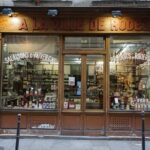
Walking into the Paris Wine Co boutique
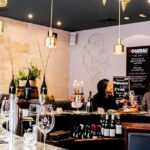
The experience starts the moment you step into the Paris Wine Co boutique, described as retro-style and cozy. This matters because wine tastings can feel stiff if the setting screams classroom. Here, the room feels made for conversation, which helps you relax enough to taste for differences instead of trying to memorize labels.
You are not shuffled into a rigid script either. You meet your host there, then settle in for a guided tasting where you can move at your own speed. The session is designed to feel interactive but not hectic, and that is a big part of why it works well even when you’re coming solo.
You can also read our reviews of more food & drink experiences in Paris

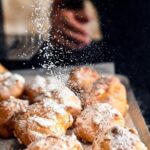

The 2-hour flow: six wines, bread, and cheese
Think of the tasting as a sequence of short lessons, each built around a glass of wine and a pairing you can compare. You’ll taste 6 wines over the course of about 2 hours, and each one is paired with French AOC bread and cheese, plus water to keep things comfortable.
That structure is the real value. Instead of asking you to bounce between wine and food on your own, the host sets up the comparison for you. When you taste Wine 1, then take a bite, you start noticing patterns, like how fat, salt, and acidity in cheese can sharpen or soften certain flavors in the wine.
What you’ll taste, and why that lineup is smart
The tasting is built to show how different French regions produce different styles. You’ll sample wines from areas including Alsace, Bordeaux, and Champagne, plus additional regions beyond those. Even if you’re new to wine, that mix helps you stop thinking of French wine as one category and start seeing it as a set of distinct styles.
Here’s how to make it work for you while you taste:
- Take one careful sip before adding cheese or bread.
- Then taste again with the pairing.
- Finally, ask your host what they think you should notice next, since the whole point is learning the logic behind the pairing.
How the host turns pairing into a skill you can use later
Wine tastings often teach you names. This one teaches you why the pairing works, which is what you can use long after you leave Paris Wine Co.
You’ll get guided explanations about the differences across regions, but the centerpiece is pairing wine with a range of French cheeses and breads. In practice, that means you learn how cheese texture and flavor intensity affect the wine experience. Soft cheese can make wine feel rounder, aged cheese can make it feel sharper, and bread can reset your palate between pours.
I like that the session stays relaxed while still being instructional. The host is there to answer questions, explain what’s happening, and keep the flow enjoyable. And the best pairings are not just “this cheese matches this wine.” It’s more like, this wine’s character changes when you add salt, fat, and bread, so you begin tasting with a plan.
Meeting Nicolas: friendly expertise with a human touch
One theme shows up again and again in the way people describe their experience: Nicolas brings real enthusiasm and a memorable style. People point to humor and an easy, warm teaching approach, and that combo matters. If the host talks like a textbook, you drift. If the host talks like a friend who actually loves wine, you focus.
Nicolas is also described as being funny, passionate, and good at explaining wine even to newcomers. That is important because you don’t need to arrive knowing anything. The experience is built for all levels, from first-timers to people who already have opinions about Burgundy versus Bordeaux.
There is also a practical advantage: because the format is chat-friendly, you can ask specific questions as you go. If you’re curious about terroir, sweetness, bubbles, tannins, or why certain cheeses fit certain bottles, you have a direct way to get your answers without doing homework later.
And one extra note from how people describe Nicolas: some mention he also offers Paris car tours. If you’re trying to stack experiences, you might ask him about availability on the day, since his connection to the city can add another layer to your trip.
You can also read our reviews of more wine tours in Paris



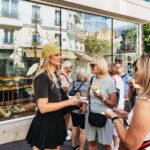

Understanding France’s wine regions through direct comparisons
You’ll learn about the differences between French wine producing regions as part of the tasting. That sounds big, but the way it’s presented is simple: each wine is its own moment, then you compare it to what came before.
Alsace often stands out for style and clarity, while Bordeaux is known for structure and complexity. Champagne is its own special category because the bubbles change how you perceive sweetness, acidity, and texture. You don’t need to know these in advance. The point is to taste and then let the host connect the dots.
When you do this in sequence, you start picking up on patterns, like:
- How acidity makes cheese taste fresher
- How bubbles can reset your palate
- How tannins can feel more drying or more balanced depending on the food
That’s the quiet payoff. You leave with more confidence describing what you like, instead of only saying yes or no.
Cheese, baguette, and the value of resetting your palate
The bread and cheese are not an afterthought. The format includes a cheese platter and baguette, and you taste with each wine. That matters because a wine tasting without solid food can become tiring. Here, bread and cheese help you keep tasting, compare more clearly, and enjoy the session without feeling like you’re running out of steam.
Also, cheese pairings are guided, not random. You learn why the cheeses go with particular wines, and that explanation is the part you will remember when you shop later. You can try to match wine to cheese on your own, but having the reasoning in your head makes it much easier.
My advice for you: don’t treat the cheese like a side snack. Treat it like part of the tasting instrument. If you eat everything at once, you miss the changes. If you take small bites between sips, you’ll start to understand the mechanics.
Who this is best for, and who should skip it
This is ideal if you:
- Are traveling solo and want an experience that includes conversation, not just a cold self-guided walk
- Want to learn French wine basics without getting buried in jargon
- Like pairing food and wine in a way you can copy later
- Enjoy a relaxed setting more than a formal seminar
It may not be the best fit if you want:
- A full-day itinerary, vineyard visits, or a lot of travel time
- A loud party atmosphere
- A tasting focused on one specific region only
Because it’s about six wines, the session stays tight and focused. That’s a benefit if you want results quickly. It’s a drawback if you came to spend half the day in one cellar.
Price and value: is $90 for two hours fair?
It costs $90 per person for a 2-hour session. That sounds steep until you factor in what’s included: a sommelier host, 6 wines, cheese and baguette, and water, all in central Paris with English guidance.
In my book, the value comes from the ratio of teaching to consumption. You’re not paying for “access to a pour station.” You’re paying for guided explanations plus a structured tasting that helps you learn how wine changes with food. The best tastings make you better at tasting. This one aims to do exactly that.
Also, people describe the experience as having generous pours and plentiful snacks. If that holds true for your session, the price starts to feel more reasonable, because you’re not rationed into tiny tastes.
If you’re the type who plans a trip around food and wants practical learning, $90 for two hours is a solid trade. If you only want a quick sip or you don’t care about wine pairing, you might find better value elsewhere.
Timing, pace, and small-group comfort
The activity lasts about 2 hours, and you can check availability for starting times. The pacing is built to be interactive yet relaxed, which is key for a solo-friendly experience. You are encouraged to take your time, ask questions, and linger over each pairing.
The group size is described as small, and it is designed for 1 participant bookings in the format details. In real life, a session can vary in who joins you, but the overall goal stays the same: keep it intimate enough that you can actually talk and not just listen.
If you want to make the most of it, arrive ready to taste. Skip a heavy meal beforehand, but don’t come hungry enough that you’re in scramble mode. Let the cheese and bread do their job, and use the host’s explanations as your tasting compass.
Quick tips to get more out of the tasting
A few practical moves will help you learn faster and remember more:
- Take notes on what you liked before the session ends, especially when a pairing surprises you.
- Ask one question per wine, not one big question at the end. You’ll get more targeted answers.
- If you’re unsure what to ask, start with what you smell first, then ask how that connects to the region.
One more tip: if your brain starts craving certainty, remember this is wine. There is no single correct answer. Your job is to notice what changes when wine meets cheese and bread.
Should you book this wine and cheese tasting in Paris?
I’d recommend this if you want a solo-friendly Paris experience that mixes learning with real enjoyment. The strongest reason to book is the pairing format: you get 6 wines plus AOC bread and cheese, guided by Nicolas in an English-led setting where questions are welcome and the pace stays comfortable.
I would skip it if you want a long excursion, a big group vibe, or a wine-focused deep dive into one single region. This one is designed to give you breadth, then help you understand what you’re tasting, not to send you home with a 40-page wine manual.
If you’re on the fence, think about your goal. If your goal is to leave feeling confident ordering wine and understanding cheese pairing choices in everyday life, this is a great bet.
FAQ
Where do I meet the host?
You meet your host at the Paris Wine Co boutique. The activity ends back at the meeting point.
How long is the wine tasting?
The tasting lasts about 2 hours.
How many wines will I taste?
You will taste 6 wines during the session.
What food is included?
Each tasting includes a cheese platter, baguette, and water, with the wines paired with French AOC bread and cheese.
What language is the host?
The host or greeter speaks English.
Is the experience wheelchair accessible?
Yes, the experience is wheelchair accessible.
Is there an age limit?
It is not suitable for children under 18 years.
What is the cancellation policy?
You can cancel up to 24 hours in advance for a full refund.
More Wine Tours in Paris
More Food & Drink Experiences in Paris
More Tour Reviews in Paris


Not for you? Here's more nearby things to do in Paris we have reviewed







Wine Tours, side by side.
 ★ 4.7Moulin Rouge Cabaret Show Ticket with ChampagneTickets from $11516,088 guest reviews
 ★ 5.0Authentic Parisian Gourmet Food Tour with 10 Local Dishes & WinesTickets from $1024,754 guest reviews
 ★ 4.5Loire Valley Castles Day Trip from Paris with Complementary WineTickets from $1493,907 guest reviews
 ★ 5.0Montmartre Hill French Gourmet Food and Wine Tasting Walking TourTickets from $1452,588 guest reviews
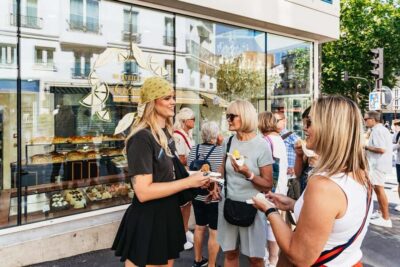 ★ 4.8Montmartre Cheese, Wine & Pastry Guided Walking TourTickets from $1272,255 guest reviews
 ★ 4.6Paradis Latin Cabaret Show with Optional ChampagneTickets from $1062,231 guest reviews
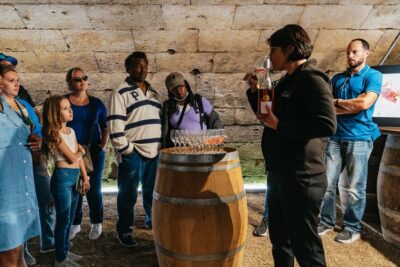 ★ 4.6From Paris: Loire Valley Castles Day Trip With Wine TastingTickets from $1041,727 guest reviews
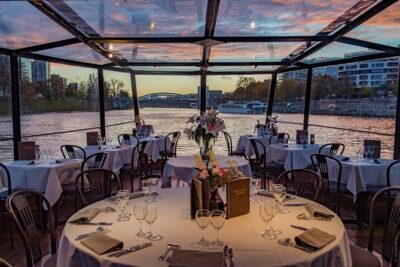 ★ 4.0Paris 3-Courses Gourmet Dinner Seine River Cruise with ChampagneTickets from $1361,659 guest reviews
This tour also belongs to