
Review · PARIS CITY TOURS
Paris: Entrance Ticket to the Chocolate Museum
Chocolate in Paris is usually a treat. Here it is the main course. At the Chocolate Museum Paris, Le Musee Gourmand du Chocolat, you walk through 4,000 years of cacao history while sample stations and a virtual demonstration keep the visit moving. It is a self-guided setup, so you can go at your own pace without feeling rushed.
I love how the museum is built around both story and taste, so you learn why chocolate mattered to ancient cultures and how it became a modern obsession. I also like that the exhibits cover the whole journey, from Olmecs and Mayas to Aztecs and the arrival of cocoa in Europe, including the Christopher Columbus twist.
One consideration: the museum is enjoyable, but it is not a long, sit-there-all-day museum, and some parts (like the hot chocolate experience) may cost extra depending on what is offered when you visit.
Key points to know before you go
- 4,000-year cacao timeline that connects ancient rituals to modern chocolate-making
- Over 1,000 chocolate-related artifacts displayed in about 2,789 sq ft (850 sq m)
- Virtual demonstration featuring 2 Meilleurs Ouvriers de France
- Tastings tied to the exhibits, including praliné and ganache chocolate
- Kid-friendly treasure hunt and activity booklet style experiences for younger visitors
- Audio guide option available at the welcome desk for 3 euros per person
Chocolate Museum Paris: a tasting-focused break from typical sightseeing
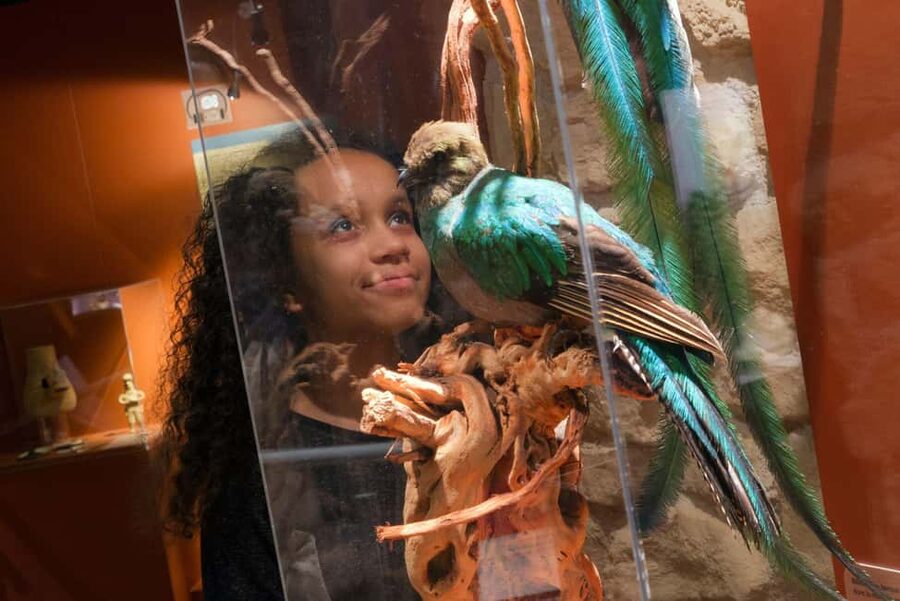
If you want a Paris stop that is equal parts history and snack time, this is it. The Chocolate Museum Paris is set up so you are constantly reminded that chocolate has a story, not just a flavor. You start with early cacao use in Mesoamerica, then follow the path into Europe and eventually into today’s chocolate industry.
What makes it smart for a visit is the pacing. Even though it is self-guided, there are clear exhibit “chapters,” and the tasting moments help you stay engaged. You are not just reading panels. You are learning, watching short demos, and tasting along the way.
The museum also does a nice job with variety. There are artifacts, visual displays, and interactive-style moments. If you are traveling with kids, that matters a lot, and if you are traveling solo or as a couple, it helps you avoid museum fatigue.
More Paris tours and experiences for the shortlist



Before You Go: location, last entry, audio guide, and bag rules

Plan your timing so you arrive with enough daylight in your schedule. The last admission is at 4:30 PM, so late afternoons can feel rushed if you pair this with other attractions.
Your meeting point is straightforward: Chocolate Museum (Le Musee Gourmand du Chocolat), 28 Boulevard de Bonne Nouvelle, 75010 Paris. That puts you in the lively 10th arrondissement area, which is helpful if you are building a flexible day and not trying to force everything into one tight radius.
Two practical notes can save you stress:
- Luggage or large bags are not allowed. If you have a big suitcase, plan to store it elsewhere first.
- The museum is self-guided, but you can pick up an audioguide at the welcome desk for 3 euros per person. It is available in French, English, German, Dutch, Spanish, Italian, and Portuguese.
For reading, the descriptive panels are in English, French, and Spanish, which is great if you prefer visuals with light reading rather than an audio track the whole time.
Your path through 4,000 years of cacao history (and why it went global)
Walking through the exhibits feels like following a chain reaction. Cacao starts as something tightly tied to culture and ritual, then spreads, and eventually becomes a modern craft and industry.
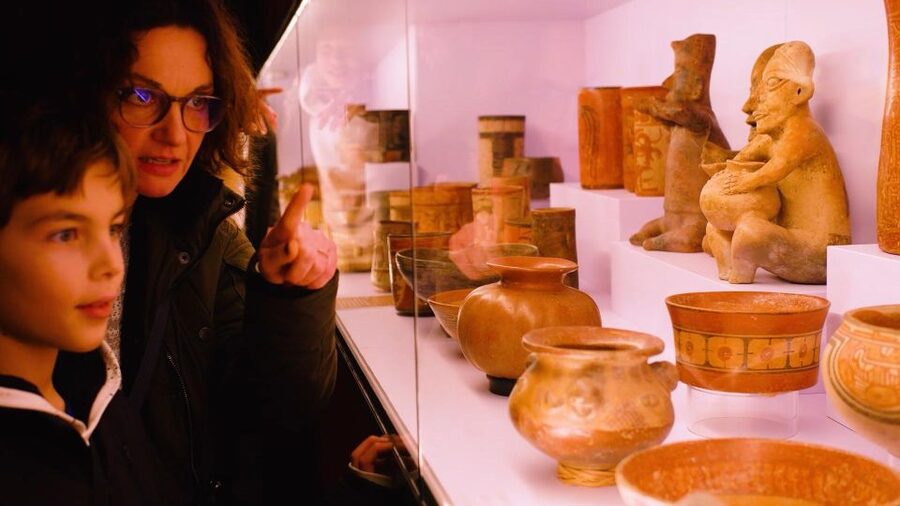
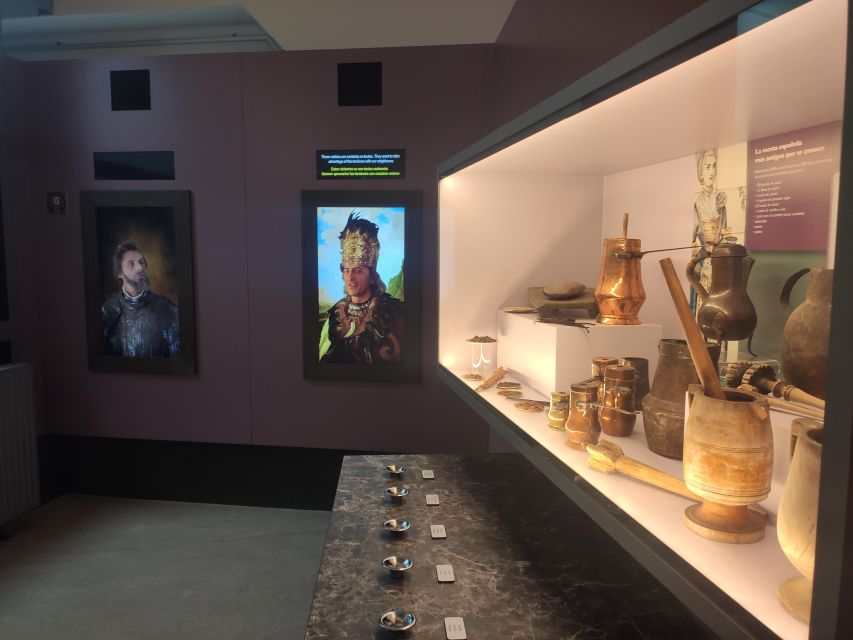
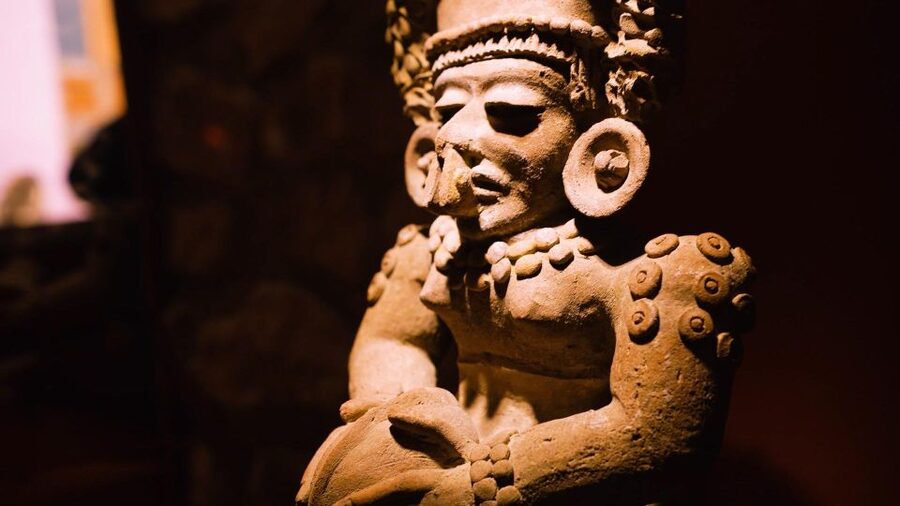
The museum’s storyline begins with ancient civilizations, with displays that connect cacao to peoples like the Olmecs, Mayas, and Aztecs. You learn that chocolate was not always a candy bar. It was used in ceremonies and had meaning beyond taste.
Then you move forward to the point where cocoa begins reaching Europe. The exhibits cover the 1500s, including the Aztec emperor Montezuma introducing cocoa to Europe. That part is useful because it sets up the next beat, which is the Columbus connection. The story is that Christopher Columbus was the first European to taste the tchocoatl drink, but he did not like it, so he paid little attention to chocolate afterward. It is one of those oddly human history moments that makes the timeline feel real.
From there, the museum shifts into how the chocolate trade changed. You see the transformation as chocolate-making becomes more streamlined in the modern era. For me, this is where the museum earns its place, because it explains the “why” behind changes in texture and flavor rather than treating chocolate as a mystery ingredient.
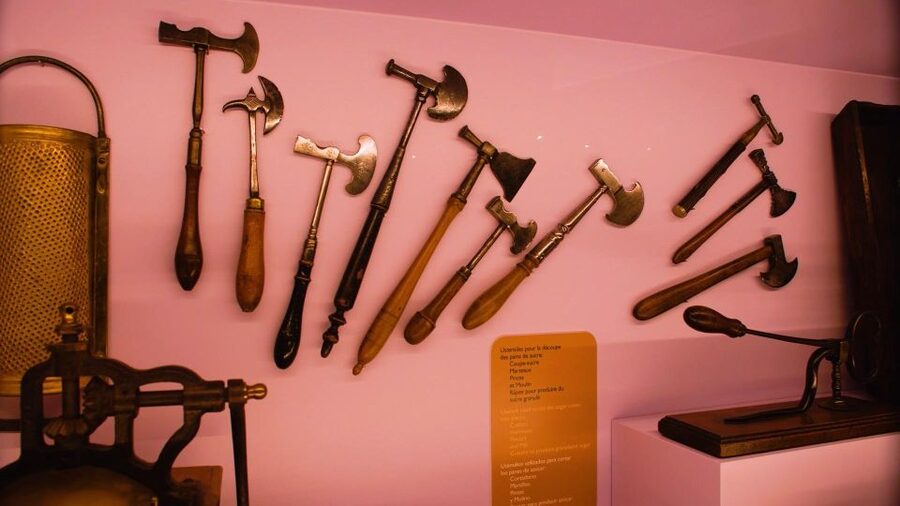
You will also notice the exhibits guide you through chocolate’s journey in multiple forms. The museum includes more than 1,000 chocolate-related artifacts, and those objects help you connect the story to something tangible. It is especially good if you like history but hate when museums feel like one long text lecture.
Virtual demonstration and the science of chocolate’s shiny coat
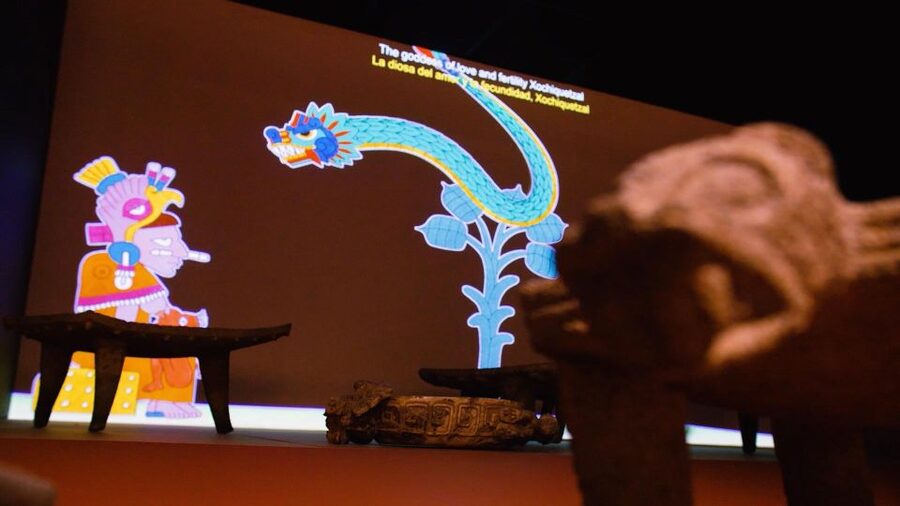
Midway through your visit, you get a virtual demonstration tied to chocolate-making. It features 2 Meilleurs Ouvriers de France, which is a big deal in the French world of skilled craftsmanship. You are not just watching a random video. It is presented as a key part of understanding how the final product looks and behaves.
The museum highlights the secret behind the shiny outer coat that makes chocolate treats so appealing. That might sound like a small detail, but it connects to what you care about when you eat chocolate. The shell, the snap, the way it melts, and the way it holds shape all depend on process, temperature, and handling.
Even if you do not nerd out on chocolate chemistry, the demonstration helps you connect the tasting to something practical. You are more likely to notice differences between samples because you have a mental framework.
If you prefer to read the panels first and watch later, you can do that. The self-guided format makes it easy to match your style.
Tastings that actually connect to what you just learned
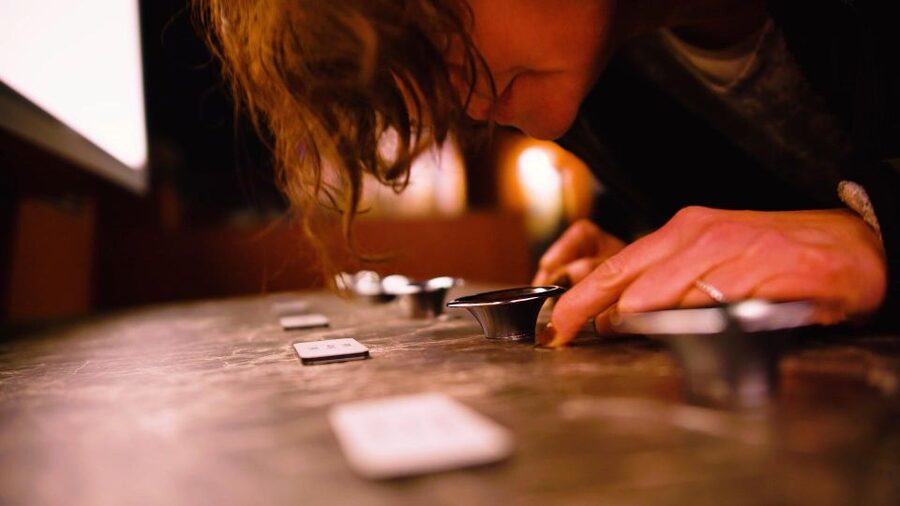
The big reason people leave happy is the tasting element. The ticket includes chocolate samples, and the museum builds tastings around what you just learned in the exhibits.
One of the most specific tasting moments is learning how to make chocolate sweets and tasting both praliné and ganache chocolate. That matters because praliné and ganache are not the same type of chocolate experience. Praliné leans toward nut-and-sugar complexity, while ganache brings a smoother, creamier flavor profile. Trying them back-to-back helps you understand why people argue about chocolate the way wine people argue about grapes.
The museum also guides you through taste differences by origin. You get to experience examples like:
- milky smoothness from Costa Rican chocolate
- melt-in-your-mouth fruitiness from Peruvian chocolate
- sweet aromas from cocoa beans from Vanuatu
- and more regional comparisons during the visit
This is where the visit turns from fun to genuinely useful. You start to notice that chocolate is not one flavor. It is a range influenced by where cacao is grown and how it is processed.
A note on guilt-free indulging: the exhibits mention health benefits of chocolate. I do not treat that as an excuse to overdo it, but I do like that the museum addresses the topic instead of pretending chocolate is only for pleasure. For many visitors, that makes the whole experience feel more grounded.
And yes, many visitors talk about hot chocolate at the end. The data you have here does not clearly say it is included in the base ticket, and at least one review notes an additional 3 euros per cup. If hot chocolate is your must-have, keep a few coins or a card ready.
You can also read our reviews of more museum experiences in Paris

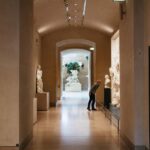



Where the museum shines for families: treasure hunts and kids’ activities
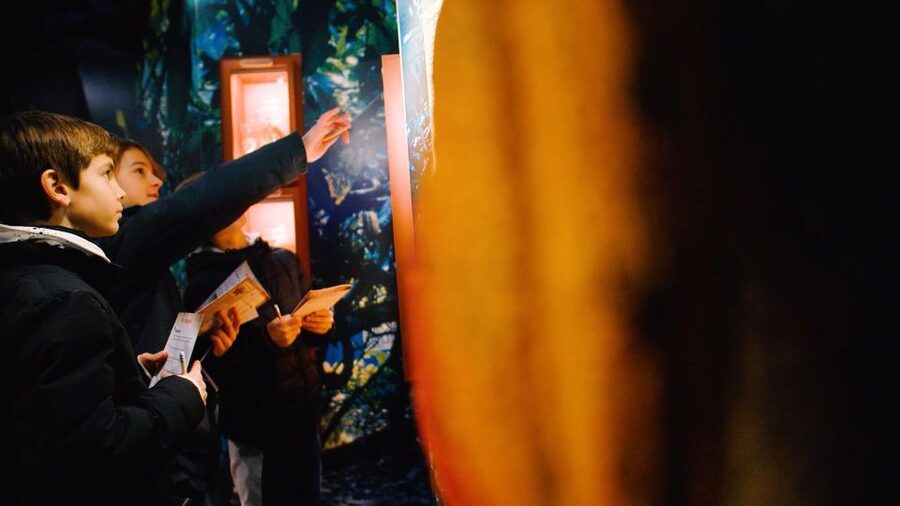
This museum is unusually family-friendly for a Paris ticket. You get children’s activities, including a treasure hunt designed to keep young visitors engaged. That is a big deal because it stops the classic problem of bringing kids to a museum and watching them lose interest by minute 20.
You also get kid-friendly materials like booklets, and the exhibits and tastings are set up so that adults can enjoy the content too. Multiple reviews describe it as a hit for kids from early elementary age through teens, which usually means the museum hits the sweet spot between simple enough to follow and detailed enough to matter.
The treasure hunt approach works because kids do not just walk through displays. They look for answers and collect stickers or clues. That turns the visit into a game, and the museum becomes something they participate in rather than something they endure.
If you are traveling with a stroller, the museum is wheelchair accessible, and the overall layout is designed for accessibility. Still, because you will be moving through exhibit spaces, you should expect some areas where you slow down and squeeze around tasting lines.
Price and value: what $21 buys you in chocolate time
At about $21 per person, this ticket sits in the “reasonable for a specialty experience” category. The value comes from the mix of elements included, not just the access.
Here is what is included in the experience package you’re paying for:
- entrance to the museum
- chocolate samples
- the virtual demonstration with 2 Meilleurs Ouvriers de France
- tastings connected to how chocolate is made (including praliné and ganache)
- a treasure hunt for kids
That combination is why so many people are happy with the price. A normal museum ticket might get you displays, but here the tastings keep the learning sticky. Also, you avoid the feeling that you paid for only one thing. You get history, explanation, and multiple opportunities to try chocolate.
One subtle value point: because it is self-guided, you can stretch or shorten the visit based on your energy. Reviews also suggest the visit can take around a few hours, with some people spending about 3 hours. If you plan your Paris day with buffer time, this ticket feels easier to justify.
If you are a serious chocolate lover, the samples may be the main event. If you are more of a history lover, you still get a story that goes beyond marketing claims and includes the Columbus angle, the transition to Europe, and the modern process changes.
How long to plan and how to fit it into a Paris day
The duration is listed as 1 day, which is standard for ticketing, but the real practical question is how long it takes to enjoy fully. I’d plan on a few hours. That gives you time to read enough panels, fit in the demonstration, and actually enjoy the tastings rather than rushing through them.
Because the last admission is at 4:30 PM, I like this museum as an afternoon anchor if you are doing morning sightseeing. It also works well as a mid-day break if you are pairing it with other central attractions, since the museum is in a busy, easy-to-reach part of town.
If you are trying to build a day around food, pair it with a Paris neighborhood walk afterward. You’ll already be thinking about ingredients, origins, and process, so your next stop will feel more connected rather than random.
Museum shop and souvenirs: practical chocolate adds and gifts
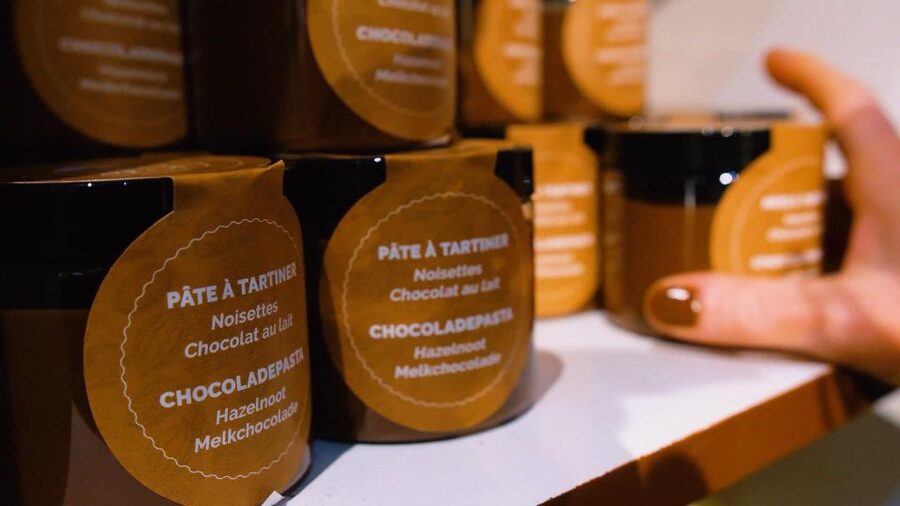
After the exhibits, the museum shop is where you turn learning into a takeaway. You can browse books, souvenirs, and chocolate-related products.
I like the shop for two reasons:
- It gives you a way to extend the experience without committing to another full tour.
- It’s a good place to pick up a small gift tied to what you learned, rather than a generic Paris trinket.
If you have room in your day for a snack mission, this is the time. And if you are bringing home chocolate, remember that chocolate can soften with heat, so pack accordingly.
Should you book the Chocolate Museum Paris ticket?
Book it if you want a Paris activity that is friendly for mixed ages, built around tastings, and includes a real educational story. You should especially consider it if you care about cacao origins, enjoy learning about how chocolate changes over time, or just want a break from the long museum lines where you never get to taste anything.
Skip or adjust expectations if you are looking for a huge, multi-building museum day, because this is more compact and built for a focused couple of hours. Also, if you strongly want hot chocolate included as a guarantee, double-check what is included in the base experience when you arrive, since at least one review notes an extra charge per cup.
If you fit those conditions, this is an easy recommendation. You leave with a better grasp of chocolate history and, more importantly, you leave having actually tasted the story.
FAQ
How much is the entrance ticket to the Chocolate Museum in Paris?
The ticket price is listed at $21 per person.
How long is the visit?
The activity is valid for 1 day, and you can plan your time within the museum on that day.
Where is the Chocolate Museum (Le Musee Gourmand du Chocolat)?
The meeting point is 28 Boulevard de Bonne Nouvelle, 75010 Paris.
Is the tour self-guided?
Yes, it is a self-guided visit, with an audioguide option available at the welcome desk.
Is there an audioguide, and what does it cost?
An audioguide is available at the welcome desk for 3 euros per person, and it is offered in French, English, German, Dutch, Spanish, Italian, and Portuguese.
What time is the last admission?
The last admission to the museum is at 4:30 PM.
Are large bags or luggage allowed?
No. Luggage or large bags are not allowed.
More Museum Experiences in Paris


More Tickets in Paris


More Tour Reviews in Paris

Not for you? Here's more nearby things to do in Paris we have reviewed











Paris City Tours, side by side.
 ★ 4.6Louvre Museum Timed-Entrance TicketTickets from $2671,977 guest reviews
 ★ 4.6Disneyland® Paris 1-Day TicketTickets from $6149,412 guest reviews
 ★ 4.6Versailles Palace and Gardens Full Access TicketTickets from $1741,579 guest reviews
 ★ 4.6Arc de Triomphe Rooftop TicketsTickets from $1834,264 guest reviews
 ★ 4.7Orsay Museum Entry TicketTickets from $1525,647 guest reviews
 ★ 4.4Evening River Cruise with MusicTickets from $2722,721 guest reviews
 ★ 4.4Eiffel Tower Entry Ticket with Optional Summit AccessTickets from $2920,035 guest reviews
 ★ 4.3Eiffel Tower Summit or Second Floor AccessTickets from $5917,248 guest reviews
This tour also belongs to