
Review · PARIS CITY TOURS
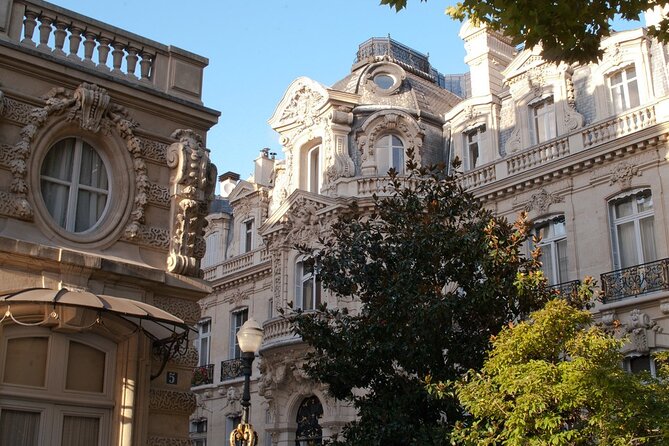
Architectural Bourgeois Paris 19th Century
19th-century Paris feels close on this walk. You’re guided by François, a Paris historian who makes the Belle Epoque streets feel human, not just decorative. The route mixes architecture, art-like details, and even some pocket nature, all tied to how the city was changing in the 19th century.
I love two things right away. First, the stop list is built for photo opportunities, from Parc Monceau’s playful features to the big station-era story near Gare Saint-Lazare. Second, the pace stays comfortable, and François can explain in French and English without rushing you.
One thing to consider: you’re on your feet for about 2 hours, and you’ll want good walking shoes, since the experience is paced around timed stops and indoor entry moments.
Key highlights you’ll actually feel
- A small group format (up to 10 people) that makes it easier to hear the guide at every turn
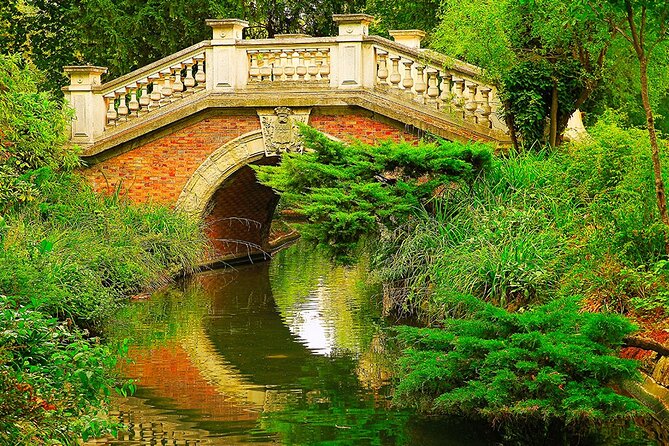
- Parc Monceau details like an ancient colonnade, a bridge, and a pyramid, plus famous nearby hôtels particuliers
- Stop at the Statue d’Haussmann, then learn how Haussmannian blocks and wide boulevards reshape daily life
- Enter Saint-Augustin Church, built in the era around 1860, with optional tie-ins for Marcel Proust
- Gare Saint-Lazare storytelling that connects rail wealth to the neighborhood, including Le Roi de la Bière nearby
- A classic department-store finish at Galerie Lafayette during opening hours
What this Architectural Bourgeois Paris walk is really about
This tour is not just a lineup of pretty spots. It’s a themed walk through how bourgeois Paris lived during the 19th century, with the Belle Epoque mood showing up in buildings, parks, and public spaces. If you like your Paris with explanations you can remember, François is a strong match.
Value-wise, I think the price makes sense for what you get, especially if you care about context. At $68.65 per person, you’re paying for a specialist guide in 19th-century Paris plus a route that includes major architectural moments and a final interior stop at Galerie Lafayette (during opening hours). It’s also timed right, so you get to experience multiple eras and styles in one compact stretch instead of jumping around the city alone.
Logistically, you should feel good about the setup. The tour starts at Monceau (75017) at 10:30 am and ends at Galerie Lafayette, 40 Bd Haussmann (75009). You’ll use a mobile ticket, it’s near public transportation, and the group is capped at 10 people. The only “watch-out” is that the physical demand is real enough for moderate fitness, since this is a true walking tour.
You can also read our reviews of more tours and experiences in Paris.

Parc Monceau: colonnade, pyramid, and the bourgeois idea of a garden
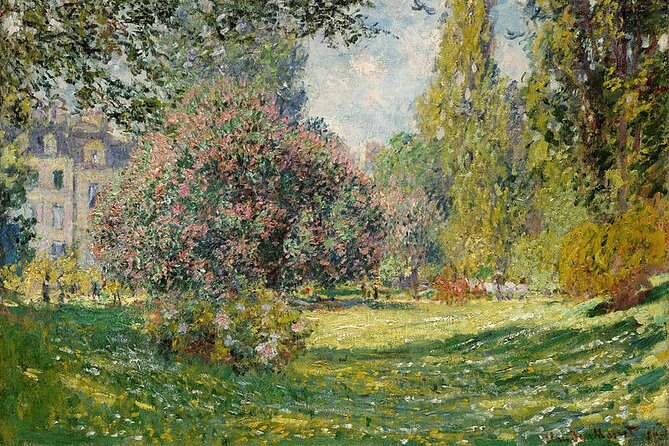
Stop 1 is Parc Monceau, and it’s a smart opener. The park is not just “green.” It’s staged, decorative, and designed to feel like a collection of little worlds. As you walk through, you’ll see features like an ancient colonnade, a bridge, a pyramid, and plenty of “look again” tree variety.
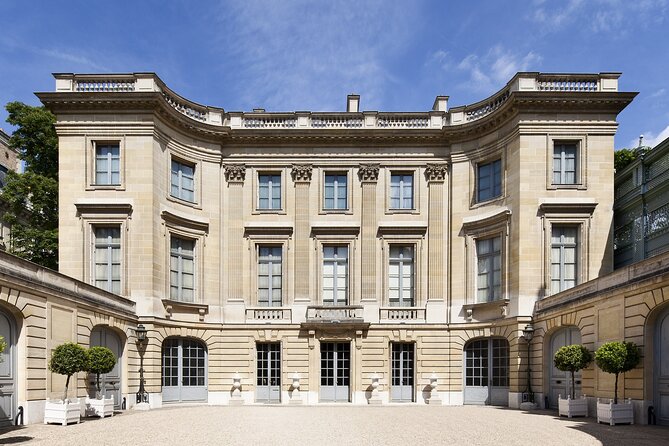
Then François widens the lens, so you’re not only admiring the park. You’ll also pass landmarks that connect the park to wealthy private life, including Hotel Menier, the Pagoda of Mr. Loo, and an hôtel particulier of Camondo. Those names matter because they point to how 19th-century affluent Parisians used architecture as identity, not just shelter.
If you’re planning your photos, this is where the park delivers. You’ll have natural angles for shots that feel like you stepped into a movie set, especially around the mixed architectural elements. I’d also use this time to slow down a bit, because it sets the tone for the rest of the tour. The more you pay attention here, the more the later Haussmann blocks will make sense.
The only consideration is simple: parks mean weather matters. If it’s hot or rainy, you’ll still do the full guided stroll through Monceau, so dress accordingly and keep an eye on where you’ll stand for photo moments.
Statue d’Haussmann and the city redesign you can feel
Stop 2 is the Statue d’Haussmann. This is one of those moments where standing still is part of the lesson. François uses the statue as a doorway into how Baron Haussmann changed the view of Paris forever.
From there, the walk shifts into Haussmannian Paris. You’ll pass through the heart of it, with typical apartment blocks and wide boulevards. What you’re learning, in practical terms, is how urban design affects everything you do: where sunlight falls, how streets handle movement, and how “grand” architecture becomes part of everyday routine.
This part of the route also helps your eyes adjust. Paris can feel complicated if you’re only scanning facades. Here, you start to recognize patterns: the repetition of building styles, the rhythm of streets, and the way boulevards open sightlines. Once you see that, the city feels easier to navigate on your own afterward.
If you’re sensitive to wind or sun, wide boulevards can be either your best friend or your biggest annoyance. Bring sunscreen in summer and a light layer in cooler months, because there’s less cover when you’re out in open street space.
Saint-Augustin Church inside: architecture and the Proust connection
Stop 3 is Saint-Augustin Church, and the tour goes inside. The church is tied to the period of the tour, built around 1860, which gives you a sense of how religious architecture fit into the larger 19th-century transformation of Paris.
This stop works well if you like contrast. You start in a park with eclectic shapes, then move into Haussmann streets, and now you step into a building shaped by the same century’s design ambitions. François’s historian framing helps you connect the styling to the moment rather than treating it like a standalone landmark.
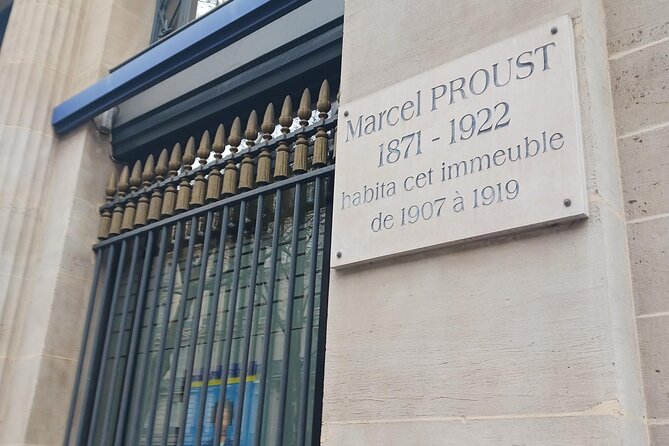
There’s also an optional literary detour. By request, you can detour to pass the location connected to writer Marcel Proust, where he lived and wrote his masterpiece A la Recherche du Temps Perdu.
That option is a nice perk, especially if you’re the type who likes seeing how 19th-century Paris shows up in culture, not only in stone and street plans. Even if you’re not a Proust specialist, it adds a human thread that makes the architecture feel less like a museum.
One practical tip: if you’re taking photos inside, be mindful that church entry spaces can have their own rules and varying crowd levels. Give yourself a moment to settle so you can listen first, then shoot after.
Gare Saint-Lazare backside: rail wealth, entrepreneurs, and Le Roi de la Bière
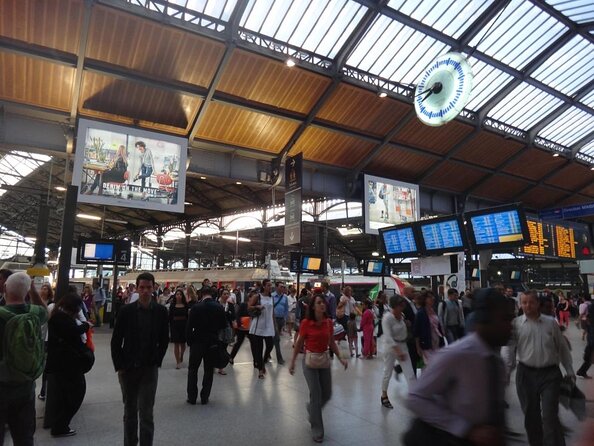
Stop 4 heads to Gare Saint-Lazare, specifically the back side area. That choice matters. It shifts you from the polished public face of Paris to the industrial reality that powered the city’s growth.
François ties this station to a key 19th-century theme: industrialization made many entrepreneurs rich, and many of them lived in the nearby neighborhoods. So you’re not just viewing rail infrastructure. You’re understanding why this part of Paris looked the way it did.
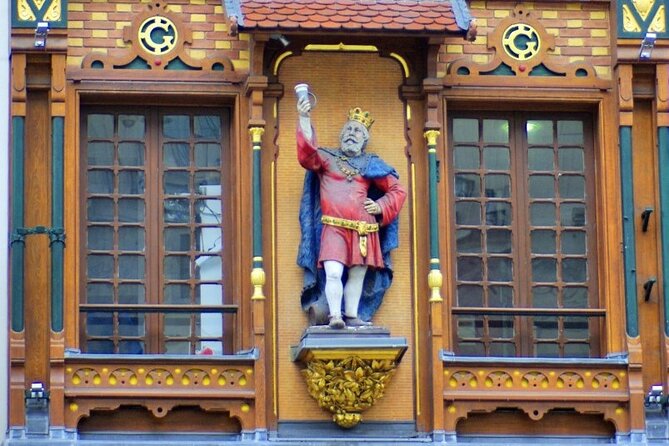
As you approach and pass, you’ll learn the railroad story of the period. Then there’s a visual oddity that’s worth planning for: in front of the station, you’ll see a remarkable house connected to Le Roi de la Bière, including a McDonald’s restaurant.
I actually like that inclusion because it makes the past feel less sealed off. You’re seeing a modern brand inside a space that sits amid layers of 19th-century development. It’s a reminder that Paris doesn’t restart every century, it adds to itself.
If you care about photos, this stop gives you a different palette than the park and the churches. Expect more hard lines, more industrial texture, and a less “postcard” mood. If that’s your thing, you’ll appreciate the variety.


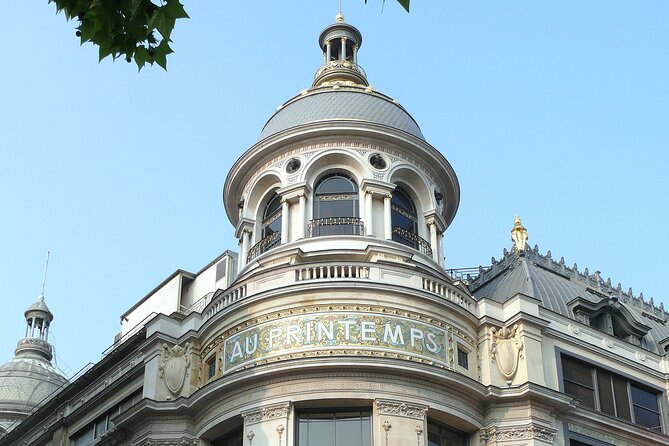
Printemps and the Galerie Lafayette climax: a grand store with 19th-century roots
Stop 5 is where the tour turns into a classic Paris spectacle: the Grand Magasins, the great department stores. The walk passes Printemps, and François invites you inside Galerie Lafayette.
This ending is smart. It closes the loop from the bourgeois theme to a physical place where status, consumption, and design all intersected. In the 19th century, these department stores became a new kind of public stage, and ending your tour here makes the city’s bourgeois story feel tangible instead of abstract.
Timing matters here. The tour notes that Galerie Lafayette is included during opening hours, so if you’re choosing a date, pick one that matches the store’s schedule. Once you’re inside, take a few minutes to just look around before focusing on shopping. Even if you don’t buy anything, the interior experience is part of the tour value.
Also, since the stop is near the end, it’s a good moment to check in with your own plan. If you’re continuing your day on foot or by metro, you’ll finish right at Bd Haussmann, which is a convenient launching point.
Price and logistics: what $68.65 buys you in real life
At $68.65 per person, you’re paying for three things that matter: a specialist historian guide, a tight route that covers several 19th-century touchpoints, and entry inside a major department store at the end.
I like that the group is small, up to 10 people, because you’re not fighting for space while trying to hear. François is also comfortable speaking in French and English, and that bilingual flexibility makes a big difference if you want explanations without feeling like you’re missing half the story.
The tour duration is about 2 hours, which is a sweet spot in Paris. It’s long enough to have real context and multiple stops, but short enough that it won’t swallow your whole day. And because you start at 10:30 am, you can still do other plans later, like museums or a slower neighborhood wander.
One more practical benefit: since it’s a walking tour with mobile ticketing and a start and end point tied to well-known addresses, you won’t spend energy figuring out where to be next. Just make sure your phone has enough battery for the mobile ticket, and plan to arrive a touch early at the Monceau meeting area.
As for comfort, the tour says moderate physical fitness is recommended. That usually means you should be fine if you can handle a couple of kilometers at a steady pace, with short stops for photos and explanations.
Who should book this 19th-century Paris architecture tour
You’ll probably love this if you want Paris that’s about design choices and social life, not only famous sights. The route is built around how bourgeois culture shaped places like parks, churches, rail neighborhoods, and grand stores. It’s ideal if you like architecture, “why this street looks like this” questions, and photo stops you can actually use later.
It also works well if you like guided pacing. François keeps the walking pace comfortable, and with a small group, the explanations land better.
This might not be your best fit if you want a purely passive, minimal-walking experience, or if you need lots of free time at each stop. The tour is structured: you’re moving through a set number of moments, including an indoor church visit and the final Galerie Lafayette stop.
Should you book Architectural Bourgeois Paris 19th Century?
If you’re the kind of person who enjoys seeing how a city got built, this is a strong choice. The combination of Parc Monceau details, a Haussmann focus, an inside church stop, and a finale at Galerie Lafayette keeps the experience varied while staying on-theme. Plus, the guide matters. François brings the stories with friendly energy and clear bilingual communication, and he keeps things moving at a comfortable pace.
I’d especially book it if:
- You want 19th-century Paris architecture without having to research everything alone
- You want photo-friendly stops that feel connected to a single narrative
- You prefer a small group experience
I would hesitate if:
- You have trouble walking for about 2 hours
- You need lots of unstructured time to wander on your own
If you go, bring comfortable shoes, plan around indoor entry moments, and consider carrying a water bottle since coffee and tea aren’t included. If you want a smoother day, booking in advance is smart, and you can cancel for free up to 24 hours before the start if your plans change.
FAQ
How long is the Architectural Bourgeois Paris 19th Century tour?
It runs for about 2 hours.
What time does the tour start, and where does it meet?
The start time is 10:30 am. The meeting point is in Monceau, 75017 Paris.
Where does the tour end?
It ends at 40 Bd Haussmann, 75009 Paris, at Galerie Lafayette.
What is included in the price?
Galerie Lafayette is included during opening hours. The tour also builds in admission ticket time for key stops as part of the itinerary.
Do I need a paper ticket?
No. You’ll use a mobile ticket.
How many people are in the group?
The tour has a maximum group size of 10 people.
Is there free cancellation?
Yes, you can cancel for a full refund up to 24 hours before the experience starts.
More Tour Reviews in Paris
Not for you? Here's more nearby things to do in Paris we have reviewed








Paris City Tours, side by side.
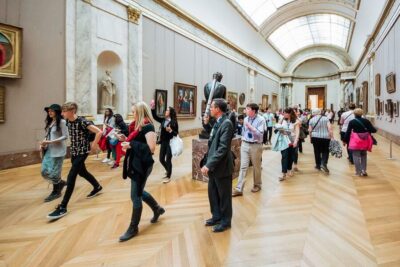 ★ 4.6Louvre Museum Timed-Entrance TicketTickets from $2671,977 guest reviews
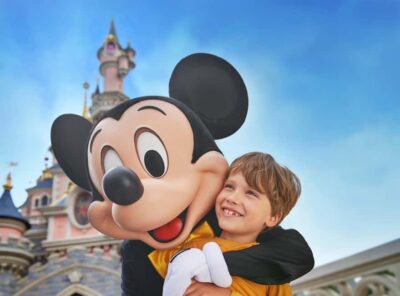 ★ 4.6Disneyland® Paris 1-Day TicketTickets from $6149,412 guest reviews
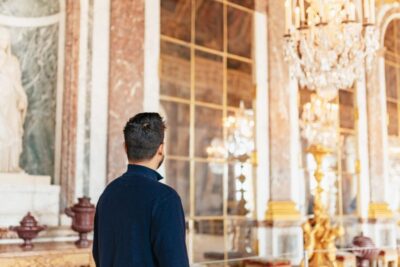 ★ 4.6Versailles Palace and Gardens Full Access TicketTickets from $1741,579 guest reviews
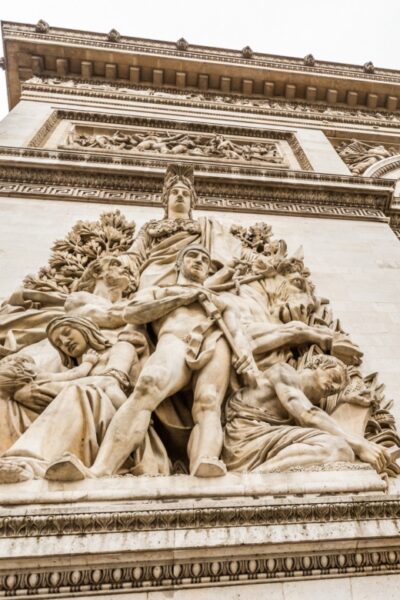 ★ 4.6Arc de Triomphe Rooftop TicketsTickets from $1834,264 guest reviews
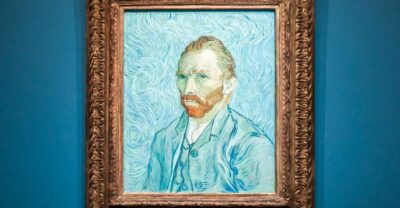 ★ 4.7Orsay Museum Entry TicketTickets from $1525,647 guest reviews
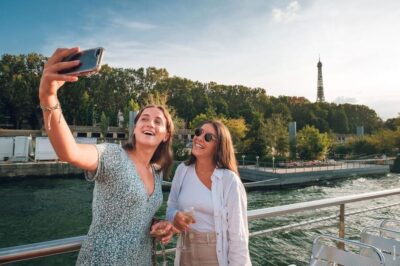 ★ 4.4Evening River Cruise with MusicTickets from $2722,721 guest reviews
 ★ 4.4Eiffel Tower Entry Ticket with Optional Summit AccessTickets from $2920,035 guest reviews
 ★ 4.3Eiffel Tower Summit or Second Floor AccessTickets from $5917,248 guest reviews