
Review · GIVERNY & MONET DAY TRIPS
From Paris: Giverny and Monet’s Home Day Trip
Monet’s gardens make Paris feel far away. This Giverny and Monet’s Home day trip trades museums for a real-life walk through the scenes that made his paintings so famous. I love that it includes Monet’s house and gardens tickets plus smooth transportation, and I also like the art-focused storytelling your English driver guide shares on the ride. The main consideration is simple: it’s an afternoon outing, so expect real crowd energy and photo lineups.
You get about 4.5 hours total, rain or shine, which is ideal if you want one memorable Normandy stop without turning the whole day into logistics. You are not getting a guided tour inside the house and gardens, but the prepaid entry and the on-the-road context make it easier to appreciate what you’re seeing.
Quick Takeaways for Your Giverny Afternoon
- Deluxe minibus ride with an English driver guide to and from Paris, door-side meeting point on the left bank
- Prepaid tickets for Monet’s house and the gardens, so you’re not hunting entry times on arrival
- Lily ponds, weeping willows, and the Japanese bridge that sit at the heart of his most iconic views
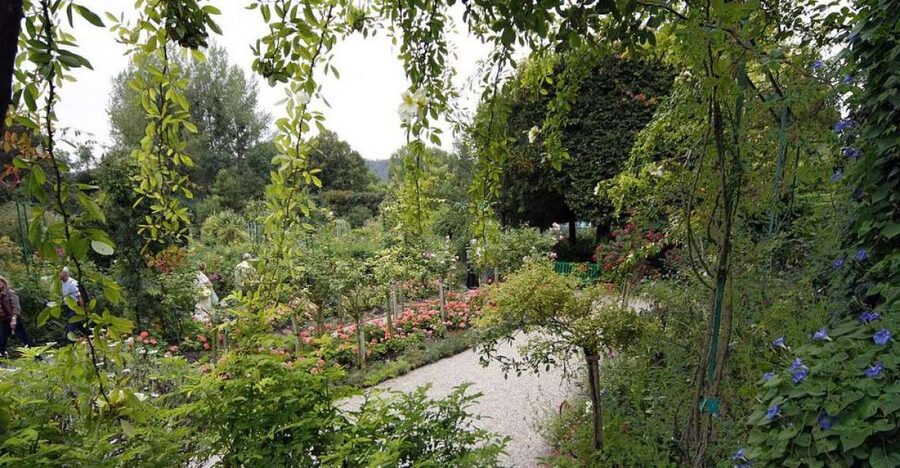
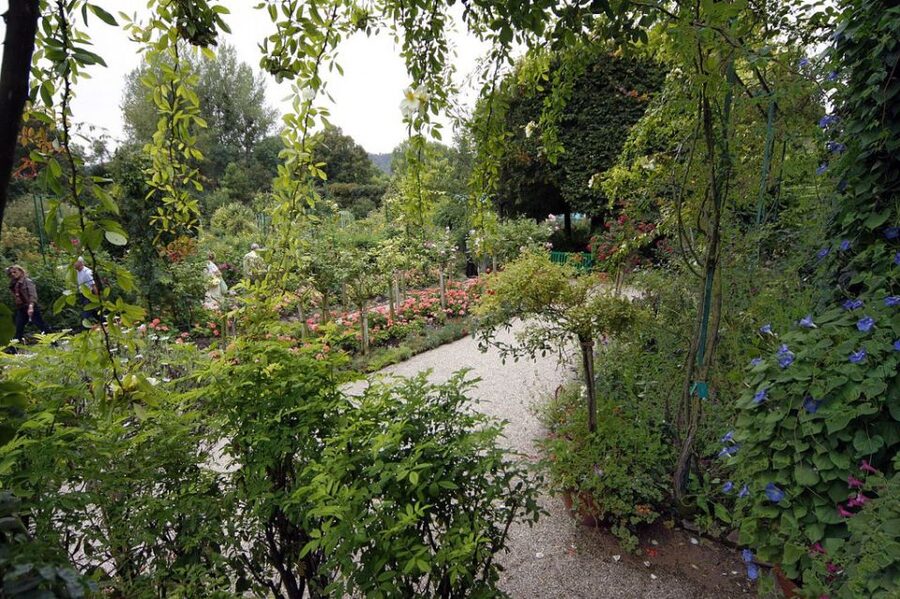
- Clos Normand archways with climbing plants that shift color from spring through autumn
- Japanese engravings and the Nympheas shop stop give you both art context and an easy souvenir plan
- Afternoon timing can mean longer queues, so your best bet is patience and smart photo timing
Why This Giverny Trip Feels Worth It
A Giverny day trip from Paris works best when it does two things well. First, it gets you out of the city fast. Second, it gives you a lens for understanding what you’re seeing once you arrive.
This half-day format hits both. You’re guided to the place where Monet didn’t just paint scenery, he built a world. The home and water garden are not a single stop, they are a sequence of views that were designed to change as you walk. That means the experience rewards slow looking. Even if you only have a few hours, the layout helps you see why the paintings look the way they do.
I also like that you’re not stuck figuring out transport. The deluxe minibus handles the drive from Paris to Normandy, and the driver guide keeps things moving with English commentary before you’re dropped at the entrance.
The one drawback to plan around is crowd flow. Monet’s gardens are popular, and afternoon timing usually means more people in the same places at the same moments, especially near the lily ponds and the classic viewpoints.
More Paris tours and experiences for the shortlist



From 41 Avenue De La Bourdonnais to Normandy: The Drive Plan
Your meeting point is 41 Avenue De La Bourdonnais, 75007 Paris. If you’re using transit, the nearest Metro options listed are Ecole Militaire (Line 8), Trocadero (Line 6 or 9), and Pont de l’alma (RER C).
That location matters because it keeps the trip from feeling like a scavenger hunt. If you plan to arrive early, you can settle into the ride rather than sprinting across Paris streets with your ticket in your hand.
The drive itself is part of the value. This is not a silent bus transfer. Your English driver guide shares background about Monet and the art scene that shaped Giverny, and you also get a sense of the Norman countryside along the way. Some guides add extra points of interest like small villages, caves, or thatched-roof houses, so the ride back feels like more than just sitting in traffic.
Because the trip runs rain or shine, you’ll want to bring a light rain layer or umbrella even if the forecast looks decent. You still get the best experience by arriving ready to walk in damp or slippery conditions, especially around garden paths.
Monet’s House: What You’ll Be Looking At Once You Enter
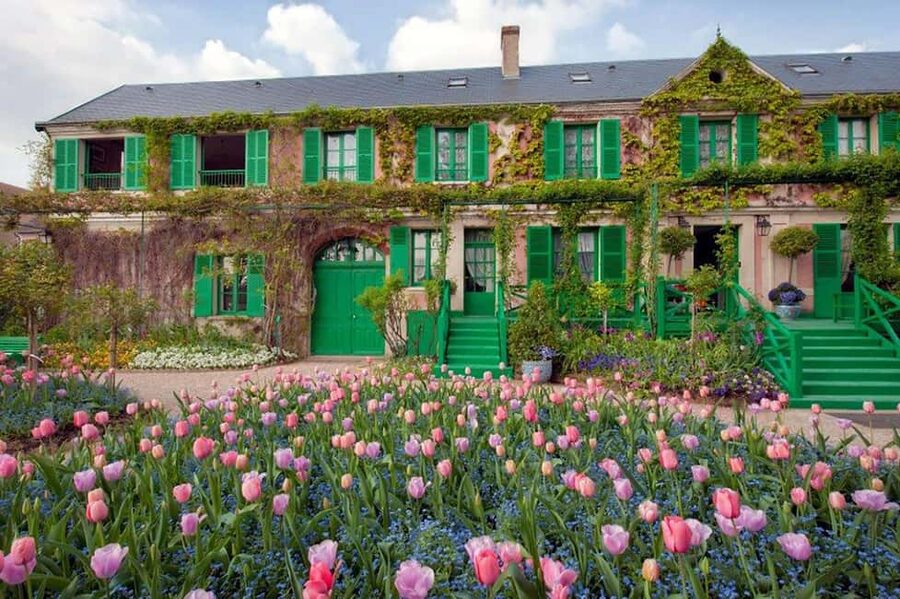
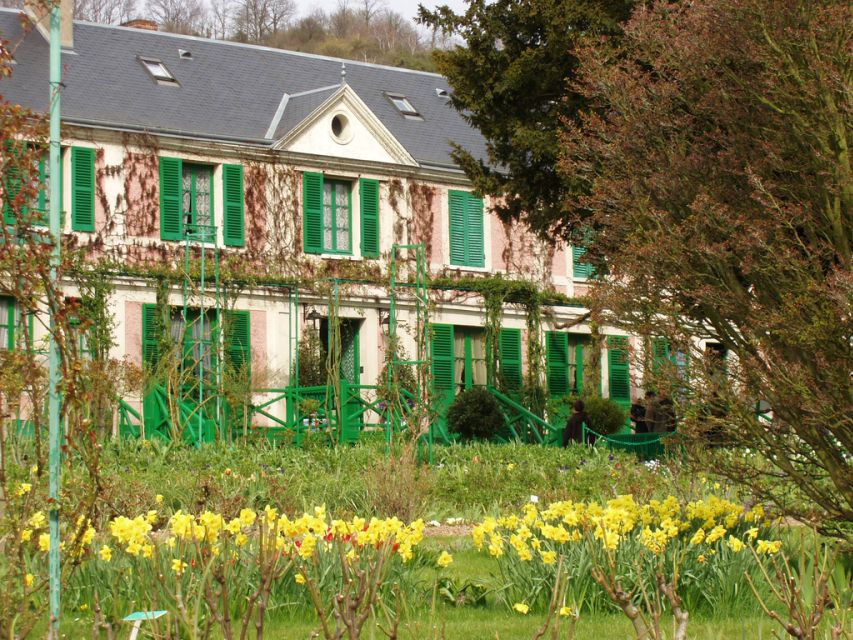
Monet’s house is small compared to what people imagine, which is a good thing. It makes the visit feel intimate and readable. You’re not overwhelmed by scale, you’re surrounded by the items and atmosphere that helped form his life in Giverny.
One detail I appreciate is the emphasis on Japanese influence. The home includes a collection of Japanese engravings, and once you see those displayed in the house, the gardens start to make more sense visually. Monet wasn’t copying Japan, he was absorbing design ideas and reworking them into his own world.
Here’s the practical reality: there is no guided tour included once you arrive. Your driver guide drops you at the entrance, and then you explore on your own through the house and gardens. That can be a benefit because you control your pace. But it also means you should go in with a plan for what you want to prioritize, because the crowds can herd your movement.
The key thing to remember is that the house and gardens are marketed as a single big experience, so most visitors arrive with the same must-see checklist. If you want calmer moments, you’ll need patience and smart timing. A slow walk through the house before everyone clusters near the most photographed spots can help you get a better feel for the space.
The Water Garden and Lily Ponds: Where the Paintings Come From
The heart of this trip is the water garden, including the lily ponds that show up in Monet’s most famous paintings. You don’t just see water and flowers. You see how he used light, perspective, and reflections to create mood.
Expect shaded sections with weeping willows, then move toward the lily ponds where the famous view lines start to appear. The ponds are where the crowd concentrates, because the composition is instantly recognizable. It’s also where you’ll want to manage your photos. If you wait too long, you can get stuck in standing-room lineups.
I like that the gardens are described as shaded and layered. It keeps the visit from feeling one-note. As you shift from one garden section to another, the views change, and the same pond can look different depending on where you stand.
This is also where time management matters most on an afternoon tour. If you have limited energy near the peak crowd points, choose two or three “anchor” viewpoints and build around them. That’s more satisfying than sprinting toward every photo angle.
The Japanese Bridge, Wisteria, and the Flower Season Effect
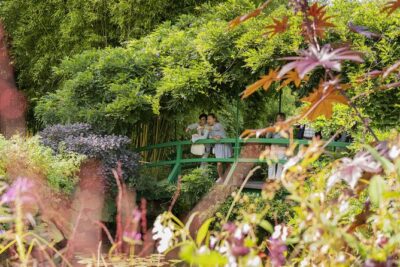
The gardens are famous for the Japanese bridge, and it earns that reputation. It’s not just a decorative detail. It acts like a compositional divider, making the water garden feel structured and intentional from multiple angles.
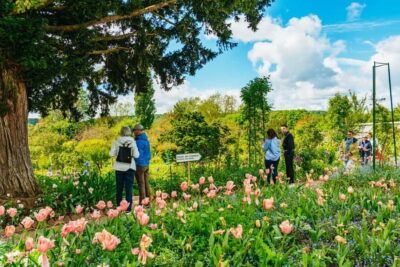
You’ll also see the garden plantings that define the seasonal character of Giverny: wisterias, azaleas, and lots of blooming flowers depending on the time of year. Even if your visit is shorter than you’d like, the garden variety helps you understand why people say the paintings feel alive. Monet’s look wasn’t static. It was a changing view.
One of the most useful details for planning is this: the Clos Normand areas are described as offering a palette from spring to autumn. That tells you something important. If you care about color, timing within the year can change what you notice most. Spring and early summer tend to feel like a full visual soundtrack, while later seasons can highlight different plant textures and color rhythms.
Also, go in knowing that the gardens are designed for walking. It’s not a sit-and-watch experience. Bring comfortable shoes, and plan to stop often. If you rush, the place loses a lot of its magic.






Clos Normand Archways: The Color Palette Between the Flowers
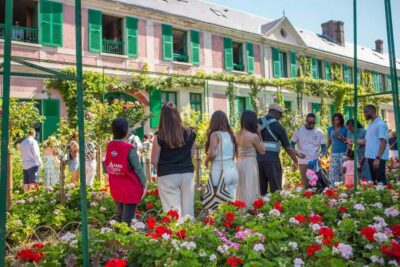
Clos Normand is the section people often describe after the pond views, and it’s a great counterpoint. Instead of water reflections, you get architecture-like plant structures: archways where climbing plants weave around vividly colored shrubs.
This section matters because it shows another side of Monet’s garden thinking. The lily ponds are about reflections and atmosphere. Clos Normand is about framing and structure, the kind of visual control that makes a garden feel like a designed painting rather than just a pretty plot of greenery.
The descriptions also emphasize that this area offers the perfect palette from spring through autumn. That means you’re likely to find something colorful even if you’re visiting off peak bloom weeks. It won’t always be the exact same flower show, but the composition stays rewarding.
If you’re photographing, expect the archway areas to be busy too. Crowds form wherever there is a strong, clear viewpoint. A helpful strategy is to photograph from angles where you’re not competing for the exact center view. Try side angles, lower perspectives, or frame through foliage. You’ll still get the Monet feel without getting stuck in the loudest photo queue.
Nympheas Studio Shop and the Giverny Village Feel
Your visit includes a stop at the Nympheas studio, which is home to the Foundation’s shop. This is practical, because you can pick up souvenirs without building in a separate detour. If you’re buying postcards, prints, or small Monet-themed items, this is the moment to do it.
It’s also a good time to reset. After a heavy photo stretch around the ponds, a shop pause can help you recharge before you continue exploring.
Outside the gardens, Giverny has a village vibe tied to art history. The village attracted many American artists between 1883 and 1920, and it became an important artist colony. Even if you only catch glimpses from paths nearby, the cultural undertone helps. It’s not just Monet land, it’s the place where painters found a community and stayed.
Some people wish there were more time for a village wander. If that’s you, keep expectations realistic. This is a half-day outing with the gardens as the main event. You might only get a taste of village life rather than a full explore.
Price and Value: Is 152 Per Person Fair?
At $152 per person, the price can feel steep if you compare it only to the cost of admission. But this trip is more than a ticket. You’re paying for transportation by deluxe minibus, an English driver, and a prepaid ticket for Monet’s house and gardens.
Here’s the value math I’d use. If you were to DIY from Paris, you’d need round-trip transport planning plus ticket management. The hassle factor alone is part of what you’re buying. Also, the ride includes background commentary that helps you interpret what you see once you arrive.
Still, a few realities can affect perceived value. The trip’s duration is 270 minutes total. That’s a tight window once you factor in travel time and queues. And since there is no guided tour inside, you should be comfortable reading the space on your own. If you want someone to guide you through art details inside the house, this format might feel less complete than a fully guided tour.
In short: it’s good value if you want an efficient afternoon escape with the right entry included. It’s less good value if you’re hoping for a lot of structured guidance and extra time to roam.
Crowds, Queues, and Photo Timing: How to Make It Feel Calm
Afternoon visits can be crowded, and Monet’s gardens concentrate people near the most iconic spots. The biggest trick is accepting that you won’t get every view in complete solitude. Instead, focus on getting the views that matter to you and then enjoying the gardens rather than fighting the flow.
If you care about photos, plan this way:
- Pick two or three must-see photo moments, then build a path around them.
- Expect longer queues near the most popular viewpoints, especially around the lily ponds and classic garden angles.
- Be patient. The people moving through create a wave effect, and your best shots often happen between surges.
If you’re traveling with someone who wants different photo styles, set a simple agreement. One person can manage the classic views, and the other can roam for side angles. That keeps the trip from becoming a negotiation every few minutes.
Also, be polite and flexible. When everyone is trying for the same shot, small camera positioning changes can turn frustration into cooperation fast.
Who This Half-Day Trip Suits Best
This tour fits best if you want:
- A quick Normandy break from Paris, without figuring out trains and timing
- Monet’s house and gardens as the main event, not as a bonus stop
- English commentary during the ride, then independent exploring once you arrive
- A manageable walking experience in a famous garden setting
It may not fit you if you need wheelchair access, since it’s listed as not suitable for wheelchair users.
It also helps if you’re the type who enjoys gardens with a purpose. If you’re more of a social-scene person who hates crowds, you might still enjoy Giverny, but you’ll want to go in with a softer expectation for quiet moments.
The best match tends to be first-time Monet fans, couples, and solo travelers who like beautiful settings and can handle a little crowd choreography.
Should You Book This Giverny and Monet Day Trip?
I’d book it if you want the simplest path to Monet’s most famous landscapes in a half-day format. You get transportation in a comfortable deluxe minibus, you arrive with prepaid entry to the house and gardens, and the driver guide adds context so your walk through the lily ponds and Japanese bridge feels more meaningful than just taking photos.
I’d think twice if you want a fully guided experience inside, or if you know you get stressed by crowds and queues. The gardens are popular, and afternoon timing can push you into shared viewpoints.
If you’re flexible, comfortable walking, and ready to enjoy a real art-and-garden immersion in a short time, this is a strong choice for a Paris getaway.
FAQ
How long is the Giverny and Monet’s Home day trip?
The total duration is 270 minutes, which is about 4.5 hours.
Is there a guided tour inside Monet’s house and gardens?
No. A guided tour is not included. You get the entry ticket, and then you explore on your own after being dropped at the entrance.
What is included in the price?
The price includes transportation by deluxe minibus, the driver, and a prepaid ticket for Monet’s house and gardens.
Where do I meet for the trip in Paris?
Meet at 41 Avenue De La Bourdonnais, 75007 Paris. Nearby Metro options include Ecole Militaire (Line 8), Trocadero (Lines 6 or 9), or Pont de l’alma (RER C).
Does the tour run in bad weather?
Yes. This tour runs rain or shine.
Is the trip suitable for wheelchair users?
No. It is listed as not suitable for wheelchair users.
More 1-Day Tours in Paris



More Tour Reviews in Paris


Not for you? Here's more nearby things to do in Paris we have reviewed












Giverny & Monet Day Trips, side by side.
 ★ 4.3From Paris: Giverny Day Trip with Audio Guide or Live GuideTickets from $932,372 guest reviews
 ★ 4.5From Paris: Giverny, Monet’s House, & Gardens Half-Day TripTickets from $742,174 guest reviews
 ★ 4.0Versailles Palace and Giverny Monet House Visit with LunchTickets from $2421,948 guest reviews
 ★ 4.5Giverny Monet’s Home and Gardens Half Day Tour from ParisTickets from $911,836 guest reviews
 ★ 5.0Giverny Small-Group Half Day Trip with Monet’s Gardens from ParisTickets from $1571,663 guest reviews
 ★ 4.5From Paris: Giverny and Versailles Palace Guided Day TripTickets from $1631,324 guest reviews
 ★ 4.0Giverny and Monet’s House Half Day Trip from Paris Guide or AudioTickets from $1021,319 guest reviews
 ★ 4.5Giverny and Versailles Small Group Day Trip from Paris with LunchTickets from $392755 guest reviews
This tour also belongs to