
Review · GIVERNY & MONET DAY TRIPS
Giverny and Monet’s House Half Day Trip from Paris Guide or Audio
Monet’s world hits fast. In just over five hours, you trade Paris for Giverny and step into the place that made his paintings click into real life. You get round-trip coach convenience plus priority admission to Monet’s home and gardens, which matters when crowds can turn sightseeing into a sprint.
I love the structure: you get a guided garden route (front gardens and orchards, then Clos Normand), plus time to explore the house on your own. The audio option also lets you slow down, stop for photos, and replay the parts you care about most. And if you choose a live guide, names like Philip, Phillipe, Alex, Agnes, Clemence, and Krystle show up in the guide mix from past groups.
One possible drawback: Giverny can be very crowded, and the half-day format means time feels tight if you want a long, unhurried wander. On top of that, some people have reported confusion about end location or a rushed feeling, so you should pay attention to the day-of meeting details.
Key points worth knowing before you go

- Priority admission helps you skip the worst of the line chaos at Monet’s home and gardens.
- Two garden segments (about 45 minutes, then about 25 minutes) keep you moving, which is great, but less ideal if you want hours outside.
- Audio app (10 languages) is an option, but you must have a fully charged phone and your own headphones.
- The Japanese engravings collection inside Monet’s house is one of the most important in the world, based on the tour notes.
- Small group size (max 30) usually helps the pace stay controlled, even when the grounds get packed.
- Souvenir shop + flower seeds give you an easy “bring Monet home” option without needing to carry heavy glassware.
From Paris by coach: how the logistics actually help

This is a half-day trip that’s built for people who want Monet without losing a whole day to train schedules and ticket lines. You depart from 45 Av. de la Bourdonnais in central Paris, then ride about 1 hour 30 minutes through the countryside before you arrive in Giverny. That transit time is long enough to feel like you left the city, but short enough that it still fits cleanly into a day of sightseeing.
The coach is round-trip, and you end back at the starting meeting point. That simple “go and come back to the same place” setup is one of the best parts of the tour, especially if you are trying to plan around museum hours or dinner reservations. One detail I recommend you double-check before you go: there have been reports of drop-off location confusion, so confirm the exact end point in your confirmation materials.
You can also read our reviews of more guided tours in Paris



Entering Fondation Claude Monet: front gardens, water lilies, and the famous bridge
When you arrive, your visit starts in the front gardens and orchards area with either an audio guide or a licensed guide (depending on the option you booked). This portion is about 45 minutes, and it’s where you get the big visual hits: paths lined with plantings (seasonal blooms will vary), plus the pond that made Monet famous.
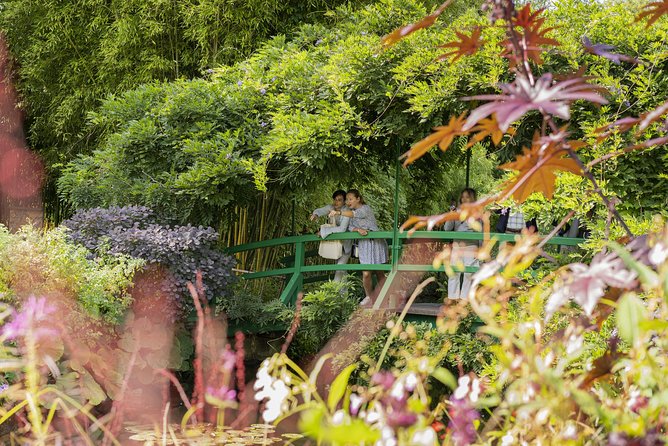
You will see the legendary water lily pond and cross the Japanese bridge, the two photo stops that anchor almost everything Monet painted. Even if you have seen images a hundred times, the scale and angles feel different in person. Past visitors also described the day’s light making a real difference, including occasions after rain when the flowers and lilies looked extra striking for photos.
A helpful way to handle the crowds here is to treat the first garden segment like your “must-see loop.” Do the bridge and pond photos early in the window, then keep walking so you are not stuck taking the same picture from the back of a jam. Some groups get busier in the morning, so if you have the choice of morning vs afternoon, later departures can feel calmer.
Clos Normand and the house timing: fitting a lot into a half-day
After the first garden loop, you move to The Clos Normand (Fondation Claude Monet) for about 25 minutes. This section is about atmosphere and detail. You are looking for the quiet, green feeling created by the plantings, including the weeping willows and bamboo mentioned in the tour description.
Then you head into Monet’s home, where you can explore at your own pace during the house portion. This is a key difference between a live guide only visit and this half-day format: you still get a structured route outside, but inside you get some freedom to linger. That matters because Monet’s home rewards slow looking, especially in rooms that are filled with personal objects and the kind of collected detail you miss when someone rushes you through.
Because the tour is time-boxed, you should arrive with your priorities in mind. If water lilies and the Japanese bridge are your main goal, you will likely feel happiest. If you want long time in every single corner of the house, this might feel short, and more than one person has wished for extra time in the gardens.
Inside Monet’s home and studio: what you should actually watch for

Skipping the lines is included, and that helps you spend more of your limited time looking and less time waiting. In the house, you can explore spaces including Monet’s kitchen and bedrooms, and you will have access to information about his home life as part of the visit experience.
One detail that stands out in the tour notes is the Japanese engravings collection inside Monet’s home, described as one of the most important in the world. If you care about how artists borrow ideas across cultures, this is one of the places you can connect Monet’s garden obsession to his broader influences.
After touring the house, you also get the chance to move into Monet’s studio. The studio is where it starts to feel like you are stepping into the work habits behind the paintings. Your time here is not just scenic, it is interpretive: you get a sense of how the art and the lifestyle fed each other.
Audio guide vs art historian: choosing the right fit for your attention span
You can do this trip with an audio guide or upgrade to travel with an art historian (a licensed guide when that option is selected). The audio version uses a downloadable smartphone app, and it is available in 10 languages: Chinese, English, French, German, Italian, Japanese, Korean, Portuguese, Russian, and Spanish.
If you pick audio, plan for the very practical stuff. The tour notes ask you to make sure your phone is fully charged and your headphones are ready. Headphones are not included for the audio option, so bring your own. If you rely on one device for everything, also consider testing the app before you leave for the tour day.
If you pick a live guide, you get more conversation and the ability to ask questions in real time. Many people highlighted how guides kept groups together and managed the flow of crowds. Names that come up repeatedly from prior groups include Philip, Phillipe, Alex, Clemence, Agnes, and Krystle, and several comments mention that the guide helped people understand what they were seeing, not just where to stand for photos.
More Paris tours and experiences for the shortlist





Crowds, pacing, and priority admission: how to make it feel worth it
Let’s be honest: Giverny is a popular stop. The tour notes warn that queues can happen, especially in high season and often earlier in the day. The good news is that this trip includes priority admission, which usually reduces the worst waiting.
The half-day structure is also a double-edged sword. It keeps things efficient, and that’s why this works for people who only have one free morning or afternoon in Paris. But if you hate being moved along, you might feel pushed.
A few people reported the experience felt rushed, and a few reported crowd levels that were hard to enjoy. One person also mentioned an audio issue stopping partway through, so again, charging your phone and having headphones ready is not “nice to have,” it is basic survival gear here.
My practical take: treat the tour like a smart route through a crowded masterpiece. You are not trying to beat the entire system, you are using the system to get the essentials without losing your day.
Free time, the souvenir shop, and how to spend your last minutes well
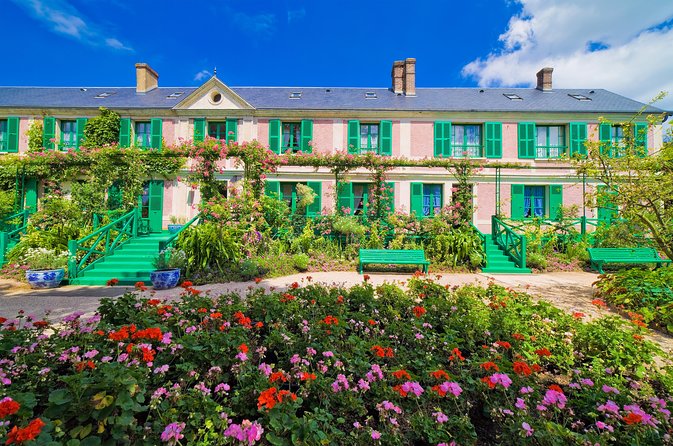
This tour includes free time for you to visit Monet’s House. That freedom is where you can customize the experience, especially if you want to linger on the Japanese print details or slow down for the rooms that feel most personal.
The souvenir shop is a highlight for many people because it’s not just random trinkets. The shop sells reproductions of Monet’s paintings, pottery and table sets in Monet’s favorite blue and yellow colors, and even flower seeds. That last one is the most fun “take home” item if you like plants and want to keep a small link to Giverny in your own space.
Here is how I’d use the final minutes: pick one last garden viewpoint for photos, then go into the shop with a budget mindset. It’s air-conditioned and easy to browse, so it can also act like a reset if the outside crowds start to feel suffocating.
Price and value: what you’re paying for in this 5-hour format
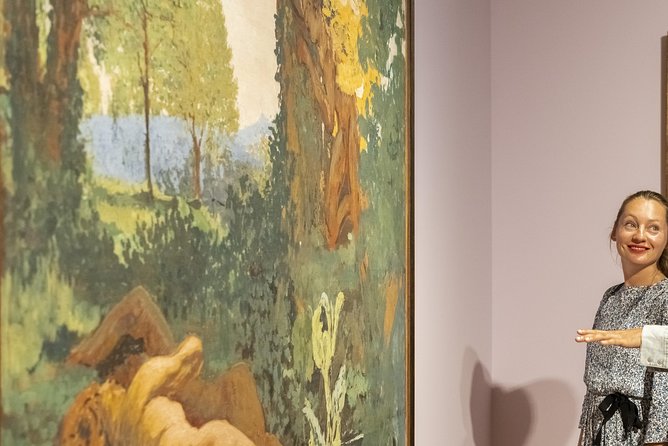
At $102.57 per person for about 5 hours 15 minutes, this is not a cheap day trip. The value comes from what’s bundled: round-trip coach transport from central Paris, entrance tickets, priority admission, and a guided route (audio or live guide) to help you get meaning from the experience instead of just walking paths.
In other words, you’re paying for time saved and stress reduced. You avoid figuring out intercity transit, and you avoid the need to self-plan a route through a time-sensitive, ticketed attraction. Several comments praise the comfort of the bus and the smooth organization, and that kind of logistics comfort is real value when you only have half a day to spare.
Is it worth it for everyone? If Monet is a “someday” idea, you might be happier doing a different kind of day trip. If Monet and gardens are a priority, then paying for priority access plus a guided route is a smart way to keep your time in Giverny from shrinking too much.
When to go: crowds, seasonal flowers, and the light you will chase
The garden experience depends on season, and that’s not a tour-operator excuse, it is just the reality of plants. In late autumn, for example, some people reported smaller crowds and still loved the gardens. Earlier in the year, spring and summer blooms should be more abundant, and the tour notes specifically suggest spring and summer are beautiful.
Timing also affects your stress level. The tour notes recommend visiting later in the day if you prefer fewer crowds. That lines up with what many people felt, including those who said the morning could be busier but the light on the grounds made early visits special.
If you can choose: I’d prioritize a departure time that matches your tolerance for crowds. If you want calmer walking, go later. If you want brighter photo light and do not mind thicker crowds, morning can be a win.
Should you book this Monet half-day trip?
Book it if you want a fast, guided route to the essentials, and you like the idea of priority entry plus a planned garden walk with optional audio or an art historian. This is especially good for first-timers who want Monet’s house and gardens without turning Paris logistics into a second job.
Skip it if you hate crowded sites, need lots of free time inside, or know you want a long, slow garden day that lasts beyond a half-day window. Also consider bringing your own headphones and keeping your phone charged if you choose the audio option, since technical hiccups can really cut into the experience.
FAQ
How long is the trip?
It’s listed at about 5 hours 15 minutes total, including round-trip coach time and time at Monet’s gardens and house.
Where do I meet the group in Paris?
The meeting point is 45 Av. de la Bourdonnais, 75007 Paris, France, and the tour ends back at that same meeting point.
Is Monet’s house and garden admission included?
Yes. Entrance tickets for the gardens and the house are included, and priority admission to Monet’s home and studio is part of the experience.
Is there an option for an audio guide?
Yes. If you choose the audio option, you get a downloadable smartphone app in 10 languages. Headphones are not included.
How long do I spend in the gardens?
You’ll spend about 45 minutes at Fondation Claude Monet (front gardens and orchards) and about 25 minutes at The Clos Normand.
Will I face lines or crowds?
Giverny can get crowded in high season, and queues may be unavoidable. Priority admission helps, but some lines can still happen.
What if I need to cancel?
You can cancel for a full refund if you cancel at least 24 hours before the experience starts.
More Self-Guided Tours in Paris

More Guided Tours in Paris



More Tour Reviews in Paris






Not for you? Here's more nearby things to do in Paris we have reviewed












Giverny & Monet Day Trips, side by side.
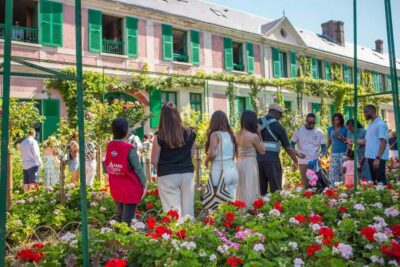 ★ 4.3From Paris: Giverny Day Trip with Audio Guide or Live GuideTickets from $932,372 guest reviews
 ★ 4.5From Paris: Giverny, Monet’s House, & Gardens Half-Day TripTickets from $742,174 guest reviews
 ★ 4.0Versailles Palace and Giverny Monet House Visit with LunchTickets from $2421,948 guest reviews
 ★ 4.5Giverny Monet’s Home and Gardens Half Day Tour from ParisTickets from $911,836 guest reviews
 ★ 5.0Giverny Small-Group Half Day Trip with Monet’s Gardens from ParisTickets from $1571,663 guest reviews
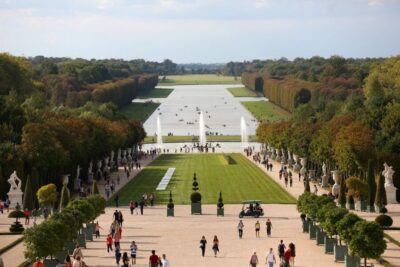 ★ 4.5From Paris: Giverny and Versailles Palace Guided Day TripTickets from $1631,324 guest reviews
 ★ 4.5Giverny and Versailles Small Group Day Trip from Paris with LunchTickets from $392755 guest reviews
 ★ 4.8From Paris: Guided Day Trip to Monet’s Garden in GivernyTickets from $153751 guest reviews
This tour also belongs to