
Review · PARIS CITY TOURS
Running in Paris at dawn & see 10 secrets
Dawn jogging is a smart way to see Paris. I love how this private run gets you near the Eiffel Tower and the Louvre Museum while a personal running guide points out what matters as you move. I also like that it stays practical, with complimentary snacks and bottled water after the workout, not just photos and vague stories. The main catch is simple, it is early and it is meant to feel like real running, so you should be comfortable with a steady pace for about 2 hours.
The route is built for people who want momentum and context at the same time. One guide highlighted in feedback is Ludovic, and you can expect a friendly, information-rich style, including helpful on-the-go tips shared in apps like WhatsApp. If you hate early starts or prefer a slower walk, you may find the schedule a bit intense.
Key things that make this dawn run work

- Eiffel Tower first, then the Louvre Museum as your landmark anchors
- A personal running guide who talks while you jog, so you learn without stopping forever
- Complimentary snacks and bottled water so you finish feeling good, not empty
- A huge central Paris route on foot running next to sights like Notre-Dame de Paris and Place des Vosges
- Private group format means only your group participates
- English offered with a mobile ticket for easier day-of entry
Why a private dawn run in central Paris feels different
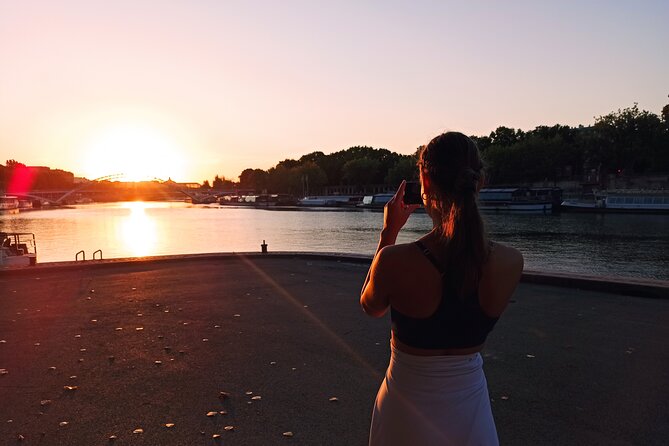
Paris looks best at many hours, but dawn has a special advantage. Streets feel calmer, you get soft light on stone, and you are not fighting the midday crowds. This tour takes that idea and turns it into something active, a 2 hour jogging loop through major sights.
What makes it especially appealing is that you are not doing a stop-and-start checklist. You are moving, which changes how you experience the city. I like this approach for first-timers because it helps you get your bearings fast, while you still get context on what you are seeing.
You are also paying for more than scenery. The format is private, and you have a personal running guide to match your rhythm and explain what to notice. One review specifically praised Ludovic for making the experience fun while sharing Paris tips that helped beyond just the route.
You can also read our reviews of more tours and experiences in Paris.


Meeting at Rue Brisemiche and what to do before you go
The meeting point is 2 Rue Brisemiche, 75004 Paris. You end back at the same spot, so there is no guessing game about transport after you finish.
Because this is an early-morning run, your best move is to show up ready to go. That means comfortable running shoes, a light layer you can tolerate at dawn, and water planning that respects what is provided. Since bottled water and snacks are included, you do not need to carry everything, but you should still come prepared to run.
Also, if you rely on public transit in the city, this starts near public transportation. That matters in Paris, where getting in and out can make or break your morning.
Eiffel Tower and the Louvre Museum, the two big anchors
The day is organized around two standout landmarks, starting with the Eiffel Tower and then running on to the Louvre Museum. Those are not small, background monuments, they are the kind of sights that instantly help you understand where you are in Paris.
Eiffel Tower, viewed while you’re already in motion
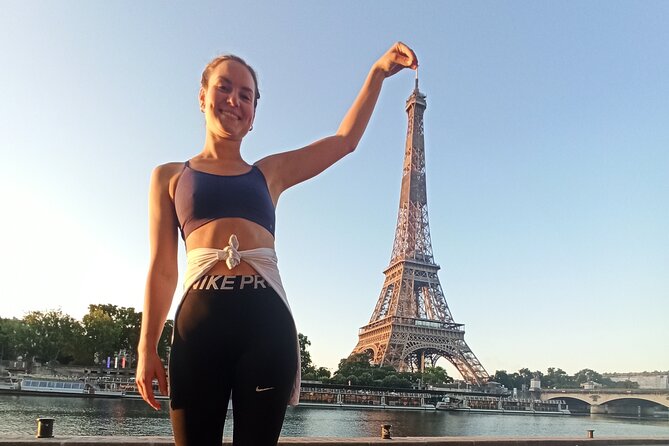
Seeing the Eiffel Tower from the sidewalk is one thing. Seeing it as part of a running route is another. As you jog near the tower, you get a wider sense of the surrounding streets, bridges, and changing perspectives. One review described running right by the Eiffel Tower and even through very narrow streets, which is exactly the kind of detail you might miss if you only view the big postcard angles.
The practical value is that you learn the area in a physical way. Your feet notice turns, slopes, and street geometry, and your brain keeps that map longer than a photo album.
Louvre Museum, approached with context rather than just awe
The Louvre Museum is famous, so you might think you already know it. The difference here is the guide’s commentary while you are moving through the neighborhood. Instead of standing around while the group filters in and out, the route builds a mental connection between the museum district and the rest of central Paris.
A good local guide will also help you understand what you are seeing from the outside. That matters even if you do not go inside, because you still get the feeling of the complex’s scale and importance in the city layout.



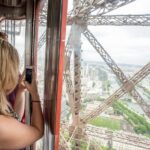

The long list of sights you’ll run past, and how to spot what matters
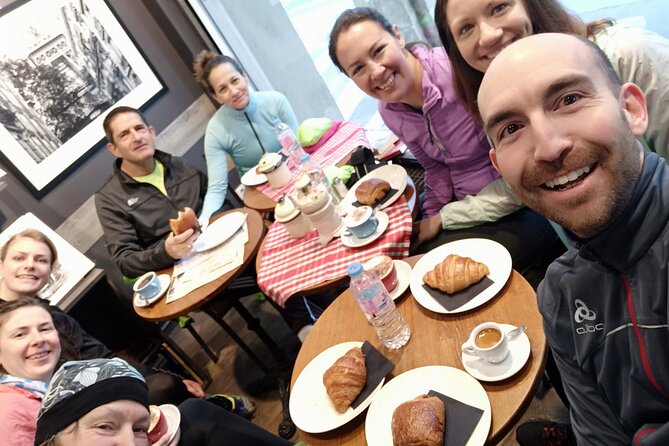
This route is packed with landmarks, and you run next to many of them across central Paris. Here are the main ones you should keep on your radar, plus what each area tends to offer when you see it while jogging.
- Pompidou center and the energy of the area
The Pompidou area has a more industrial, street-level feel compared with some grand avenues. Running past it helps you notice how quickly Paris can shift in style, from modern museum vibe to classic monument views.
- Tuileries Gardens and the idea of Paris as a walking city
Even if you do not spend time inside the gardens, running alongside them gives you a clearer sense of how Paris uses green space as a connector. It is a stretch where the city feels planned, not accidental.
- Place de la Concorde, Grand Palais, and Petit Palais
These monuments belong to the grand-axis Paris storyline. From the pace of a run, you can really feel how that grand layout lines up with major routes and sightlines. It is also a good reminder that Paris is not just charming alleys, it has serious ceremonial space too.
- The Seine and the river as a directional guide
The Seine is not just a view, it is a navigation tool. When you run near it, you start to recognize how the city’s neighborhoods relate to the river. That makes later sightseeing easier, because you understand where major bridges and districts fit.
- Trocadero side views for Eiffel area perspectives
The Trocadero area is a classic counterpart viewpoint, and seeing it while you are already in the Eiffel zone feels efficient. You get multiple angles without spending your whole morning shuffling between viewpoints.
- Museum Branly and the cultural mix
Museum Branly adds variety to the route. It helps break up the day so you are not stuck in only one kind of landmark atmosphere. If you like a trip that keeps changing the scenery every few minutes, this helps.
- Russian Orthodox Church and architectural texture
That church is known for distinctive visual character. Running past places like this teaches you to spot architectural cues quickly, so later you can recognize neighborhoods by style.
- Invalides and the sense of national scale
Invalides signals a different tone in Paris, more official and ceremonial. Seeing it during a workout helps you understand how Paris mixes monumental sites into daily street life.
- National Assembly and the civic pulse
Passing areas tied to government gives you a feel for the city’s modern role. It is a reminder that Paris is not only museums and romance, it is a working capital.
- Musée d’Orsay and the art-meets-architecture mood
The Musée d’Orsay area fits nicely into a jog route because it connects with the Seine corridor. You get the feeling of the neighborhood without needing a long visit right then.
- Notre-Dame de Paris and the weight of the landmark
Notre-Dame de Paris is the kind of sight that makes you slow down mentally, even if you keep moving physically. This tour’s format keeps you moving, but the guide’s commentary helps you process why this place matters in the city’s layout.
- Town Hall and Place des Vosges for the Paris you can feel in your legs
The Town Hall and Place des Vosges are a fitting wrap to a loop through central Paris. Place des Vosges, in particular, feels like a designed square you can mentally bookmark for later. After a run, you are more aware of how streets feed into open spaces.
Because the route includes so many major names, your brain may want to turn everything into a photo checklist. Try something smarter: pick 2 or 3 landmarks to learn properly, then treat the rest as wayfinding. That way you finish the run with both memory and usefulness.
How the running guide makes it more than a sightseeing treadmill
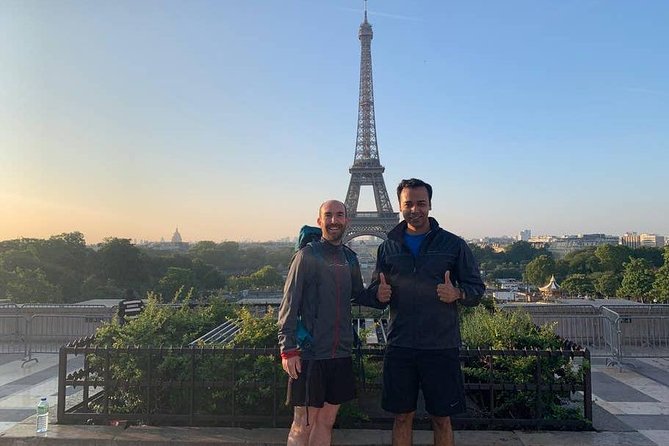
The format depends on the guide, and the feedback here points to a friendly, flexible style. Ludovic is specifically mentioned as a standout, with a tone that is both fun and information-forward.
What I like is the idea of guidance that feels like a conversation. Instead of dumping facts at you, a running guide can point out what you should notice right now: street geometry, architecture details, and why a building sits where it does.
One review also mentioned how the guide shares helpful tips via WhatsApp. That is a real value add. If you are trying to plan your next meal, your next neighborhood walk, or just how to get around with less guesswork, those small shared pointers can save time.
And even when conditions were unusual, like having only one runner that day, the quality reportedly did not drop. That tells me the guide is focused on the experience, not just the group.
Snacks, water, and pacing: a workout with built-in recovery
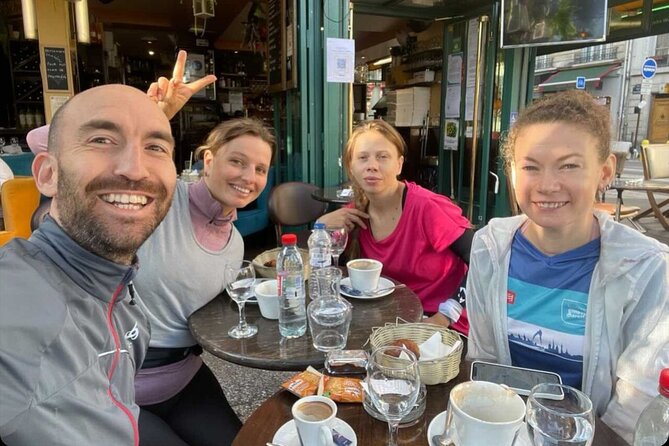
You get complimentary snacks and bottled water. That matters because it shifts the tour from pure exertion to a more balanced morning routine. You can run hard, then recover without immediately hunting for a shop.
As for effort level, one review suggested it is suitable if you are a little fit and comfortable running 10k or more. That does not mean the pace will be the same for everyone, but it is a useful clue. If you want a casual jog with stop for lots of walking, this might not match your goal.
Also, since the tour is about 2 hours, you should plan your day with the right attitude. This is not a quick warm-up. It is the activity, and it will set the tone for how you explore the rest of Paris.
English guidance and a private format that keeps things smooth
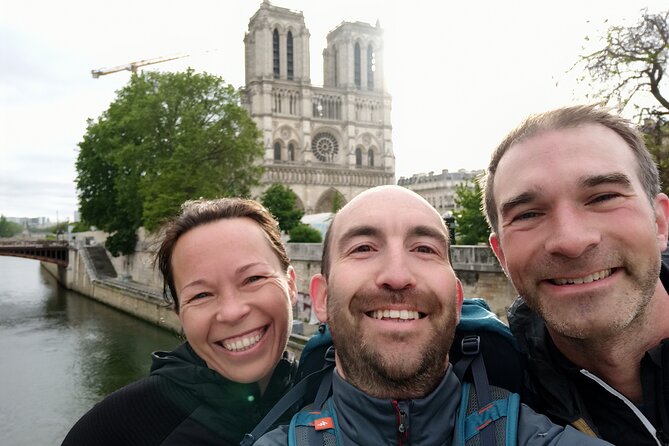
The tour is offered in English. That is a big deal in Paris for two reasons. First, it lowers friction so you can actually listen while running. Second, you get clearer context on landmarks, which helps you remember what you learned.
It is also private, meaning only your group participates. That is valuable if you want a more personal pace, or if your group has different comfort levels.
You should still know what private means in practice. A private run is not a crowd-wrangling situation, so you get fewer distractions. Your guide can focus on your group and keep the experience moving at the right speed.
Is the $84.11 price worth it for a 2 hour private morning run
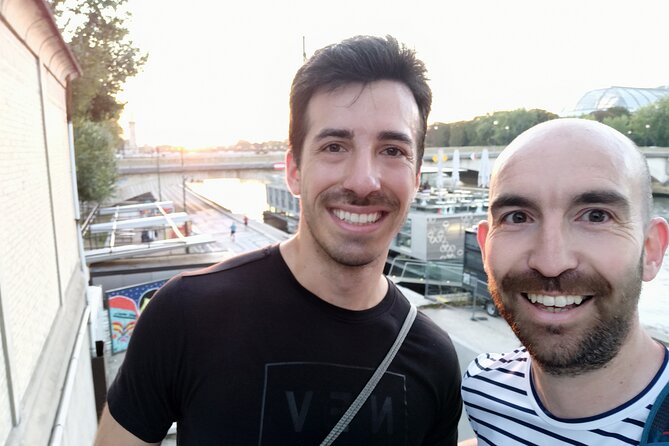
$84.11 per person for about 2 hours is not the cheapest thing on a Paris list. But you are not paying for a bus tour. You are paying for a private running guide, early-morning logistics built around major sights, and included refreshments.
Here is the value math I see. You are getting:
- A guide who provides on-route explanations while you run
- Coverage across central landmarks that are spread out
- Complimentary snacks and bottled water
- A private format that reduces the awkwardness of merging with a random group
If you like the idea of earning your sightseeing by moving, this is a strong deal. If you want a relaxed stroll and would rather take the time to enter sites, you may find other experiences better matched.
For many people, the best part is simple: you cover major ground early, then you still have energy and clarity to explore later.
When to book, and what weather means for your plans
This experience is typically booked about 52 days in advance on average. That suggests it is popular enough that earlier planning helps, especially if you are traveling during high season.
It also requires good weather. If it gets canceled due to poor weather, you are offered a different date or a full refund. In Paris, mornings can change fast, so I recommend you check forecasts and keep your schedule flexible.
For clothing, stick to running basics. Layers make sense at dawn. You want something you can move comfortably in, and shoes that handle uneven pavement.
Who this dawn run suits best, and who should skip it
This tour fits best if you meet two criteria. You are comfortable running for about 2 hours, and you enjoy learning as you move, not only when you pause.
It is a great match for:
- First-time visitors who want major landmarks without spending a whole day in lines
- People who like fitness while they travel
- Small groups who want a private guide instead of a large group schedule
- Anyone who likes practical local tips, including those shared in WhatsApp-style messages
You might want another plan if:
- You want a slow paced walk with frequent stops
- You dislike early mornings
- You are not comfortable with a steady running effort
Should you book this Running in Paris at dawn tour?
If your goal is Paris with motion, this is an easy yes. You get a private, early morning route that hits major icons like Eiffel Tower and the Louvre Museum, plus a long chain of landmarks that helps you understand the city’s layout. With complimentary snacks and bottled water, it also respects that this is a real workout.
Book it if you like the idea of learning from a local running guide, especially if you enjoy tips that go beyond the monuments. I would skip it if you want a leisurely sightseeing day or you need lots of flexibility for slow walking.
In short, if you can handle dawn and you want your sightseeing to feel active and focused, this is one of the smartest ways to spend a morning in central Paris.
FAQ
How long is the Running in Paris at dawn experience?
The tour lasts approximately 2 hours.
Where does the tour meet and where does it end?
It meets at 2 Rue Brisemiche, 75004 Paris, France, and it ends back at the same meeting point.
Is this a private tour?
Yes. It is a private tour/activity, and only your group participates.
What language is the tour offered in?
The tour is offered in English.
Are snacks or drinks included?
Yes. Complimentary snacks and bottled water are included.
What major places will the route run past?
The tour runs next to many central sights, including the Pompidou center, Louvre Museum, Tuileries Gardens, Place de la Concorde, Grand Palais, Petit Palais, the Seine, the Trocadero, Eiffel Tower, Museum Branly, Russian Orthodox Church, Invalides, National Assembly, Musée d’Orsay, Notre-Dame de Paris, Town Hall, and Place des Vosges.
Do I get a mobile ticket?
Yes. The tour includes a mobile ticket.
What if the weather is poor or I cancel?
The experience requires good weather. If canceled due to poor weather, you will be offered a different date or a full refund. You can cancel up to 24 hours in advance for a full refund.
More Tour Reviews in Paris
Not for you? Here's more nearby things to do in Paris we have reviewed








Paris City Tours, side by side.
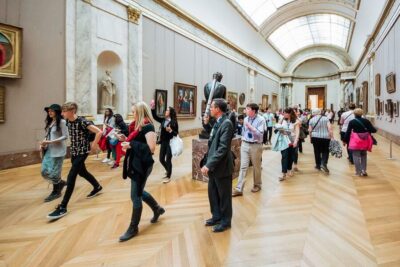 ★ 4.6Louvre Museum Timed-Entrance TicketTickets from $2671,977 guest reviews
 ★ 4.6Disneyland® Paris 1-Day TicketTickets from $6149,412 guest reviews
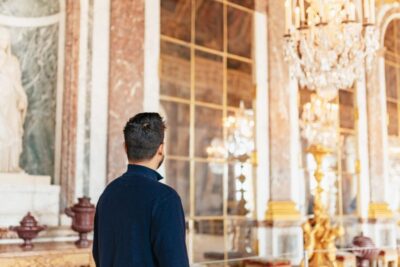 ★ 4.6Versailles Palace and Gardens Full Access TicketTickets from $1741,579 guest reviews
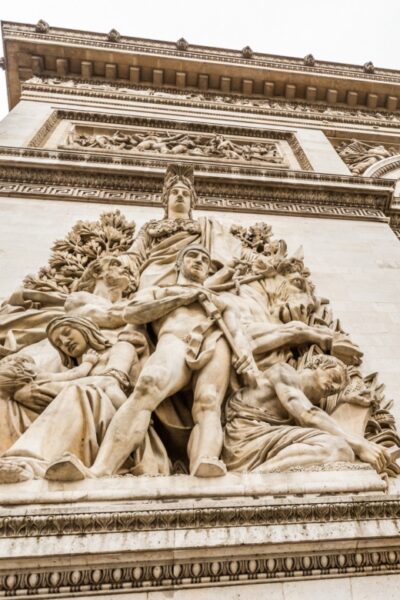 ★ 4.6Arc de Triomphe Rooftop TicketsTickets from $1834,264 guest reviews
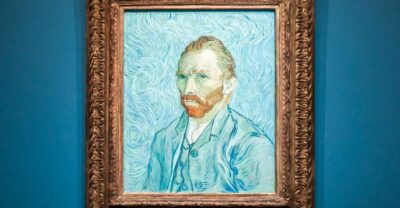 ★ 4.7Orsay Museum Entry TicketTickets from $1525,647 guest reviews
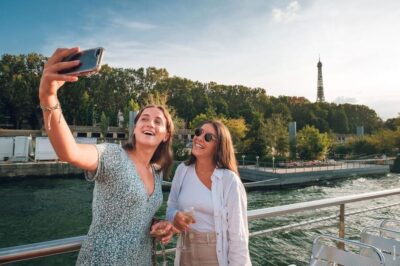 ★ 4.4Evening River Cruise with MusicTickets from $2722,721 guest reviews
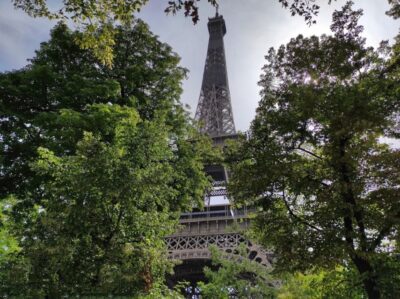 ★ 4.4Eiffel Tower Entry Ticket with Optional Summit AccessTickets from $2920,035 guest reviews
 ★ 4.3Eiffel Tower Summit or Second Floor AccessTickets from $5917,248 guest reviews