
Review · NOTRE-DAME TOURS
Medieval Paris: Notre Dame, Sainte Chapelle and Conciergerie
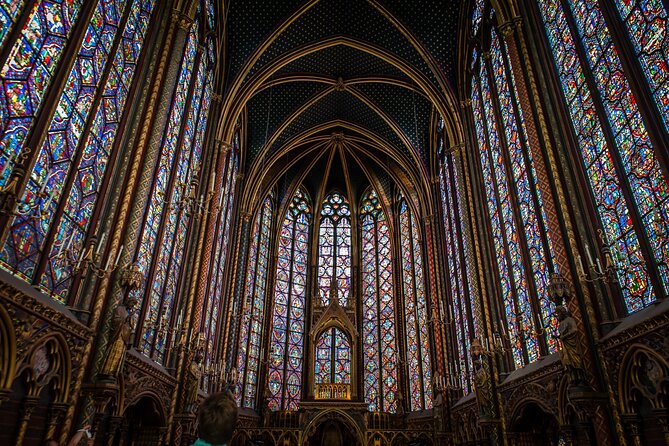
Gargoyles and stained glass in one walk. This private medieval Paris experience threads together Île de la Cité, Notre-Dame’s dramatic Gothic face, and the stained-glass blaze of Sainte-Chapelle, then finishes at the Conciergerie so you get both the beauty and the power behind the stones. I love the stained glass at Sainte-Chapelle, and I love the small group of up to four pace, which leaves room to ask your guide questions as you go.
One thing to plan for: Notre-Dame is free to enter, and while your tour includes guided access, peak-time queues can still be real. If you want smoother timing, consider booking a free entry time slot on the cathedral’s official site ahead of your visit.
Key things I’d zero in on
- A tight Île de la Cité walking loop that keeps travel time low between stops
- Tickets handled where it matters at Sainte-Chapelle and the Conciergerie (so you spend more time looking)
- Medieval details that are made understandable through guided stories, not just dates
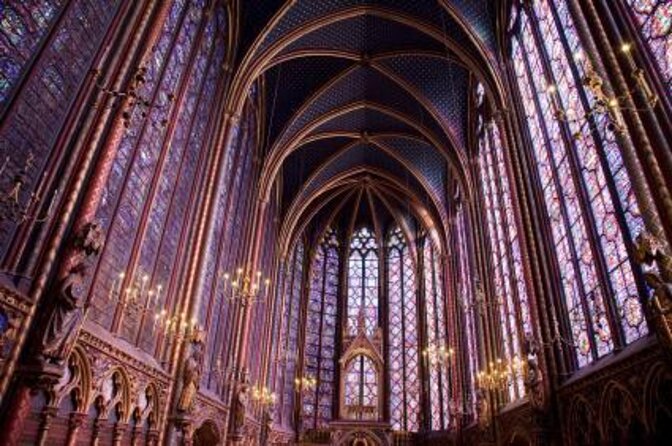
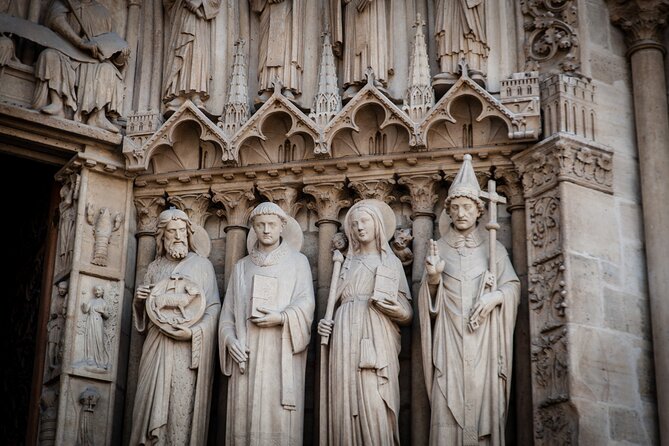
- Photo-ready interiors and facades like Notre-Dame’s sculpted Gothic details and Sainte-Chapelle’s stained glass
- Guide-led flexibility with lots of space for questions, including family-friendly tailoring reported in real experiences
Medieval Paris on Île de la Cité, with Notre-Dame, Sainte-Chapelle, and the Conciergerie
If you’re trying to experience medieval Paris without running all over the city, this route is a smart choice. You start on the island that shaped the early city, then move through three landmark sites that each show a different side of medieval life: church power, royal ambition, and state punishment.
What I like about this tour design is that each stop answers a different question. Notre-Dame’s exterior gets you into the visual language of Gothic Paris. Sainte-Chapelle shows how medieval builders used light like a message. The Conciergerie then grounds the story in real history, from court life to prison life, and finally to the Revolution years. It’s not just sightseeing, it’s cause and effect.
And because the group is limited to up to four, the tour doesn’t feel like you’re being dragged through. You can ask follow-up questions, slow down for detail shots, and actually process what you’re seeing while it is still fresh.
You can also read our reviews of more tours and experiences in Paris.



Price and value: Is $718.94 per group actually fair?
The price is listed as $718.94 per group, up to four people, for about three hours. On paper, that can sound high if you think like a solo traveler. But the value shifts quickly once you remember two things that matter in Paris:
First, you’re not paying per person for a long guided day. You’re paying for a private, guided experience built around three major ticketed sites.
Second, this route is designed to reduce dead time. The stops are close, and the tour format is focused, with tickets included for Sainte-Chapelle and the Conciergerie, plus guided access to Notre-Dame.
So the best value here is for small groups who can split the cost. If you’re traveling as a pair or with a couple of friends, this can be a very practical way to get a high-quality guide and avoid spending your entire visit in lines or confused by what you’re looking at.
A heads-up that matches what you’d expect with popular central sights: the tour is commonly booked around 61 days in advance. That doesn’t mean it will sell out instantly, but it does suggest it’s in demand in peak season.
Time plan that works: 3 hours, tight, and intentionally paced
This is approximately a 3-hour tour, walking between the sites on Île de la Cité. The stop lengths give you a sense of the rhythm:
- Notre-Dame exterior start and setting up the Gothic story
- Sainte-Chapelle as the main stained-glass focus
- Conciergerie as the palace-to-prison history hit
- Notre-Dame again for a look inside after you’ve learned how to read the building
For me, the pacing makes sense because it builds “understanding” first, then rewards you with better looking second. If you start with Sainte-Chapelle, you might appreciate the color but miss the big idea. Here, you learn the medieval symbols and mindset first, so the stained glass lands harder.
The only potential downside is also the most common one with focused tours: you can’t expect hours of free roaming inside each building. The interior time is shorter by design, so if your priority is lingering for long self-guided wandering, you’ll likely want extra hours before or after the tour.
Before you go: tickets, mobile access, and Notre-Dame timing
A few practical points will make your day smoother.
This experience uses a mobile ticket, and it’s offered in English. You’ll receive confirmation at booking, and the meeting point is Cité 75004 Paris, with the tour ending back there.
Notre-Dame is a special case. The cathedral entrance is free and open to all, and the services offered are independent of access to the interior. Your tour includes guided access for the experience parts listed, but if you want to avoid peak-time chaos, you have an option to book a free time slot on the cathedral’s official website. You can also walk in, but queues can get long during busy periods.
Also note that Conciergerie has a backup plan. If Conciergerie is closed, the tour includes Cluny Middle Ages Museum during those closures. That’s a useful safety net, because it prevents the whole medieval theme from falling apart on site.
Stop 1: Île de la Cité and Notre-Dame’s façade details
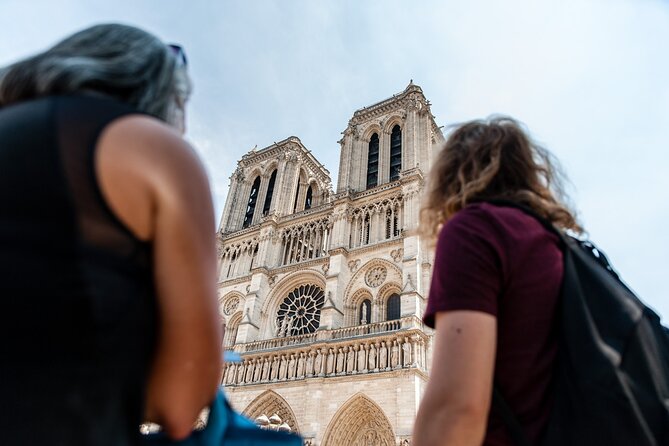
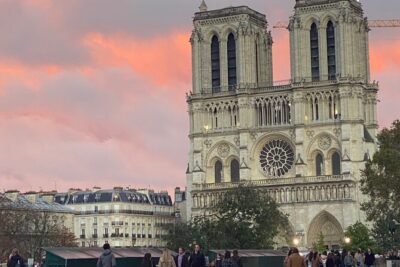
You begin on Île de la Cité in front of Notre-Dame Cathedral. This is the historical center vibe in one glance, and the tour wastes no time getting you to look closely instead of just standing back.
The guide helps you read the stonework. You’ll learn the difference between a gargoyle and a grotesque, which sounds like a small fact, but it changes how you see the entire façade. Once you know what you’re spotting, Notre-Dame stops being a single impressive image and becomes a whole collection of medieval ideas.
A key context point is also included: after the 2019 fire, Notre-Dame suffered partial damage to its roof and spire. Your guide uses the outside view to explain what you’re seeing today and how the building’s story continues through reconstruction.
I also like that the tour frames Notre-Dame as part of a living medieval landscape, not just a photo stop. Starting here sets the tone for the rest of the route, because you start learning how Gothic design communicates meaning.






Stop 2: Sainte-Chapelle, stained glass that actually tells a story
Sainte-Chapelle is the reason many people come to this part of Paris, and this tour makes it more than a postcard.
You get around an hour at Sainte-Chapelle, with admission included. The core idea is medieval engineering plus medieval ambition. The chapel’s walls are described as made entirely of stained glass, and the guide focuses on the king behind the project and the high-profile relic that motivated such an ambitious, costly build.
One of the best ways I’ve heard this explained is through contrast. A review noted that the guide discussed the separation between the lower and upper chapels, and you can expect that kind of structure in how the story is told: what happens at each level and what that meant for medieval worship.
If you love photos, this is where you’ll do the most. If you’re less into photography, you’ll still enjoy it, because the guide’s job is to translate design choices into human meaning. You’re not just staring at color, you’re learning why it was made that way.
Stop 3: Conciergerie, a palace turned prison with real drama
Next comes the Conciergerie, a former royal palace that later became an infamous prison. This is where medieval Paris gets uncomfortable, in the most educational way.
You get about 30 minutes here, and admission is included. The guide walks you through the big gothic scale of the space, including the vaulted ceilings of the Salle des Gens d’Armes, described as the world’s largest gothic hall. Even if you only have a short time, seeing that kind of scale helps you understand how power operated in stone.
Then you move into the prison side of the building. You’ll learn how cells reflected social status, with different levels of comfort depending on who was detained. That detail matters, because it’s a reminder that the system wasn’t random. It was organized, and the building itself supported that organization.
Finally, the French Revolution period comes alive through the story of Marie Antoinette’s fateful trip to the guillotine. For history buffs, this is often the emotional anchor of the tour. For everyone else, it’s the moment where medieval Europe feels close to real human stakes, not just architecture.
One practical note: if Conciergerie is closed on the day you go, you’ll visit Cluny Middle Ages Museum instead. That keeps the medieval thread intact.
Stop 4: Going back into Notre-Dame after learning how to look
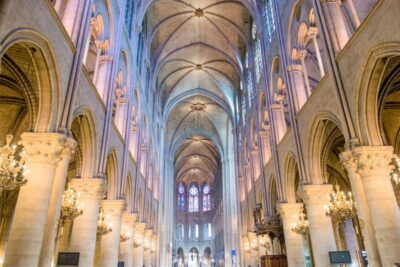
The tour doesn’t just end at Notre-Dame’s exterior. You also get time to step inside the newly renovated cathedral to marvel at the restoration and its timeless beauty, with about 30 minutes listed for this final portion.
This is smart sequencing. You’ve already learned how to spot gargoyles and how to interpret the Gothic façade outside. When you step in, you’re better prepared to notice the building as a whole system rather than a single interior moment.
The guides I’ve seen described for this route tend to treat the cathedral like a living diagram. One review mentioned an approach using a large iPad with photos and drawings of details, which can be extremely helpful when you’re trying to understand what you’re looking at at eye level versus what you have to imagine from history or restoration.
If you want one practical strategy: don’t force yourself to memorize everything. Instead, pick one theme your guide mentions, then use your last minutes inside to hunt for related visual cues. It makes the space feel personal.
The guides make the difference, and the names show up for a reason
This is a private tour, and the guide experience clearly drives the quality. Multiple guide names came through in real feedback, and the consistent pattern was clear: guides bring energy, adjust their pacing to the group, and use examples to make medieval concepts click.
Elise Girard is one name that showed up with praise for clear English, smooth timing between Sainte-Chapelle and Conciergerie, and a friendly, confident way of leading the group. Another review mentioned Isabelle, with a very detailed approach and even extra help connecting plans after the tour, like helping coordinate a taxi return in a way that kept the schedule on track.
There were also mentions of Thomas with strong focus on Conciergerie, and guides such as Raphaël and Anaïs who were described as passionate and able to tailor the story, including for kids. Even when the tour hits heavy topics, the best guides steer it into understanding, not just facts.
If you’re the type who asks lots of questions, this setup is ideal. The experience is built to handle it, not shut you down after a scripted monologue.
Photo and pacing tips that keep the tour from feeling rushed
You’ll likely take photos at all four stops, but you’ll get the best results if you keep expectations realistic.
At Notre-Dame, photograph the façade details where the guide’s explanations help you aim. Learning the gargoyle versus grotesque distinction changes what looks “interesting” in your frame. It also helps you avoid generic wide shots when you can actually capture the medieval symbolism.
At Sainte-Chapelle, plan to shoot slowly. Stained glass can look amazing in person and in photos, but only if you pause long enough to line up what you’re seeing with what your camera is actually capturing. The hour time limit is enough if you move with intention, not if you constantly bounce between wide angles and tiny details without a plan.
At the Conciergerie, aim for ceiling scale and corridor mood rather than trying to shoot every cell. The stop is shorter, and the guide’s story will make the spaces feel bigger than they look from one angle.
And finally, inside Notre-Dame, give yourself one quiet minute on purpose. Let the guide’s points settle. It turns restoration facts into something you can actually feel.
Who should book this tour?
This medieval Paris tour is a strong fit if you:
- Want a guided interpretation of major medieval landmarks, not just a self-guided checklist
- Travel with a small group, since pricing is per group up to four
- Like history that connects architecture to power, worship, and punishment
- Enjoy asking questions and getting direct answers from a live guide
- Appreciate a walking route that keeps logistics simple in a central area
It may be less ideal if you:
- Want to spend long hours inside only one site and wander without structure
- Prefer to go at a slow museum pace with minimal guide input
- Need very long time for photography at every single stop, since the itinerary is intentionally time-limited
Should you book Medieval Paris: Notre-Dame, Sainte-Chapelle and the Conciergerie?
I’d book it if your goal is to understand medieval Paris in one efficient, high-impact route. The value makes sense when you split the group cost, and the stop order helps you learn first, then see better. Sainte-Chapelle alone justifies a guided visit for many people, and the Conciergerie adds the story edge that keeps the whole experience from feeling too polished or too soft.
The one reason to hesitate is timing. Notre-Dame is free to enter, and queues can be long at peak times. If you’re visiting during a busy season or at a popular hour, do yourself a favor and plan for that Notre-Dame entry flow, including the option to book a free time slot on the official site.
If you’re traveling in a small group and you want a medieval-focused guide who can answer questions and keep you moving, this tour is a solid bet.
FAQ
How long is the tour?
The tour duration is approximately 3 hours.
Is this a private tour?
Yes. It is a private tour/activity, with only your group participating.
What sites are included?
You visit Île de la Cité (starting in front of Notre-Dame), Sainte-Chapelle, and the Conciergerie, with additional time at Notre-Dame inside as part of the tour.
What language is the tour offered in?
The tour is offered in English.
Are tickets included?
Yes for Sainte-Chapelle and the Conciergerie. Notre-Dame entry is free and open to all, and the guided access is included as part of the experience.
Is there a mobile ticket?
Yes, the tour includes a mobile ticket.
Do I need to book a free time slot for Notre-Dame?
You have the option to book a free time slot on Notre-Dame’s official website. You can also walk in, but queues can be long during peak times.
What happens if Conciergerie is closed?
Cluny Middle Ages Museum is included during Conciergerie closures.
How far in advance do people usually book?
On average, this tour is booked 61 days in advance.
More Tour Reviews in Paris
Not for you? Here's more nearby things to do in Paris we have reviewed








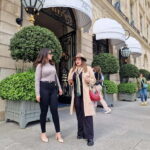



Notre-Dame Tours, side by side.
 ★ 5.0Paris Île de la Cité and Notre-Dame Walking Tour With CryptTickets from $482,272 guest reviews
 ★ 4.4Eternal Notre-Dame VR Experience TicketTickets from $361,150 guest reviews
 ★ 3.7Notre-Dame Cathedral Exterior Tour & Free EntranceTickets from $281,010 guest reviews
 ★ 5.0Paris Highlights Bike Tour: Eiffel Tower, Louvre and Notre-DameTickets from $54853 guest reviews
 ★ 4.5Early Access Paris Notre Dame Cathedral Walking TourTickets from $71766 guest reviews
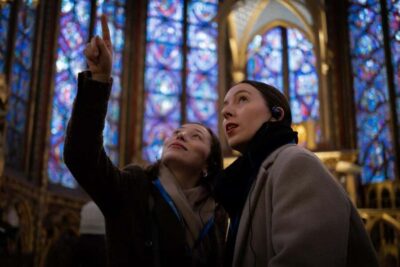 ★ 4.8Sainte-Chapelle, Conciergerie, Notre Dame Guided TourTickets from $88727 guest reviews
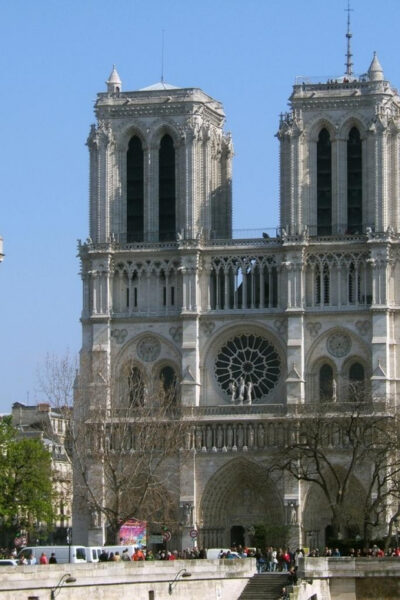 ★ 4.7Notre Dame Outdoor Tour with Sainte-Chapelle / Crypt.Tickets from $63723 guest reviews
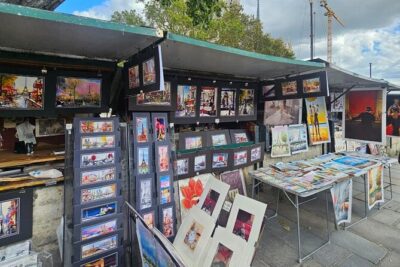 ★ 5.0Notre Dame Outdoor Walking Tour and Entrance to Sainte ChapelleTickets from $79625 guest reviews
This tour also belongs to