
Review · PARIS CITY TOURS
Paris French Wine Tasting 3-Course Dinner
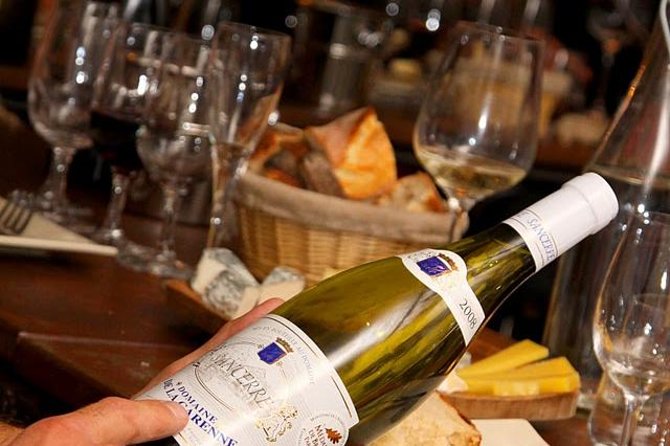
A Paris wine cellar dinner that teaches as you eat. I like the setup at Ô Chateau because you sit at a communal table in a stone-walled room, and a sommelier matches four French wines to your 3-course menu, including Champagne. If you are late, the evening can move fast, and you could miss part of the starter flow.
What I like most is the practical “why this works” pairing lesson. Expect talks on terroir and how to taste, plus tips you can use when you order wine later. One more thing to keep in mind: the experience has a stated max of 10 people, but the broader group size can vary, so your table talk depends on how your night is scheduled.
Key highlights to look for
- Cellar-table dining in an intimate, vault-like room that keeps the group conversation easy
- Four wine pours that start with Champagne and continue through the meal in a planned sequence
- Pairing lessons tied to what is on your plate, not just a list of facts
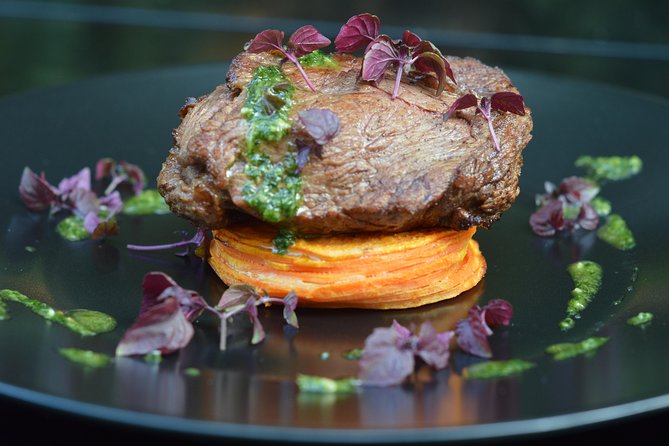
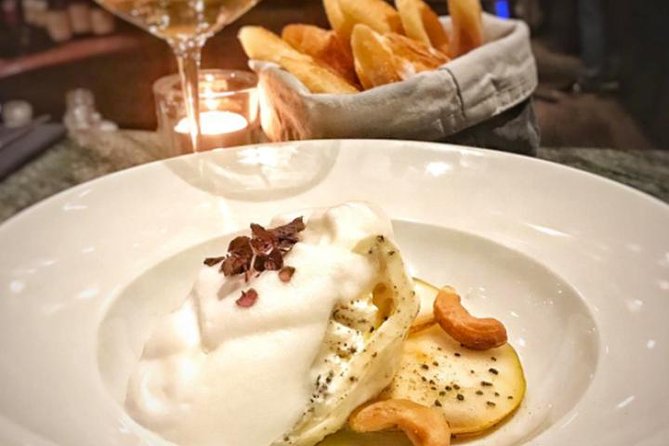
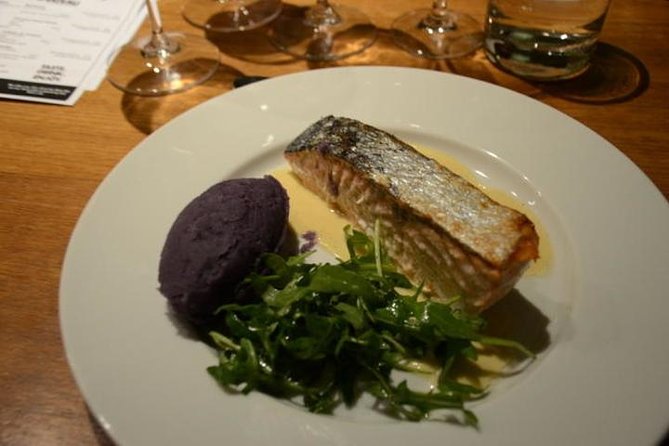
- Seasonal 3-course menu with dishes that can include foie gras, steak, lamb, eggplant, and French-style desserts
- Digestif finish with a classic option after dessert, like Cognac, Calvados, or Armagnac
- Small-group format with a maximum of 10 travelers, plus English service
Ô Chateau in Paris: why this wine cellar works so well
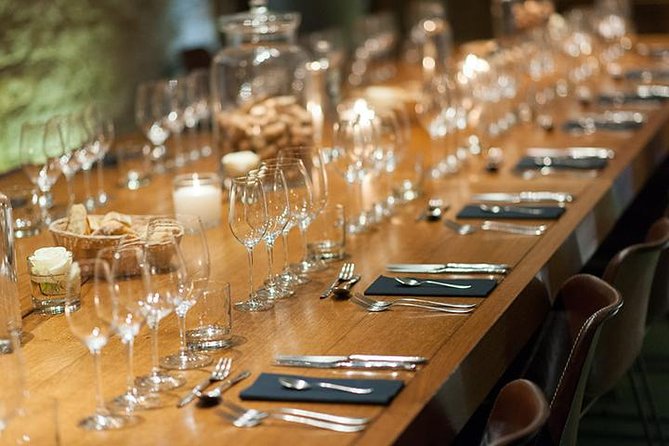
This is the kind of Paris night that makes wine lessons feel natural. You start at Ô Chateau (68 Rue Jean-Jacques Rousseau, 75001) and head into a cellar-like tasting room with stone walls and vaults. The communal dining table matters. Instead of disappearing into separate seating, you eat side-by-side, ask questions, and hear the sommelier’s explanations as the courses arrive.
The experience is also timed well for a first-timer or a last-night splurge. It starts at 8:15 pm and lasts about 2 hours, then you are simply back where you started. No complicated transfers, no long wait between activities.
The other thing I appreciate is that it is structured. The sommelier-led format can be hit or miss in some tastings, but here the meal and the wine pairing stay linked. When the eggplant appetizer shows up, you are tasting something that is meant to work with it, not just sipping randomly.
You can also read our reviews of more food & drink experiences in Paris



The meal plan: 3 courses, four wines, and how pairing actually shows up
Your dinner is built around three courses and a wine tasting that includes a glass of each of four wines: Champagne plus three other French wines. Menus vary by season, but the pairing logic stays consistent.
Here is how the evening typically unfolds in terms of sequence and style:
1) First course, Champagne intro, and a pairing that makes sense
Many menus include a starter such as eggplant, or a classic French option like duck foie gras. Champagne usually kicks things off. That sparkly start is not just for celebration. It sets your palate up for what comes next, especially with rich foods.
The big benefit for you is learning the pattern behind it. You are not just told that a wine matches. You hear why the flavor weight, acidity, and aroma are supposed to balance the dish.
2) Main course, a white-to-red bridge, and the “why” behind the choice
For the main, expect meat-focused French classics. In past menus this has included steak such as ribeye, plus options like lamb. The wines follow the food. You might see a white wine paired earlier with a rich starter, then a red wine with the main, especially if the course is a hearty steak.
One review detail that is useful: the pours can be generous. That means you are not stuck with teeny tastes where you barely notice differences. If you learn best by tasting and comparing in real time, this is a good format.
3) Dessert course with a sweet pairing, often fortified or port style
Dessert is where many wine tastings either get awkward or get interesting. Here, it leans into a sweet match. You might get a dessert like chocolate lava with a vanilla ice cream style component, and then a fortified or sweet wine that is designed to pair.
Some nights have featured port-style wine with dessert, and others mention a fortified wine like Risevalt 17. The practical value is huge: you learn that sweet wines are not automatically a sugar bomb. They can be balanced, and they can make chocolate taste different in a way you would not guess from smell alone.
You can also read our reviews of more wine tours in Paris




Digestif after dessert, a classic French finish
After dessert, the experience is described as including a digestif tasting such as Cognac, Calvados, or Armagnac. That last sip can be a nice bridge into the end of the night and a good moment to ask one last question about how to finish a meal with the right style of wine or spirit.
A quick consideration: a couple of people reported missing the digestif or not getting what was advertised. It is not universal, but it is worth mentally flagging. If this detail matters to you, arrive on time and stay engaged until the end of dessert service.
Your sommelier lesson: how names like Pierre, Lionel, Richard, and Jasmine fit in
The heart of this evening is the sommelier. The setup is designed so the guide stays part of your meal flow, not just standing at the front once.
I also like that different sommeliers bring different teaching styles, but the goal stays the same: explain how French wine works and how to taste with intention. Reviews mention hosts such as Pierre, Lionel, Richard, Jasmine, Vincent, Alain, Daniel, and Gerald. That tells you something important: the program seems to rely on experienced staff who can tailor explanations to the group.
What you should expect to learn and practice:
- Terroir concepts, explained in a way that connects grapes to place
- How to taste wines properly, including what to focus on as you sip
- How to read and understand labels, plus practical tips like how wine can be stored and served
- Pairing reasoning, so the next time you are ordering dinner in Paris or at home, you have a starting point
One of the standout teaching details is how some sommeliers use a clearly marked map to explain where wines come from. If you are the type who learns best with structure, that kind of visual help makes it easier to remember later.
A small caution from real-world experience: on at least one night, the sommelier presentation may have felt less present, with a waiter stepping in for delivery. That does not mean the whole evening is worse, because the pairing and wine quality can still be strong. Still, if you book specifically for a guided sommelier experience, you will want the guide to stay involved through the courses.
Timing and pacing: Champagne first, lessons during the courses, and finishing at ease
Start time is 8:15 pm. That matters more than it sounds. Wine tastings run on a schedule, and wine service is paced around each course. If you are the kind of traveler who likes to be fashionably late, swap that habit for “arrive and settle” here.
In the past, people who arrived about 8 minutes late reported being told starters had already been served, which is the exact moment you do not want to miss if your goal is the pairing lesson. They later were able to join, but the point stands: be on time so you get the full arc of the dinner.
The upside of the pacing is that it keeps your brain active. You taste, then you hear the explanation, then you eat the next course. It is not a lecture with food on the side. It is more like a guided meal where the tasting is part of the experience, not an add-on.
And yes, pours can be generous. If you are watching alcohol intake, pace yourself. Ask questions, sip water between courses, and slow down if you feel yourself getting too far ahead of the palate.
Price and value in Paris: what $143.61 includes, and what you are really paying for
At $143.61 per person, this is not a budget dinner. But in Paris, you are also not just buying food. You are buying:
- a 3-course dinner
- a wine tasting with alcohol included, specifically Champagne plus three additional wines
- a professional sommelier to explain the pairing logic
Here is how I think about the value. If you tried to recreate this on your own, you would need a dinner spot willing to do multiple paired wines, and you would still likely miss the teaching piece that helps you learn how to taste and match flavors. That guidance can be the difference between drinking wine and actually understanding it.
Also, the format is small group. With a maximum of 10 travelers listed, you should expect more interaction than large bus-style tastings. That matters if you like conversation or you want answers tailored to what you like.
One more value angle: the venue itself is part of the payoff. Sitting in a stone cellar with vaults and a long communal table beats a standard restaurant experience in feel. You are getting an atmosphere that matches the theme.
When this night is a great fit, and when it might not be
This experience is a strong match if you are:
- a foodie who wants a meal that is intentionally paired
- a wine lover who wants to learn without feeling like school
- a solo traveler who wants to sit with people and talk over a shared table
- someone planning a short visit and wanting a structured evening that ends quickly
It may be less ideal if:
- you dislike communal dining, even though it is intimate and easy
- you are sensitive to alcohol timing, since wine is included throughout the meal
- you expect absolute perfection in every tiny service detail, based on occasional reports of missing items or less-than-ideal pacing when arrival timing was off
There is also a practical consideration: the meal is included with wine, so if you are hoping for non-alcoholic alternatives, that is not mentioned in the provided details. You might want to message the provider if that is important to you.
Tips to enjoy it like you know what you are doing
You do not need to be a wine expert. You just need curiosity and a few good habits.
- Arrive early and relaxed. If you want the full flow of starters to dessert, timing matters.
- Ask one clear question per course. For example, ask why a white works with a starter, or why a sweet wine matches chocolate.
- Taste in order and slow down. The pairing lesson becomes obvious when you notice acidity, fruit, and how the finish feels.
- Take small notes. Even a few words like eggplant, foie gras, steak, chocolate, and the wine style help you remember later.
- Plan your next stop. It ends back at Ô Chateau, so think about how you will get back after a 10-ish pm type finish.
Should you book this Paris wine tasting dinner?
I would book it if you want a compact, memorable Paris evening that mixes excellent food, wine service, and actual teaching. The wine and pairing structure is the point, and the cellar-table atmosphere makes it feel like a real French night out rather than a quick tasting stop.
Skip it or reconsider if you are very timing-sensitive, expect a rigid sommelier presence every minute, or you are worried about alcohol pacing. Also, if you care deeply about receiving every element mentioned, like the digestif tasting, I would arrive early and stay until the end.
Overall, this is a solid choice for your first or second night in Paris, especially if you want to leave with pairing tips you can reuse long after the plates are cleared.
More Wine Tours in Paris
More Food & Drink Experiences in Paris

More Tour Reviews in Paris





Not for you? Here's more nearby things to do in Paris we have reviewed








Paris City Tours, side by side.
 ★ 4.6Louvre Museum Timed-Entrance TicketTickets from $2671,977 guest reviews
 ★ 4.6Disneyland® Paris 1-Day TicketTickets from $6149,412 guest reviews
 ★ 4.6Versailles Palace and Gardens Full Access TicketTickets from $1741,579 guest reviews
 ★ 4.6Arc de Triomphe Rooftop TicketsTickets from $1834,264 guest reviews
 ★ 4.7Orsay Museum Entry TicketTickets from $1525,647 guest reviews
 ★ 4.4Evening River Cruise with MusicTickets from $2722,721 guest reviews
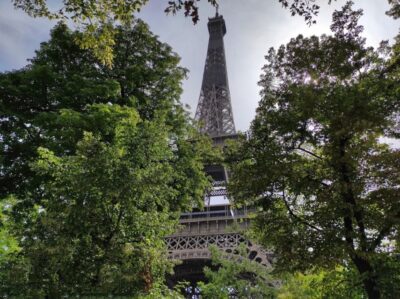 ★ 4.4Eiffel Tower Entry Ticket with Optional Summit AccessTickets from $2920,035 guest reviews
 ★ 4.3Eiffel Tower Summit or Second Floor AccessTickets from $5917,248 guest reviews
This tour also belongs to