
Review · EIFFEL TOWER TOURS
Paris Baking Insider Experience near Eiffel Tower
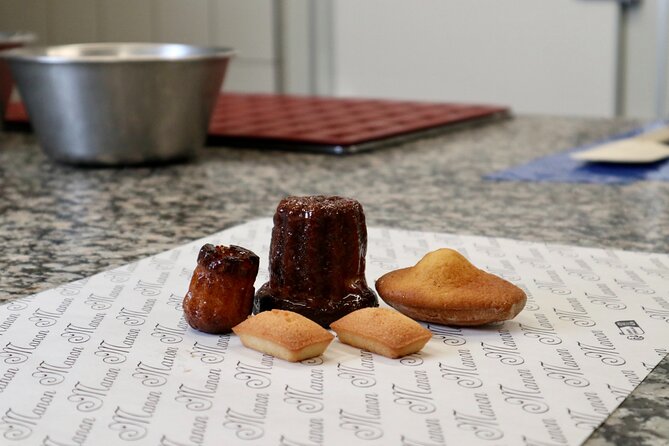
Hands-on baguettes beat any souvenir. In this small-group workshop (max 8) near the Eiffel Tower, I loved the working boulangerie feel and the chance to learn laminated dough and baguette shaping directly with a French baker. One heads-up: the lesson includes lots of standing, a 2nd-floor walk-up with 15 steps and no elevator, and you might not make every element from scratch.
At about 2 hours, it moves fast but feels doable, even if you are not a bread person. I also liked how the instructors kept things practical, with English offered by guides such as Nisha, Jess, Priya, Candice, Rachel, and Pierre, and how tastings helped the lesson stick. You will leave with pastries to take home, so keep space for them in your bag.
Key things to know before you bake in Paris

- Small group (8 max) means real hands-on time instead of watching from the sidelines
- Working bakery setting gives you the true boulangerie rhythm, with staff doing their normal day around you
- Lamination and shaping focus teaches skills you can reuse, not just one-time tricks
- Flour, yeast, and sourdough differences get explained in plain terms, so your choices make sense
- Tastings plus take-home pastries help you understand what you made and share it later
Stepping into a working bakery near the Eiffel Tower
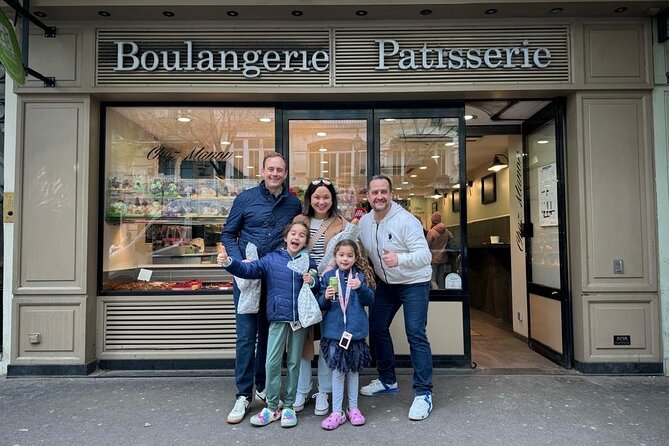
The meeting point is at 31 Rue de l’Annonciation, 75016 Paris. The class starts there and ends back at the same spot, so you are not crisscrossing the city once you arrive.
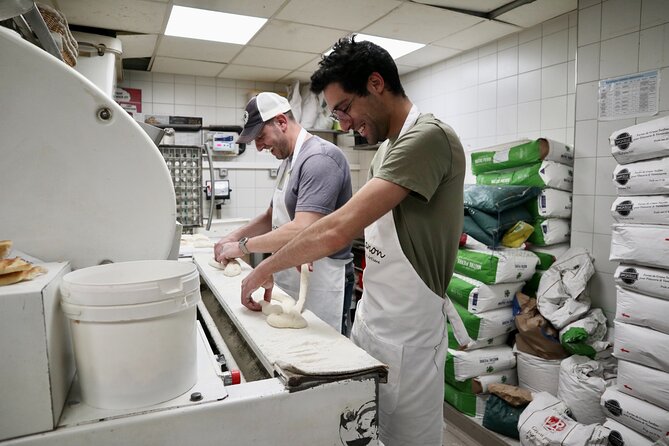
What I like about this kind of workshop is that you are not playing chef in a rented studio. You are inside a boulangerie kitchen workflow, where you can see the real pace and how bread and pastry actually fit into a working day. The best part is the contrast between what you thought baking meant and what it really takes: mixing, resting, shaping, proofing, and then getting the timing right so the result tastes right.
There is also a practical side to plan for. The bakery is on the 2nd floor and there are 15 steps with no elevator. You will be standing for an extended period, so comfortable shoes matter more than you think. The space is friendly and authentic, but it is not huge, which can affect how much room you feel you have for your hands, your dough, and your personal space.
You can also read our reviews of more tours and experiences in Paris.



A clear 2-hour rhythm: what you do, when you taste
This is built as an active, hands-on baking workshop. You learn while you work, with an expert guide leading the group. The experience is offered in English, and the small max group size helps questions get answered instead of getting pushed aside.
Here is the flow you should expect in a practical sense:
You start with a quick orientation and then you get moving with dough. The lesson includes preparing bread and croissant dough, plus key techniques like laminating. Along the way, you get tastings so you can connect flavor to what you are doing. You also learn facts and comparisons, including the difference between bread flours, yeast and sourdough, and how to tell one baguette style from another.
Then you shift into shaping and finishing. Baguette shaping gets attention because it is one of the most iconic, and the instructor helps you understand what makes a good form. For laminated pastry, you work on making puff-style results, not just rolling something flat. The goal is that you can reproduce the idea at home, even if your kitchen does not look like a Paris bakery.
By the end, you leave with pastries to take home. That is a big part of why the class feels like more than a quick demo. Also, several people mention packing room because you can easily end up with enough bread and sweets for a meal later.
Baguettes and laminated dough: the skills that transfer to home
If you have ever wondered why bakery bread tastes different even when you start with similar ingredients, this is where it gets real. The workshop covers how the baker thinks about ingredients, not just the final shape.
You learn about bread flour differences and how yeast and sourdough are not interchangeable in behavior or flavor. The instructor frames it in a way that helps you understand why a baguette can taste one way and look another way. Then comes the hands-on part. You work with laminated dough, which is the base concept behind many flaky, layered pastries. It is the kind of technique that feels tricky until someone breaks it into simple steps.
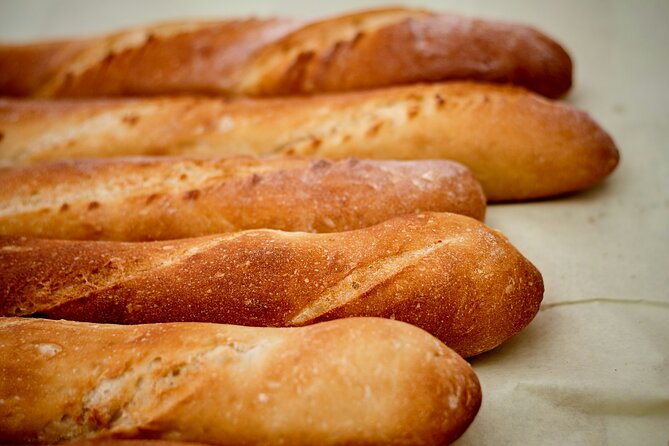
You also learn baguette-shaping techniques. This matters because shaping affects how the dough expands and how you get those classic bakery contours. The best classes teach you the logic behind the form, so you are not copying a shape like a sticker.
One more detail worth your attention is the idea of differentiation. You are not just making bread, you are learning how to think like a baker about baguettes. That makes your taste test at the end more meaningful, since you know what you did and what the result is saying.
Puff croissants and financiers, plus tastings that actually teach
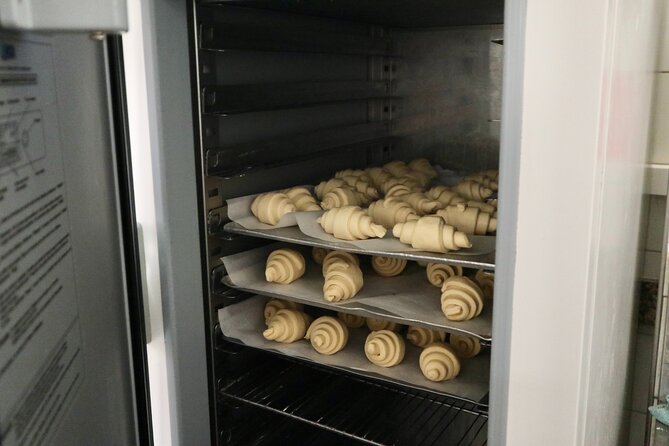
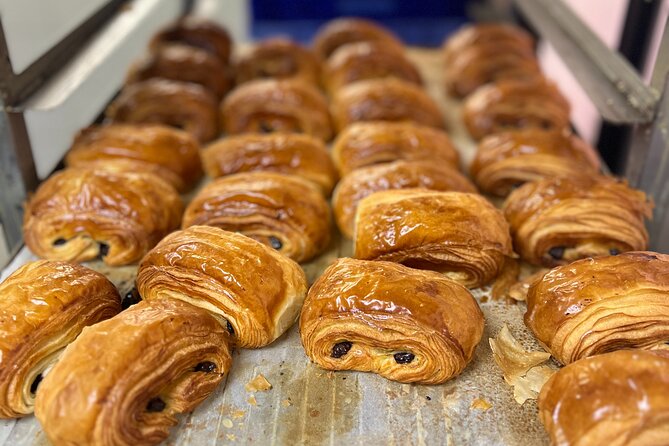
Puff croissants come up for a reason. The structure is the lesson. You learn dough lamination and how the process creates the flaky layers you expect from French pastry.
That said, here is the honest consideration: some versions of the experience may use prepared components so you spend more time on technique and shaping. A disappointed review called out that the croissant part can feel more like rolling than starting from scratch. I do not think that makes the class bad, but it does change expectations. If you imagine creating every single dough element entirely from raw ingredients, you may feel let down.
Financiers show up too, and that can be a plus if you love small French cakes. It can also be a minus if you are not into getting a lot of one item. One negative comment mentioned making too many financiers for two people to finish quickly before they go bad. My practical advice: if you are traveling with friends or family, that is an advantage. If you are alone, plan how you will share or store the sweets.
Tastings are included, and several people praise the way they tie to what you are learning. You taste along the way so you learn not only how to do steps, but what those steps do to flavor and texture. That is how a short class turns into real skill, not just a single afternoon of dough play.
Guides who keep you moving in English (and in tiny space)
The experience succeeds or fails on the guide. Here, the feedback is strong on that point. People name instructors like Priya (managing a larger group well), Nisha (welcoming and great at teaching), Jess (warm, patient, and detailed), Candice (friendly, involved, and good with families), Rachel (fun and helpful), and Pierre (personable and informative).
What stands out in the better reviews is not just that guides are friendly. It is that they explain why you do the steps. That is what turns a hands-on workshop into an actual lesson. If you ask a question, the guide is set up to handle it, and the group size makes that realistic.
This also matters for families. Several reviews mention a good experience for kids, with kids able to participate with an adult. Still, you should know the safety rule: children under 5 can join for free but they cannot participate in the hands-on baking portion due to safety concerns.






Comfort and crowding: what the small room really feels like
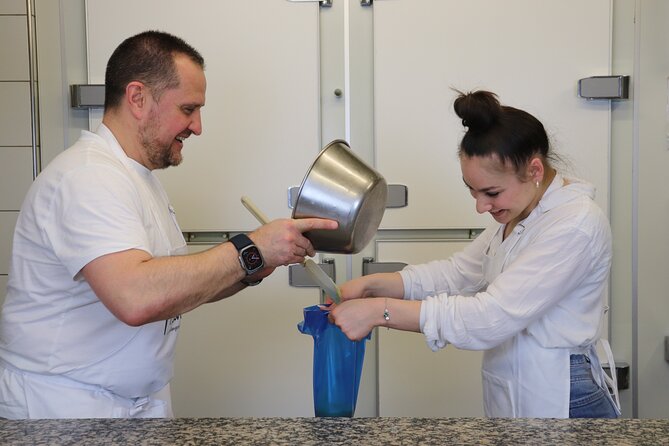
This is intimate, and that is part of the charm. It is also part of the risk. The workshop happens in a tight space, and one critical review described it like an obstacle course, especially with more standing bodies in limited room around the counter.
If you are sensitive to cramped quarters, plan for it. Think of the setting like a small workshop rather than a wide open cooking school. The counter space and circulation can be tight when everyone is learning at once.
Comfort tips that are actually useful:
- Wear shoes you can stand in comfortably
- Bring light layers, kitchens can run warm
- Expect to share space with others while you work the dough
Also, bring your appetite. Tastings and included snacks are part of the setup, and people repeatedly mention leaving with plenty of food.
Price and value: is $108.84 worth it?
At $108.84 per person, you are paying for three things: a small group size, an expert guide, and hands-on instruction inside a real Paris bakery. You are also getting snacks and tastings, and in practice you often take home enough baked goods to turn the experience into an actual meal plan later.
Is it expensive? For Paris, it is not the cheapest food activity. But it is not just a tasting tour either. A baking lesson like this is labor-intensive for the bakery and guide, and the group cap matters because it keeps your hands involved.
The other value point is timing. This class is often booked about 30 days in advance on average. If you are traveling during busy weeks, waiting too long can narrow your options. If you know you want the hands-on part, book sooner rather than later.
The strongest value match is for people who want a skill. If you want to watch from a distance, skip it. If you want to learn lamination, baguette shaping, and how ingredient choices matter, the price makes more sense.
Who should book this Paris Baking Insider class
I would book this if you fall into one of these buckets:
- You want a practical French baking skill you can actually repeat at home
- You like learning from a real working boulangerie environment
- You are comfortable standing and working at close quarters
- You are traveling with adults or older kids who can handle hands-on baking safely
If you are expecting a full from-scratch production of every element with no shortcuts, you might find parts of the workshop less satisfying. The format can include prepared ingredients so you focus on the technique and shaping you can do in time.
Should you book it? My quick take
Book it if you want a hands-on Paris baking class near the Eiffel Tower, with a small group and a guide who helps you understand what you are doing, not just copy shapes. It is a great use of a short visit to get a real boulangerie feel and leave with pastries you can share.
Think twice if you hate cramped spaces, need lots of seating, or expect every croissant component to be mixed by hand from absolute scratch. Also, make sure you can handle the 2nd-floor walk-up with 15 steps and extended standing.
If you come with flexible expectations and a real willingness to work with dough, this is the kind of experience that turns into fond memories and a new kitchen skill.
FAQ
Where is the meeting point for the Paris Baking Insider Experience?
The start point is 31 Rue de l’Annonciation, 75016 Paris, France. The activity ends back at the meeting point.
How long is the baking experience?
It lasts about 2 hours.
What is the maximum group size?
The experience has a maximum of 8 travelers.
Is the tour offered in English?
Yes, it is offered in English.
Is it a hands-on baking lesson or mostly watching?
It is a hands-on baking lesson. You’ll learn and prepare items during the workshop.
What baking skills and items will I learn about?
You learn French baking techniques, including preparing bread and croissant dough, lamination, baguette-shaping techniques, and differences between bread flours, yeast and sourdough. The highlights also mention baguettes, puff croissants, laminated dough, and more.
Are tastings included?
Yes. Snacks are included, and there are tastings along the way.
Can children join?
Children are allowed but must be accompanied by an adult. Children under 5 can join free of charge, but they cannot participate in the hands-on baking experience due to safety concerns.
Is the venue accessible by elevator?
No elevator is available. There are 15 steps to reach the bakery on the 2nd floor, and you need to be able to stand for an extended period.
Can I cancel, and what happens if I cancel late?
You can cancel for a full refund if you cancel at least 24 hours in advance of the experience start time. If you cancel less than 24 hours before, the amount you paid will not be refunded.
More Tour Reviews in Paris
Not for you? Here's more nearby things to do in Paris we have reviewed












Eiffel Tower Tours, side by side.
 ★ 4.4Eiffel Tower Entry Ticket with Optional Summit AccessTickets from $2920,035 guest reviews
 ★ 4.3Eiffel Tower Summit or Second Floor AccessTickets from $5917,248 guest reviews
★ 4.4Eiffel Tower Summit or Second Floor AccessTickets from $4116,088 guest reviews
★ 4.3Eiffel Tower Summit or Second Floor AccessTickets from $5917,248 guest reviews
★ 4.4Eiffel Tower Summit or Second Floor AccessTickets from $4116,088 guest reviews
 ★ 4.4Seine Cruise & Crepe Tasting near the Eiffel TowerTickets from $2311,231 guest reviews
 ★ 4.1Eiffel Tower Stairs Climb to Level 2 & Summit OptionTickets from $428,985 guest reviews
 ★ 4.6Eiffel Tower Access by Elevator & Seine River CruiseTickets from $797,329 guest reviews
 ★ 4.6Eiffel Tower 2nd Floor or Summit AccessTickets from $696,683 guest reviews
 ★ 4.0Eiffel Tower Dedicated Reserved Access Top or 2nd floor by liftTickets from $306,649 guest reviews
This tour also belongs to