
Review · MUSEUMS
Rigoletto at the Jacquemart-André Museum
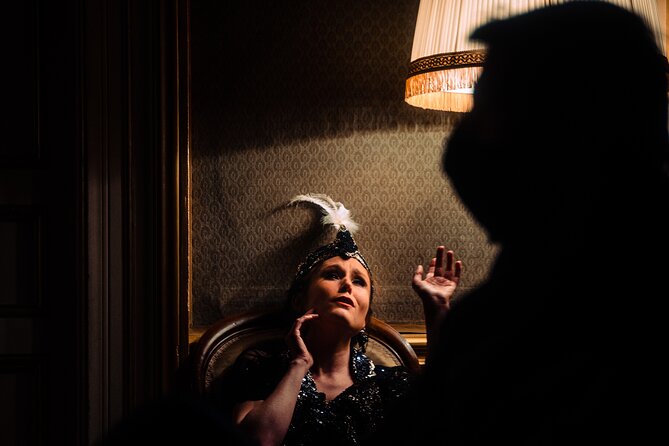
Opera in a museum feels oddly right. I love the close-up intimacy where the main roles are practically in your space, and I love the pacing that includes a Champagne intermission built into the evening. If you need lots of seating, go in with eyes open, since one room can be tight and sightlines depend on where you stand or sit.
This is a Paris opera experience built around the story of Rigoletto, staged inside the Musée Jacquemart-André salons instead of a big theater. You’ll follow the drama as the characters move through the museum spaces, with piano, violin, and cello supporting the music, and with a small cast led by Rigoletto (baritone), Gilda (soprano), Duca di Mantova (tenor), Sparafucile (bass), and Maddalena (mezzo-soprano). Start time is 8:30 pm, and the whole show plus museum time runs about 3 hours.
Pricey, yes, but you’re paying for a rare kind of access: the opera is paired with a private-style museum look at the permanent collection on the first floor. You also get English presentation and a mobile ticket, plus confirmation is sent within 48 hours of booking if spots are available.
Key things to know before you go
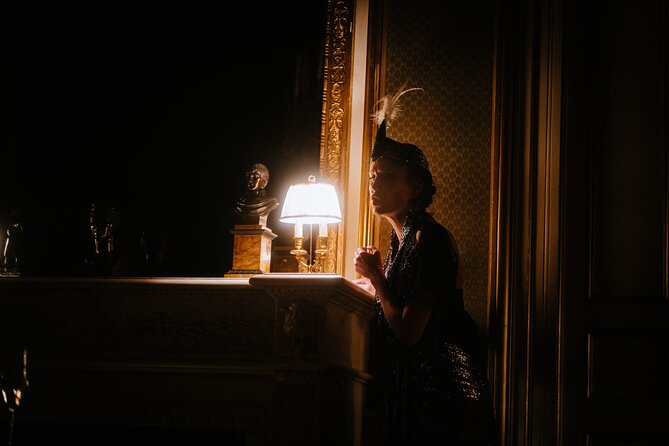
- Museum rooms, not a stage theater: the opera story plays out in the Jacquemart-André salons, so the setting is part of the show.
- A small ensemble sound: accompaniment is just piano, violin, and cello, which keeps the night feeling personal and focused.
- Champagne intermission: there’s a glass of Champagne built into the experience.
- The creators behind the look: staging is imagined by Patrizia di Paolo, and the costumes come from Venice’s Atelier Nicolao.
- A museum collection time block: admission to the permanent collection salons on the first floor is included.
- Sightlines can be a factor: seating is limited in at least one room, and the ability to see can depend on your spot.
Musée Jacquemart-André after-hours energy at 8:30 pm
You’re starting late in the evening, at 8:30 pm, which is a big clue that this is meant to feel special from the moment you arrive. The museum is known for its elegant interiors, but the real twist here is that the space becomes a performance environment, not just a place to walk around.
This timing also changes how you experience the city outside. In Paris, late bookings can either feel stressful or wonderfully unhurried. Here, you’re mostly staying within one museum complex, which means you can take dinner at a normal pace and still make it comfortably on time.
And because the show is in English, you’re not stuck guessing plot points when the drama gets fast. The music is the heart, but having the story clearly communicated lets you track betrayal, filial love, and revenge without turning the evening into homework.
You can also read our reviews of more museum experiences in Paris

The opera setup: Rigoletto with a small cast and big emotions
This is Rigoletto as an intense human story, told through a main cast of five roles. The baritone Rigoletto, the soprano Gilda, the tenor Duca di Mantova, the bass Sparafucile, and the mezzo-soprano Maddalena each have a job that feels sharper in a close setting. With fewer characters and a smaller stage footprint, you notice the rhythm of the drama in a different way than you would in a large production.
One of the smartest parts of this format is the pacing. Instead of the long stretches you can get in a full theater production, this one builds scene changes around where people are seated and where performers are positioned. That makes the evening feel more conversational and less like you’re trapped in one row for three hours straight.
Music is performed by a trio: piano, violin, and cello. That is fewer instruments than a standard orchestra, but it can be a win for clarity. You hear the texture of each line more distinctly, and the emotional impact tends to land closer, because the sound isn’t being swallowed by a huge hall.
How the museum becomes part of the performance
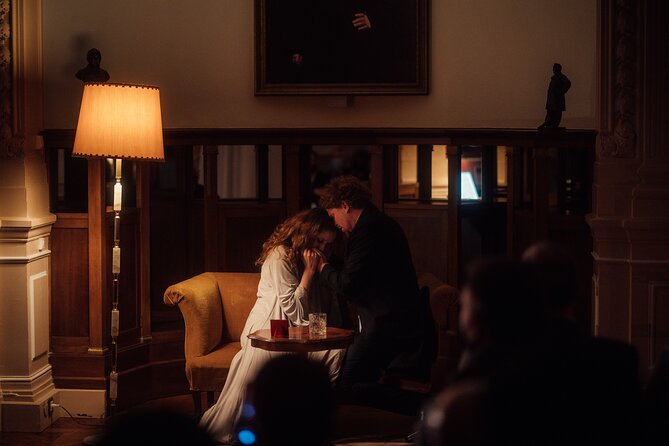
The heart of the experience is that you’re not just watching opera, you’re watching it inside rooms that were designed for everyday living and art collecting. The Musée Jacquemart-André has first-floor salons that reflect the taste of Édouard André and Nélie Jacquemart, and the show uses those spaces like natural rooms in a story.
That’s why the experience can feel more immediate than a traditional theater. In a museum, you’re surrounded by paintings, decorative details, and familiar museum sightlines, so the performance has a built-in intimacy. The distance between performer and audience gets shortened, which tends to bring out small acting choices, facial expressions, and the kind of body language you miss when the stage is far away.
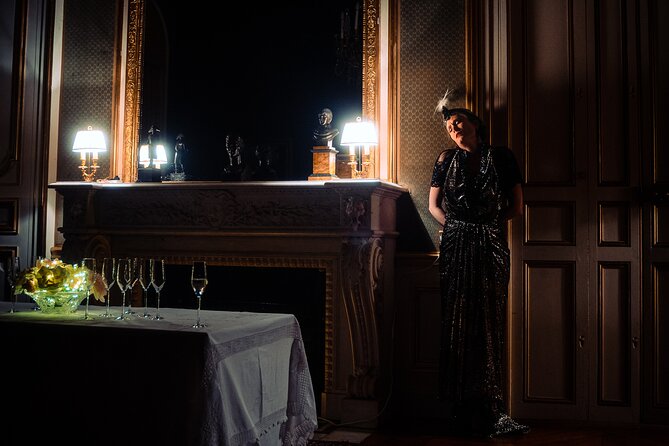
Staging is credited to Patrizia di Paolo, and costumes come from Venice’s Atelier Nicolao. Even without seeing a giant scenic change, those choices matter, because your eye follows fabric, movement, and character silhouette right where the story is being told.
Champagne intermission, and why it works here
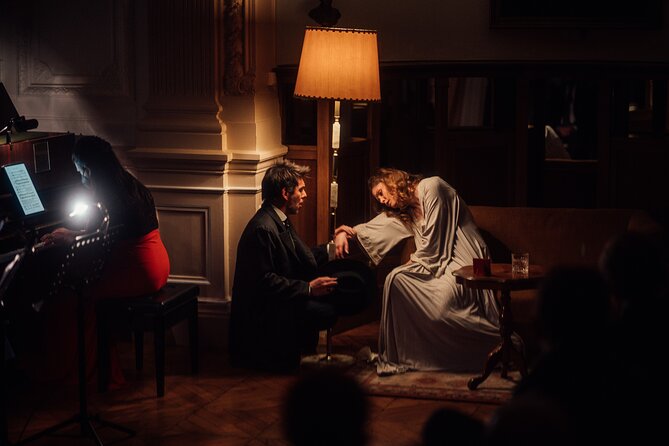
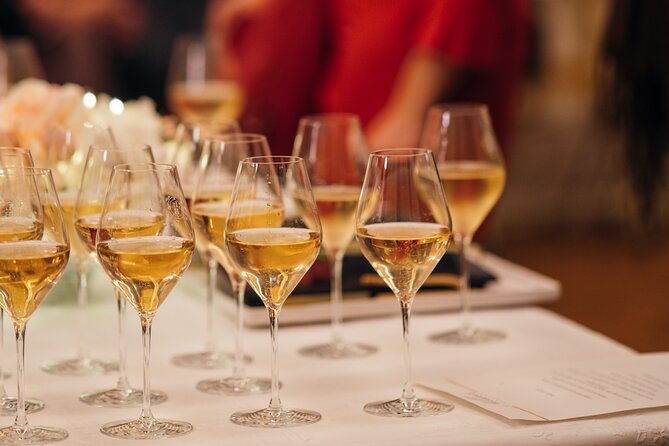
Yes, there’s a glass of Champagne during the break. That might sound like a simple perk, but in practice it’s a pacing tool that helps the night breathe. Opera can be emotionally heavy, and having an intermission built into the flow lets you reset without losing momentum.
Also, a Champagne break is one of those Paris details that feels right in this setting. The museum salons are formal, so the drink matches the mood. It’s not a nightclub vibe, it’s more like being treated to a planned evening, with a clear rhythm.
If you’re sensitive to standing and crowds, remember that the break is also when people reposition themselves for the next scenes. I’d use that time to get your best viewing stance early, not after the next number starts.
The included permanent collection time on the first floor
One of the strongest value points here is that the admission ticket to the museum’s permanent collection is included, tied directly to time spent in the salons on the first floor. That means your evening isn’t only about the opera. You also leave with more than a performance memory.
This matters if you’re the type who wants your Paris day to feel like more than a ticket. Museums can be hit-or-miss when you’re racing from one site to another. Here, the museum time is part of the structure, so you see art objects and master paintings in the same atmosphere where the opera is happening.
Even if you already know the museum, an opera event reframes what you notice. Decorative rooms, art placement, and the feel of the space become theatrical cues. And if you don’t know the museum well, you still get a coherent, satisfying reason to pay attention beyond the stage action.




Price and what you get for $348.07 per person
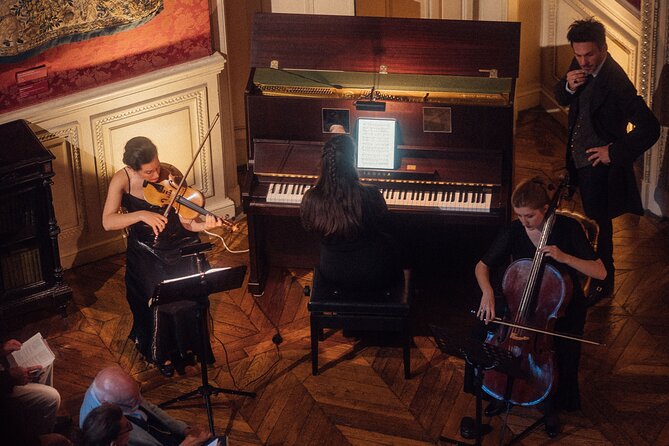
Let’s talk money directly. At $348.07 per person, this is not a casual evening out. You’re paying for three things that are hard to bundle elsewhere:
First, you’re paying for an opera performance designed for a museum setting, not a general ticket you could buy for any venue. Second, you’re paying for access to the museum’s salons on the first floor as part of the evening, with the included admission ticket. Third, you’re paying for small-format staging, a focused cast, and a trio of musicians, which keeps the whole experience tight and personal.
Is it expensive? Yes. Is it “worth it” for the right person? Also yes. I see it as best for someone who wants a memorable story and likes the idea of hearing opera up close, while also caring about the museum experience itself.
If you’re the type who can get opera tickets in a bigger house for much less, you may feel the price difference instantly. If you want something that feels like you’re being invited into the museum’s private life, this price makes more sense.
Seating, sightlines, and the one real caution
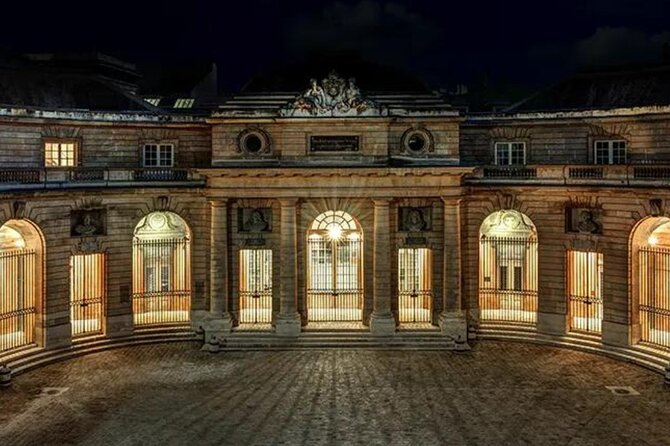
The big practical drawback is that not every spot is equally comfortable. In one room, seating can be very limited, and with a lot of people gathering, it can be difficult to see the artists unless you’re positioned well. One account described a crowd around 80 people and suggested that front-row positioning mattered.
In the second room, there are chairs, and sightlines improve, but the tradeoff is that you still need to plan where you stand. If you have trouble standing for long stretches, I would treat this as a “choose your position carefully” evening. Bring a calm attitude, wear comfortable shoes, and be ready to switch spots between scenes.
Also, lighting may not be perfect in every moment, especially for later stages. If you’re someone who needs bright visibility at all times, focus on picking your viewing location early in each room.
Who this experience suits best (and who might skip it)
This is a great match for:
- People who love Rigoletto and want a more conversational, story-forward delivery.
- Museum lovers who want a guided-like museum experience without the usual lecture format.
- First-time opera attendees who are curious but don’t want the formality and scale of a classic grand production.
- Anyone who likes the idea of being close to performers, where acting details are easier to catch.
This might be less ideal for:
- Anyone who strongly prefers fixed, theater-style seating for the full duration.
- People who dislike crowded rooms or don’t like shifting positions during a show.
- Those who want a full-size orchestra and huge scenic effects.
Getting your best night out of it
Because the setting is a museum and the performance shifts between rooms, small choices can make a big difference. Arrive a little ready to move, not just to sit. Keep your expectations aligned with intimacy, not with a distant stage.
If you want the best viewing, aim to settle quickly once you’re in each room, and use the intermission to reposition. The evening is structured, but your comfort depends on where you land.
Dress smartly. This venue is prestigious, and a more formal evening look tends to fit the vibe. You do not need to go overboard, but blending in helps you feel like you belong in the setting.
Finally, if you care about the opera story, come with a basic understanding of Rigoletto. You’ll catch the emotional turns faster, and the closeness of the performance will feel even more powerful.
Should you book this Rigoletto at Jacquemart-André?
I’d book it if you want an opera night that feels like it’s happening in real life around you, not in a separate world across a stage. The combination of Rigoletto with an included museum look on the first floor, a Champagne intermission, and a small cast with piano, violin, and cello is exactly the kind of Paris experience that’s hard to replicate.
Skip it if you’re mainly chasing the cheapest opera ticket or if you need guaranteed comfort and full theater seating. The intimate museum rooms are part of the magic, but they also mean sightlines and seating can vary by where you are.
If you’re on the fence, think of it like this: you’re not only buying opera, you’re buying access to a museum evening with performers right in the same space. For the right kind of traveler, that’s the deal.
FAQ
What museum is the opera performed in?
It takes place at the Musée Jacquemart-André in Paris.
What time does the performance start?
The start time is 8:30 pm.
How long is the experience?
It runs about 3 hours.
Is the experience offered in English?
Yes, it is offered in English.
Do I get a mobile ticket?
Yes, the ticket is mobile.
Is admission to the museum included?
Yes, an admission ticket to the museum’s permanent collection in the salons on the first floor is included.
Is there a break during the evening?
Yes. There is an intermission with a glass of Champagne.
When will I receive confirmation after booking?
Confirmation is sent within 48 hours of booking, subject to availability.
Can I get a full refund if I cancel?
Yes, free cancellation is available if you cancel at least 24 hours before the experience’s start time.
Is this experience suitable for most people?
The experience notes that most travelers can participate, though seating can be limited in some rooms.
More Museum Experiences in Paris

More Tour Reviews in Paris


Not for you? Here's more nearby things to do in Paris we have reviewed









Museums, side by side.
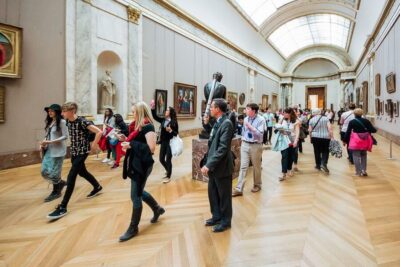 ★ 4.6Louvre Museum Timed-Entrance TicketTickets from $2671,977 guest reviews
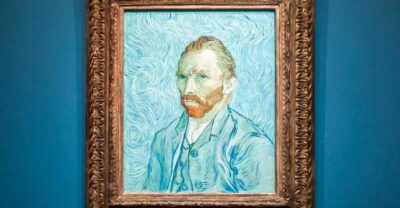 ★ 4.7Orsay Museum Entry TicketTickets from $1525,647 guest reviews
 ★ 4.5Louvre Museum Masterpieces Guided Tour with AccessTickets from $8612,023 guest reviews
 ★ 4.6Louvre Museum Entry Ticket With Host and River CruiseTickets from $1009,926 guest reviews
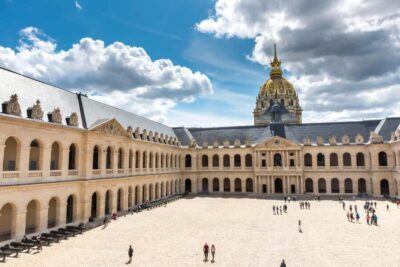 ★ 4.6Les Invalides: Napoleon’s Tomb & Army Museum EntryTickets from $209,185 guest reviews
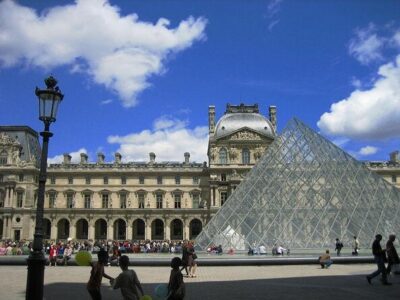 ★ 5.0Louvre Museum – Exclusive Guided Tour (Entry Included)Tickets from $1816,296 guest reviews
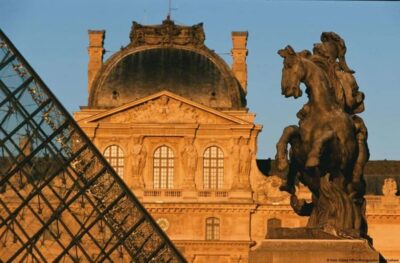 ★ 4.6Louvre Museum Hosted Entry and Mona Lisa AudioguideTickets from $815,235 guest reviews
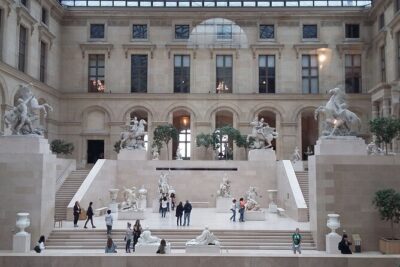 ★ 4.7Louvre Museum Tour Mona Lisa & Iconic MasterpiecesTickets from $794,536 guest reviews
This tour also belongs to