
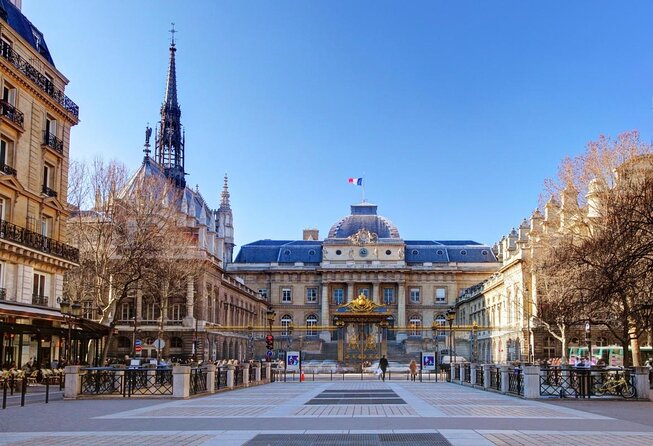
Review · PARIS
Family escape Game with kids and teens on the Île de la Cité
A family game that feels like sightseeing with a mission. This escape-style walk on Île de la Cité turns Notre Dame area landmarks into questions, riddles, and short educational challenges for kids and teens. I like that it is designed to keep attention while still giving your family a reason to look up, read details, and move around together.
What I really like most is the way it mixes learning and play, with missions that touch history, painting, and architecture, plus skills like arithmetic and French. The other strong point is the guide as a photographer, who can take photos for free if you want them, so your Paris walk ends with something tangible.
One possible drawback to plan for: the riddles can be challenging, and one review specifically flagged difficulty, plus a problem with English being a barrier for their family. If your kids struggle with word-based puzzles or language-heavy clues, you may want to pick the age version that fits, and come ready for teamwork.
Key points before you go
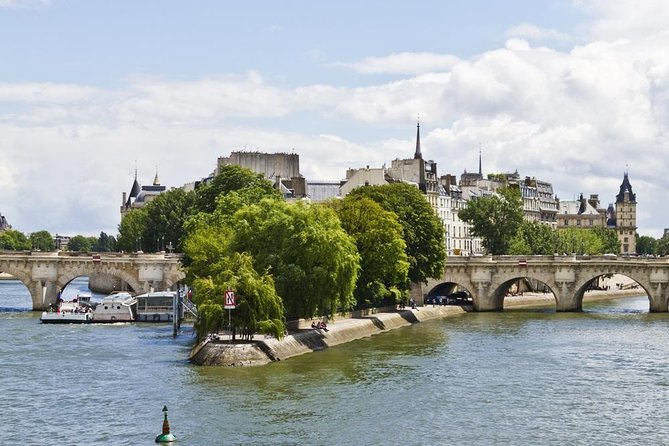
- Starts at Pont Neuf (Henri IV statue) for an easy, central meet-up in the heart of Paris
- 2-hour mission format keeps energy high and makes it workable even on busy days
- Designed for ages 3 to teens, with multiple versions of the game
- Play + learning, including history, painting, architecture, arithmetic, and French
- Free photo help from the guide, if you want pictures during the game
- One big caution, some families may find the riddles too hard or language-heavy
Why this Paris family game works on Île de la Cité
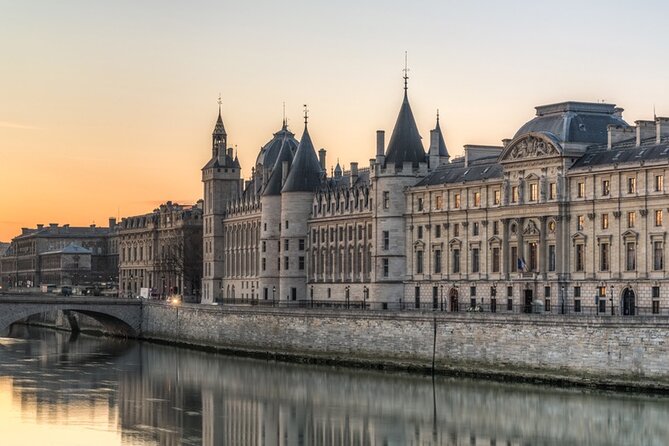
Paris can be overwhelming with kids. This is one of those rare activities that gives you a clear purpose for being in the right place at the right time. Instead of standing around while everyone waits for adults to finish reading plaques, your group works through missions.
The setting is a big part of the appeal. Île de la Cité is where you feel the weight of classic Paris. And because the game points you toward the Notre Dame area and other island surroundings, you get a natural route for “learning while walking,” without turning it into a lecture.
It also helps that it is built for different ages. The game was created with input from a mother and an associate professor, plus three children. That background matters because it suggests the puzzles were tested with real family needs, not just adult design.
You can also read our reviews of more tours and experiences in Paris.



Meeting point: Pont Neuf and the Henri IV statue
You meet at the Equestrian Statue of Henri IV, at 15 Pl. du Pont Neuf, 75001 Paris. The activity also ends back at the same meeting point. I like meeting points that return you to where you started, especially with families. It saves time, lowers stress, and you can plan your next meal or metro transfer without guesswork.
This spot is also a practical choice for a “2-hour window” day. You are central, public-transport friendly, and you are already positioned for the Île de la Cité area.
Tip: arrive a few minutes early. With a mobile ticket and a game format, you want time to check in and get your bearings before the puzzles start.
What the 2-hour mission actually feels like
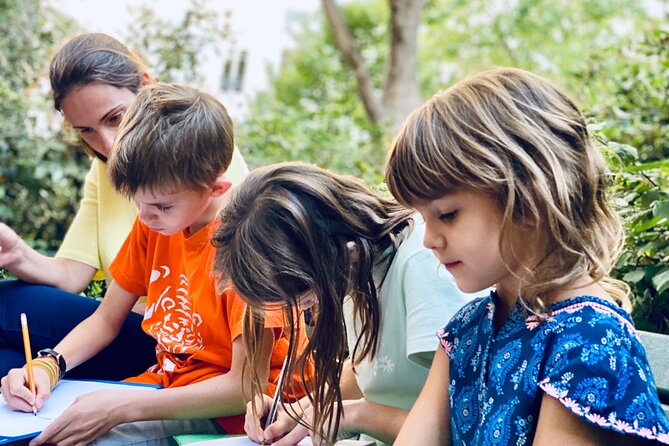
The whole experience runs about 2 hours. That length is ideal for mixed ages. Kids can stay engaged without feeling trapped, and teens have enough time to feel like the challenge matters.
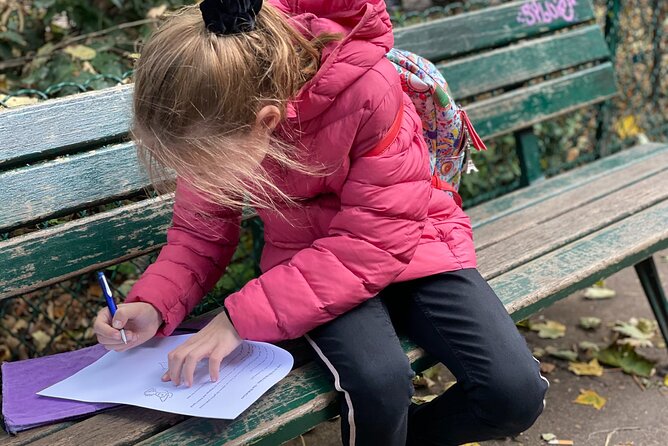
Your children take on the core role: answering questions, solving riddles, and completing educational games. The adult role is supportive. Think of it as “team leader by default.” You are there to help read, interpret, and keep the group moving when a clue gets stubborn.
The game includes a gift as the goal at the end. In one review, the reward was described as delicious, which is the kind of detail that turns a normal walk into a real finish line.
Expect a back-and-forth rhythm:
- You pause, read a clue, and interpret what it is asking
- You solve together, then move to the next challenge
- You check progress as you go, because the game is built to guide you along the island
The learning part: history, art, architecture, math, and French
This is not “fun facts” sprinkled on top. The design goal is learning through play. Your kids practice skills across multiple subjects:
- history
- painting
- architecture
- arithmetic
- French
I like this spread because it reduces the odds that the game will feel like one long type of puzzle. Some kids shine with numbers. Others grab onto language. Others respond to visual details like shapes, styles, or building features.
One review praised the experience as educational for a 13-year-old daughter, and said they explored around the island while having fun. That is the sweet spot. You are not only checking boxes at famous sites, you are actually noticing details while solving.
The Notre Dame area: why the location is more than a backdrop
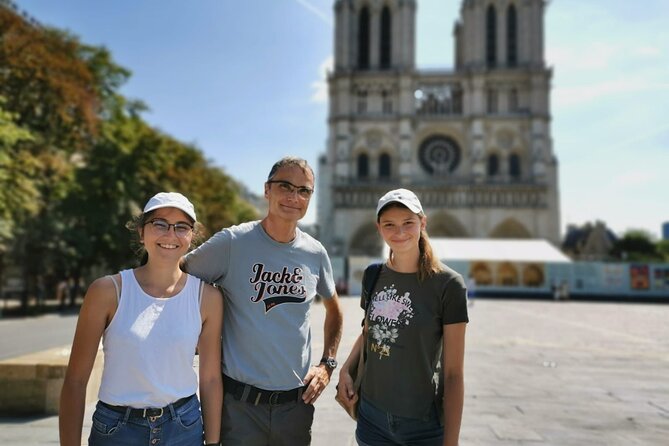
Notre Dame is the headline, but the smart part is how the game uses the area as a puzzle board. When the setting is relevant, your kids want answers. They look for details because they need them.
You can also treat this as a “first taste” of the neighborhood. If you have never spent serious time around Île de la Cité, this game helps you get oriented fast. You learn the “shape” of the space by moving through it in a structured way.
One potential downside of focusing on riddles around major landmarks: if the puzzles are too hard for your group, you might lose some of that sightseeing pleasure. In other words, the location helps, but the game level matters.



The guide as photographer: free pictures without extra hassle
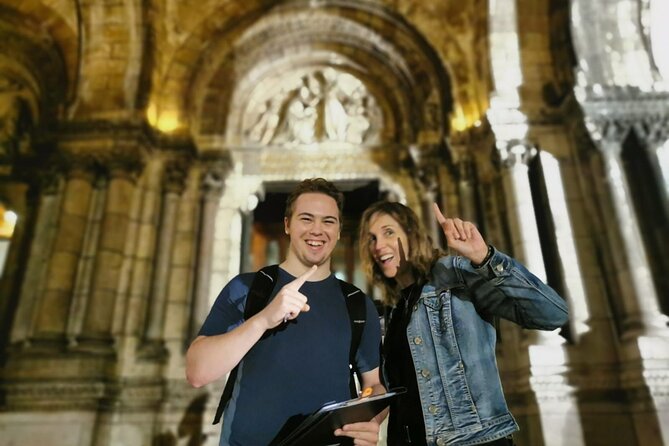
You get a host who is also a photographer. That means you are not just chasing selfies and hoping someone catches your group in a good moment. If you want pictures, the guide can take them for free.
This is genuinely useful for families. Kids usually move. Adults usually blink. A guide who expects that movement can help you get better shots without turning the day into a production.
If you care about photos, decide early. If you want pictures, ask for them during the game rather than waiting for the end. You will have better chances when everyone is still in “mission mode.”
Game versions and difficulty: matching your kids’ age and pace
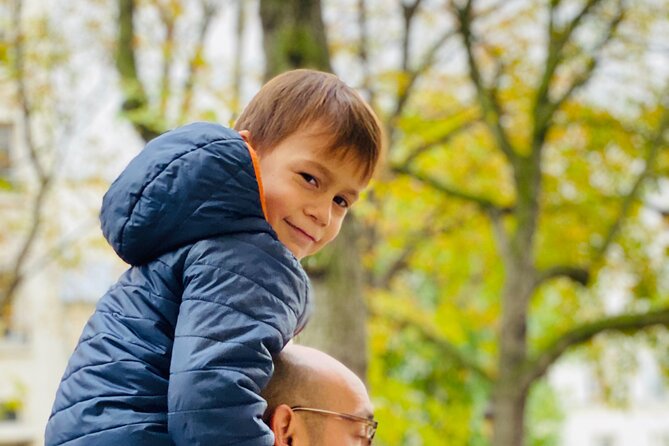
The activity has several versions of the game and is aimed at kids from 3 years old up to teenagers. That is a key detail for choosing the right fit. A 5-year-old and a 15-year-old will handle the same subject matter very differently.
The best evidence for this is the range of feedback:
- Positive reviews highlight fun, education, and challenge that kids and teens enjoy
- One critical review said it was far too hard, not fun, and that English was a barrier
So here is the practical approach: choose the version that matches your kids’ comfort with reading, puzzles, and language. If your family is more comfortable with numbers and visuals than text, you may have a better time with an easier tier.
Also, go in with a team mindset. Even if you cannot solve every riddle instantly, you still get the walk and the learning prompts.
Value and price: is $39.13 per person worth it?
At $39.13 per person for roughly 2 hours, this sits in the “mid-price” zone for family activities in central Paris. The value case is the mix of things included:
- a guided game format with missions
- educational content tied to the environment
- a gift at the end
- free photo help from the guide if you want it
- a mobile ticket
If your day includes a museum or a pricey attraction, this is a cheaper way to get “Paris learning” without spending extra time buying multiple tickets. And because it is designed for mixed ages, it can replace the usual problem where one child wants one thing and another child wants something else.
One watch-out: because it is puzzle-based, if your kids do not enjoy riddle hunts, you might feel the price more sharply. The best use of this ticket is when your family likes teamwork, clues, and a clear finish goal.
Who should book this family escape game
This is a strong match if:
- you are traveling with kids and teens who enjoy games
- you want a structured way to explore near Notre Dame without long waits
- you like the idea of learning through active tasks, not just watching adults read
- you want free help getting photos while you walk
It may be a tougher match if:
- your family struggles with English word puzzles (one review called this out)
- your kids get frustrated quickly with difficult challenges
- your group prefers relaxed sightseeing with minimal problem-solving
Planning tips that make the experience smoother
Here are a few practical things that can help your family enjoy the full 2 hours.
First, manage expectations: it is an activity with missions, not just a guided tour. That means some parts feel like a school exercise, but presented as a game.
Second, come with patience for the puzzle tempo. The best reviews describe the game as entertaining and challenging in a good way. That balance depends on how quickly your group can decode clues.
Third, if you are trying to fit it into a busy itinerary, book ahead. On average, it is booked about 8 days in advance, and it is smart to secure your slot so you do not end up scrambling.
Fourth, dress for walking. The experience is short, but the whole point is moving through the area and completing tasks.
FAQ
FAQ
How long is the family escape game?
The experience runs for about 2 hours (approx.).
Where do we meet and where does it end?
You start at the Equestrian Statue of Henri IV, 15 Pl. du Pont Neuf, 75001 Paris. The activity ends back at the same meeting point.
What ages is this game for?
It is designed for children and teens, with versions suitable for ages from 3 years old up to teenagers.
Is the ticket mobile?
Yes. You get a mobile ticket.
Does the guide take photos?
Yes. The guide is also a photographer and can take photos for free if you want.
Can we get a full refund if plans change?
Free cancellation is available. You can cancel up to 24 hours in advance for a full refund.
Should you book this on your next Paris family day?
If your family likes games and you want a fun way to explore near Notre Dame and around Île de la Cité, I think this is worth serious consideration. The biggest strength is the pairing of active puzzle-solving with educational themes, plus the free photo option that helps families end the day with better memories.
Just be smart about expectations. If your kids are sensitive to hard riddles or language-heavy clues, pick the right game version and go in as a team. When the challenge level fits, the payoff is exactly what you want on vacation: a walk that feels like an adventure, not a chore.











