
Review · PARIS FOOD & WINE TOURS
Paris: The Ultimate Wine and Cheese Tasting in English
Wine and cheese learning, without the snootiness. This Paris tasting at Les Caves du Louvre turns French wine and cheese into a guided, English-friendly lesson, with real pairing practice. In just 2 hours, you sample 10 wines matched to 10 cheeses, while your expert connects what is in your glass to where it comes from.
I like two things most: you taste a spread of styles across 5 whites and 5 reds, and you get the pairing logic explained in plain terms. The session also covers French AOP and the practical techniques for choosing wine and matching it to cheese.
One key consideration is logistics. There is no hotel pickup and drop-off, and the class does not include non-alcoholic beverages, so plan accordingly.
Key points to know before you go
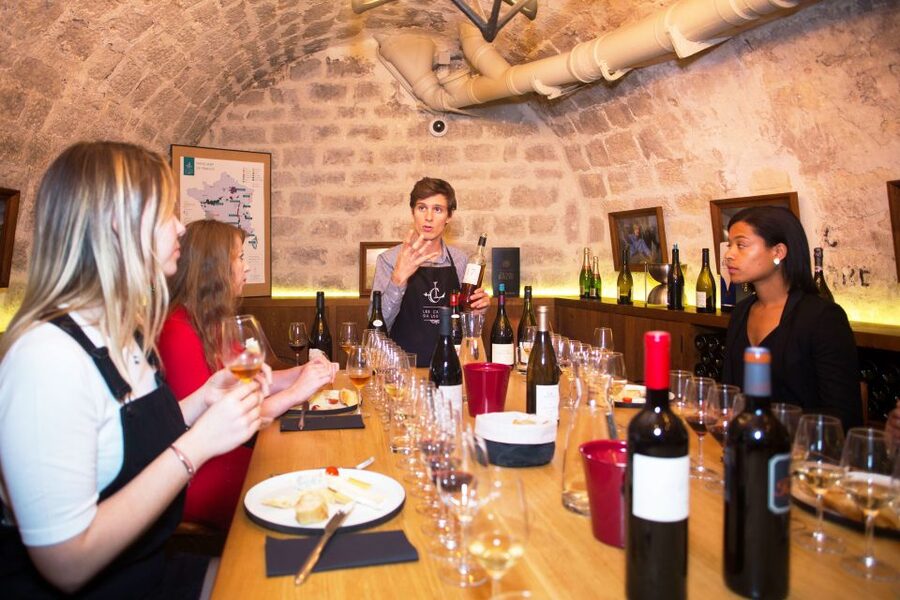
- 10 wines paired with 10 cheeses: half white, half red, so you get a full style sweep.
- Major French regions in one sitting: Bordeaux, Burgundy, and the Rhone Valley show up in the lineup.
- AOP explained during the tasting: you learn what the label system means as you taste.
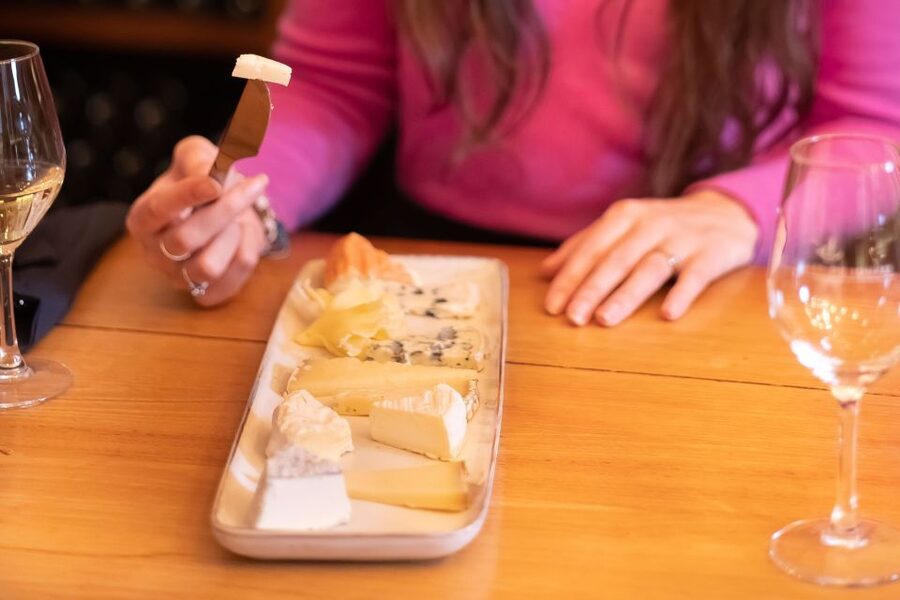
- Cheese variety across France: Brie, blue cheese, and fresh goat cheese from the Loire Valley are part of the mix.
- English instruction from a wine expert: named instructors in past sessions include Justan, Alexis, and Clemant.
- Seasonal changes may happen: the lineup can shift, so repeat visits can still feel fresh.
Paris, but make it wine-and-cheese practical
Paris has no shortage of wine tastings. The hard part is finding one that teaches you something, not just pours a flight and hopes you remember the labels. This experience is built around a structured pairing method, so you taste with a purpose.
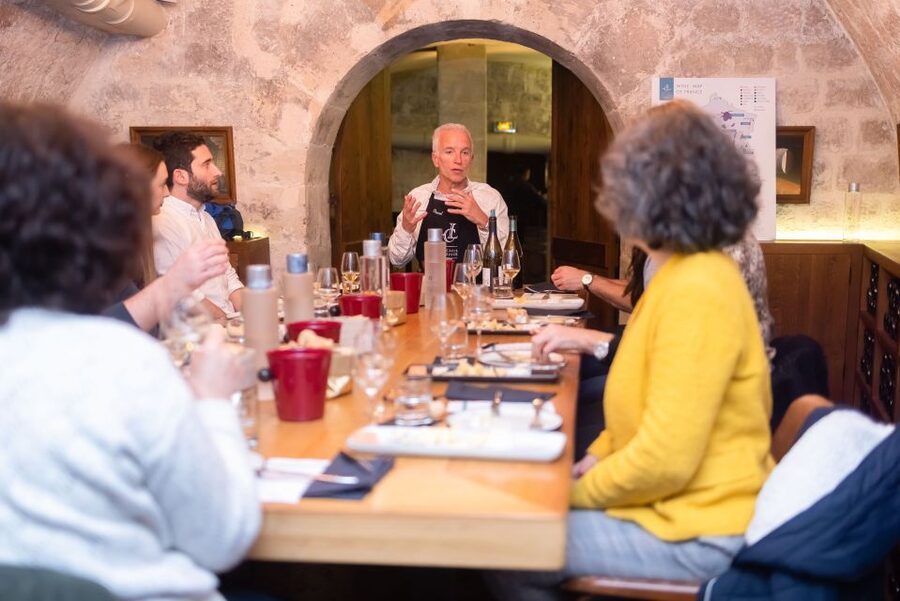
You meet inside a cellar setting at Les Caves du Louvre, and that matters more than it sounds. The tone is relaxed, but you are in the right environment to focus. You are not wandering between rooms guessing what goes with what. Instead, the session is designed as a guided flight of 10 wines and 10 cheeses, paired in a way that helps your palate learn faster.
Also, this one is in English, which changes the whole experience. French wine can get jargon-heavy fast. Here, you get terms like AOP explained while you taste, not after the fact.
You can also read our reviews of more food & drink experiences in Paris


The 2-hour flow: what you will taste and when to pay attention
The total time is 2 hours, which is long enough to learn but short enough to keep the brain switched on. You start with an introduction to the wine selection and the tasting approach. Expect your expert to frame the theme as French terroir, meaning the way growing conditions and soil influence taste.
From there, the tasting is paced around the wine list:
- You will taste 5 white wines and 5 red wines.
- The lineup aims to represent major French regions, including Bordeaux, Burgundy, and the Rhone Valley.
On the cheese side, you are not limited to a single “safe” choice. The pairing set includes cheeses such as:
- Brie
- Blue cheese
- Fresh goat cheese from the Loire Valley
Here is what to do during the pairing portion. Take a second between each pour to reset your palate. Ask yourself one simple question each time: does the wine make the cheese taste better, or does the cheese make the wine taste better? That is the core skill this kind of tasting is trying to teach you.
A small heads up: you will taste alcohol, and the non-alcoholic option is not included. If you want water throughout, you can still hydrate, but you should not assume a non-alcoholic beverage is part of the package.
10 wines and 10 cheeses, paired with logic (not random)
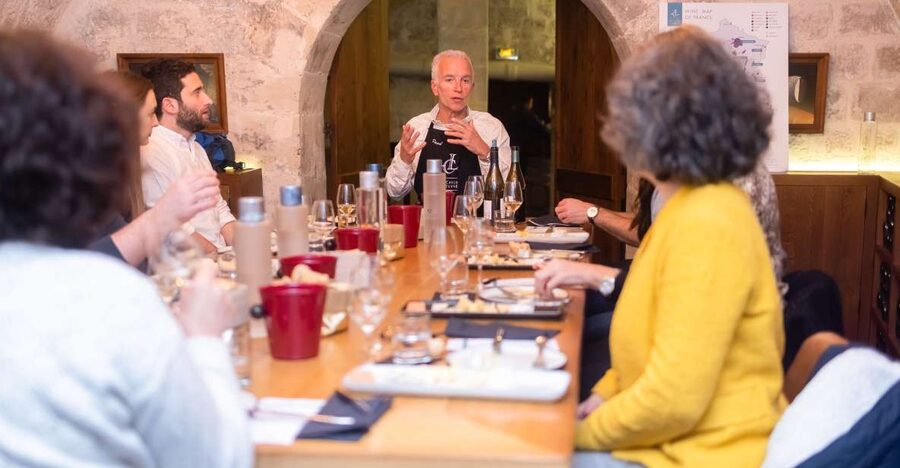
A lot of wine-and-cheese tastings feel like a buffet with commentary. This one is closer to a training session. The pairing is the lesson plan.
Why that matters: when wine and cheese are paired well, you can taste how flavors interact. You start to notice patterns, like how acidity can cut through creamy textures, or how strong flavors in cheese can change the way a wine reads on your tongue. Once you can sense those patterns, you start choosing better combinations at home or at a shop.
The best part is that the pairing is not just about taste. Your English wine expert also talks you through how to choose wine and how to pair it with cheese. That includes:
- tasting techniques
- what to look for in French wine styles
- how to think about pairing beyond guesswork
In past sessions led by guides such as Justan, Alexis, and Clemant, the explanations stood out for going beyond surface-level tips. The conversation often connects what you taste to the region and the growing conditions behind it, including soil types and production factors. If you enjoy understanding why something tastes the way it does, this structure will feel satisfying, not just fun.
Bordeaux, Burgundy, Rhone Valley, and the terroir you can taste
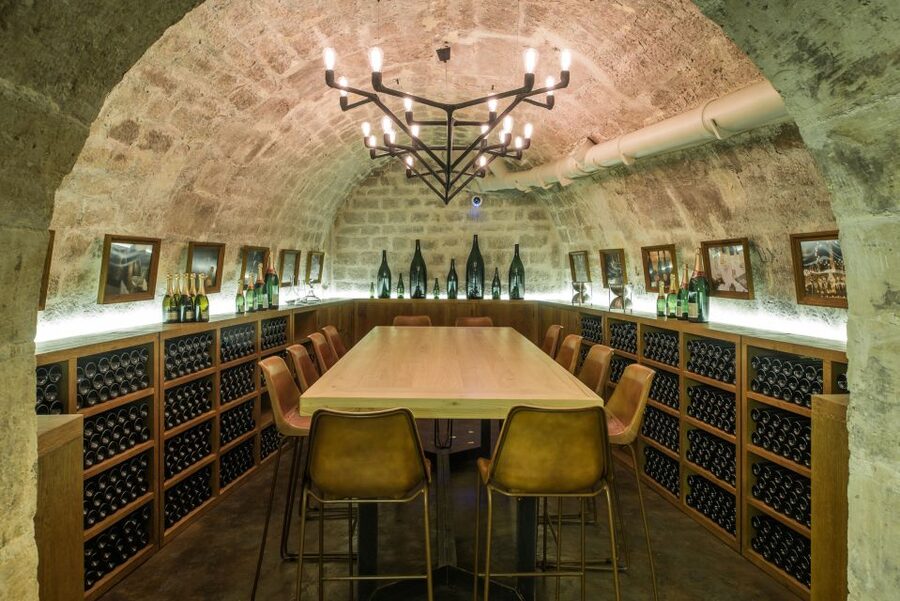
French wine gets easier when you stop treating it like a mystery. This tasting is designed to make terroir feel tangible.
You will go around some of France’s most prestigious wine regions through the wines you drink:
- Bordeaux
- Burgundy
- the Rhone Valley
Even if you are not a wine nerd, learning how a region tends to taste gives you a shortcut for future purchases. Bordeaux is often read through structure and balance. Burgundy can feel more nuanced and grape-driven. The Rhone Valley can cover a range, often with warmer-climate character. You will not memorize a textbook here. You learn by tasting alongside an explanation, which sticks.
Terroir is the bridge between the bottle and the land. Your expert ties French wine to the conditions that shape it, including growth conditions and soil types. That kind of context helps you connect flavor to origin, so the next bottle is not a gamble.
Brie, blue, and Loire goat: why the cheese lineup is key
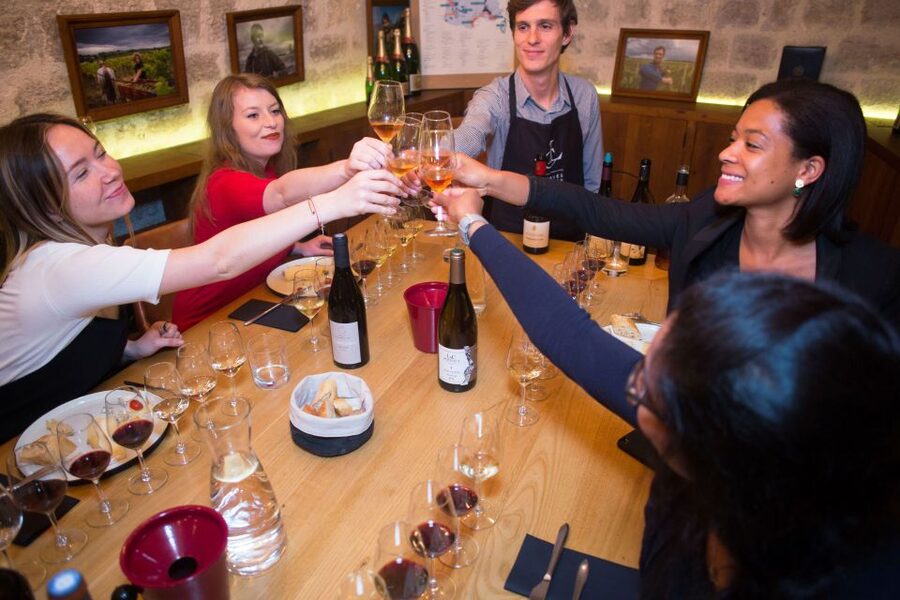
Cheese is where a lot of wine tastings start to fail, because many tastings lean on the same few mild options. This one does not.
You are tasting a mix that forces your palate to adapt:
- Brie brings creamy softness and buttery depth.
- Blue cheese brings intensity and saltiness, which changes how tannins and acidity feel.
- Fresh goat cheese from the Loire Valley brings tang and a distinct, cleaner edge.
That variety is not accidental. It is what makes the pairing lesson useful. If you only tasted mild cheeses, you could end up thinking wine pairings are easy. With brie, blue, and goat cheese in the mix, you learn what works when the cheese is powerful and when it is delicate.
A practical tip: if you are the type of person who says, I do not really like cheese, do not skip this because of that. The range matters. The pairing set includes enough diversity that you are likely to find at least one cheese and wine combination that clicks for your taste.
You can also read our reviews of more wine tours in Paris




AOP: what the label system means while you taste
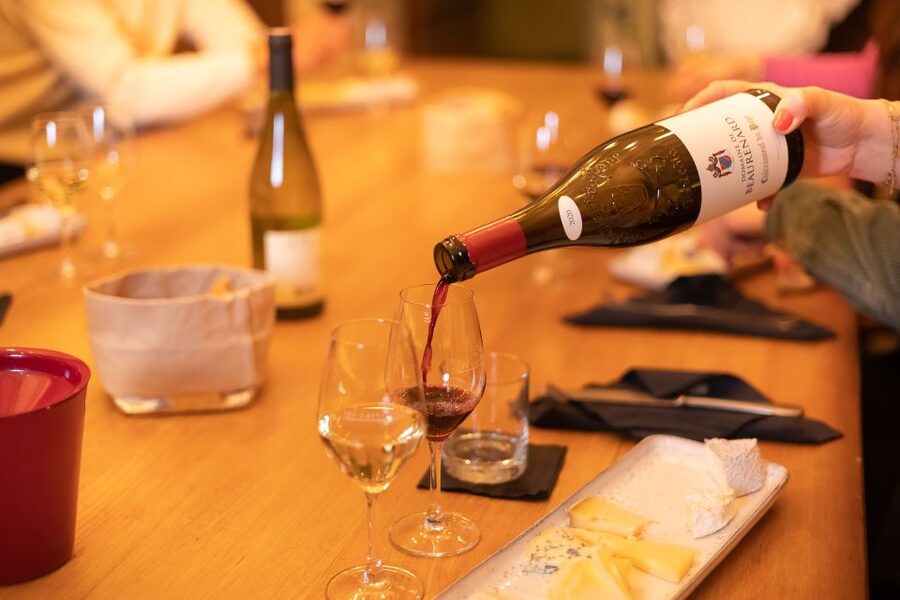
French labels can feel like code. The good news is you do not need to decode everything to enjoy wine. Still, understanding AOP helps you buy with confidence later.
During the tasting, you will learn about AOP as part of the overall lesson. Think of it as the French regulation system that governs how products are made and what qualifies under regional rules. Why it matters: it gives you a way to trust the quality framework behind the wine or cheese, rather than relying only on branding.
In a paired tasting format, AOP becomes more than an acronym. It becomes a practical lens. When your expert connects label structure to style, you taste the difference and understand what you are buying.
The tasting room vibe at Les Caves du Louvre
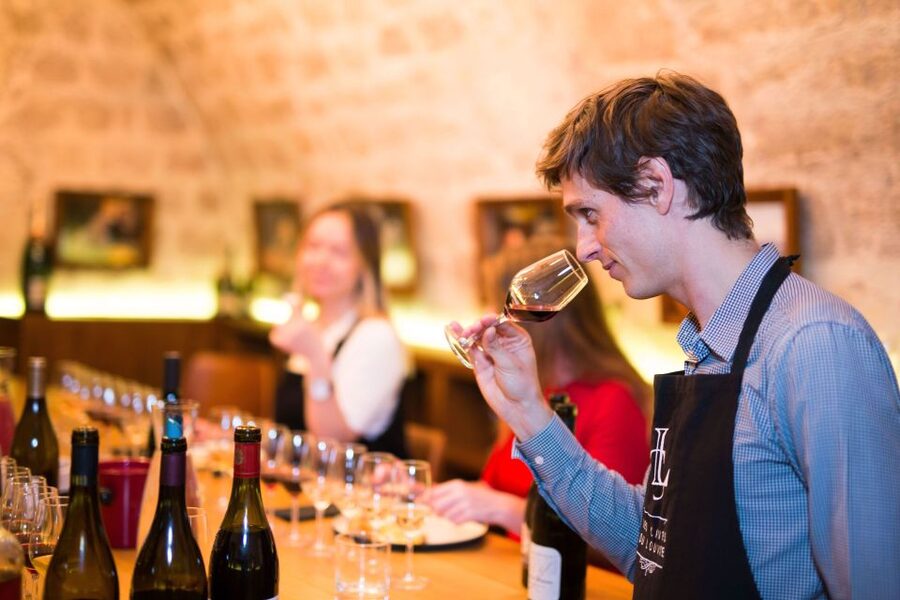
Atmosphere is not just decoration. It affects your attention span.
The highlights emphasize the stunning tasting room and the fact that you enter the cellar as part of the experience. That kind of setting helps keep the tone intimate and focused. You are more likely to ask questions, and your expert is more likely to tailor explanations to what you actually care about.
Because the class is in English and led by a wine professional, it also tends to feel welcoming rather than intimidating. Based on prior instructor feedback shared from past sessions, the experts make space for questions and answer them clearly, including when people ask about regions, grape varietals, and growing conditions.
One more benefit: the tasting is explicitly built around paired learning. That usually means the room is not chaotic. You are guided step by step through the tasting set of 10 wines and 10 cheeses instead of being left to figure it out.
Cost and value: is $128 per person a good deal?
At $128 per person for a 2-hour class, the price can feel steep at first glance, until you break down what you actually get.
Here is what is included:
- entry into the cellar
- a 2-hour tasting class
- an English wine expert
- tasting of 10 wines
- tasting of 10 cheeses
You are not just paying for alcohol and cheese. You are paying for time with an expert plus structured pairing instruction. That is why it can be good value, especially if you want to learn rather than just snack.
Also, you will taste across multiple regions rather than repeating one style. The combination of wines and cheeses is the real product here. If you have ever bought a couple of bottles and a cheese board and still left feeling confused about pairings, this format pays off by teaching you how to think.
The main reason people may feel the cost is not worth it is if they expect a passive experience. This is a tasting class, not a free pour and wander. If you want a hands-on approach, you will likely feel the value immediately.
Who this tasting is perfect for, and who should skip it
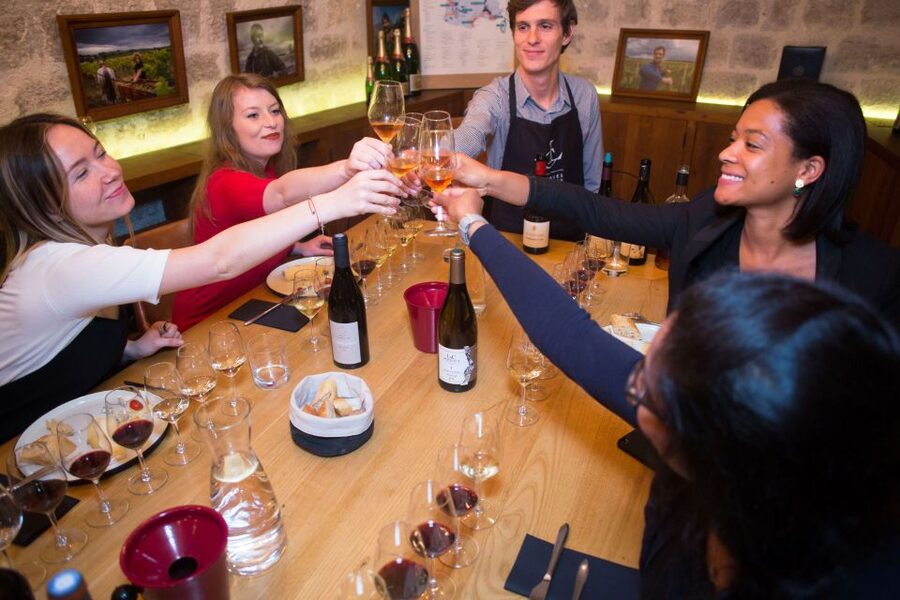
This one is a strong match for:
- English speakers who want wine and cheese explained clearly
- people who like structured tastings and want to learn why pairings work
- visitors who want a quick overview of French styles across Bordeaux, Burgundy, and the Rhone Valley
- couples and small groups who want a focused activity that still feels special
It is not the best match for:
- anyone who needs hotel pickup and drop-off, since it is not included
- people under 18, since it is not suitable for children under 18
- anyone who strongly relies on non-alcoholic beverages, since those are not included
If you are on the fence, think about your goal. If your goal is learning how to pair wine and cheese like a confident shopper, this fits. If your goal is a light social drinking moment, you might prefer something less structured.
Tips to get the most from your 10-and-10 pairing
You can improve the outcome in simple ways.
First, go with one learning goal in mind. For example, you might want to understand what makes a red taste good with blue cheese, or which white styles handle creamy cheeses without flattening the flavor.
Second, pace your attention. Do not try to memorize everything your expert says. Focus on one pattern per pairing. That is enough.
Third, pay attention to how the expert frames the connection between regions and taste. When the wine and cheese are explained through terroir and AOP, you will start seeing labels differently when you shop later.
Finally, be ready for variety. The cheese lineup includes mild and bold flavors, and the wine lineup includes both whites and reds. That range is the point.
Should you book Paris: The Ultimate Wine and Cheese Tasting in English?
I would book it if you want a guided, English-led tasting that actually teaches you how to pair. The biggest strength is the structure: 10 wines and 10 cheeses, half whites and half reds, tied to French regions and explained through terroir and AOP. Add in the cellar setting at Les Caves du Louvre, and it becomes a standout Paris activity that still feels approachable.
I would pause if you need hotel pickup, or if non-alcoholic beverages are essential to you. Also, if you hate cheese in general, check your own comfort level with a lineup that includes brie, blue cheese, and fresh goat cheese.
If you fit the “learn and taste” style, this is the kind of tour that leaves you with more than memories. It leaves you with a method.
FAQ
How long is the Paris wine and cheese tasting class?
The tasting class lasts 2 hours.
How many wines and cheeses will I taste?
You will taste 10 wines and 10 cheeses.
What languages are available for the instructor?
The instructor provides the experience in English.
Is this experience suitable for children?
No. It is not suitable for children under 18.
Is hotel pickup and drop-off included?
No. Hotel pickup and drop-off is not included.
Are non-alcoholic beverages included?
No. A non-alcoholic beverage is not included.
More Wine Tours in Paris
More Food & Drink Experiences in Paris

More Tour Reviews in Paris


Not for you? Here's more nearby things to do in Paris we have reviewed






Paris Food & Wine Tours, side by side.
 ★ 5.0Authentic Parisian Gourmet Food Tour with 10 Local Dishes & WinesTickets from $1024,754 guest reviews
 ★ 5.0Devour Paris Ultimate Food TourTickets from $1432,087 guest reviews
 ★ 5.0Private Montmartre Food Tour with Wine, Cheese & PastriesTickets from $3021,027 guest reviews
 ★ 5.0Paris Le Marais Food Tour With 10+ Tastings, Cheese, Wine & MoreTickets from $102985 guest reviews
 ★ 5.0Paris Montmartre Food Tour – A Full French Meal by Do Eat BetterTickets from $95877 guest reviews
 ★ 4.9Wine and Cheese LunchTickets from $100596 guest reviews
 ★ 5.0A Morning in Paris Food Tour: Croissants, Baguettes & ChocolateTickets from $125556 guest reviews
 ★ 5.0Paris St Germain Food Tour with Cheeses, Foie Gras, Wines & MoreTickets from $170401 guest reviews
This tour also belongs to