
Review · PARIS CITY TOURS
Paris: Plein Air Sketching Course, Drawing & Watercolor
Paris changes the way you draw.
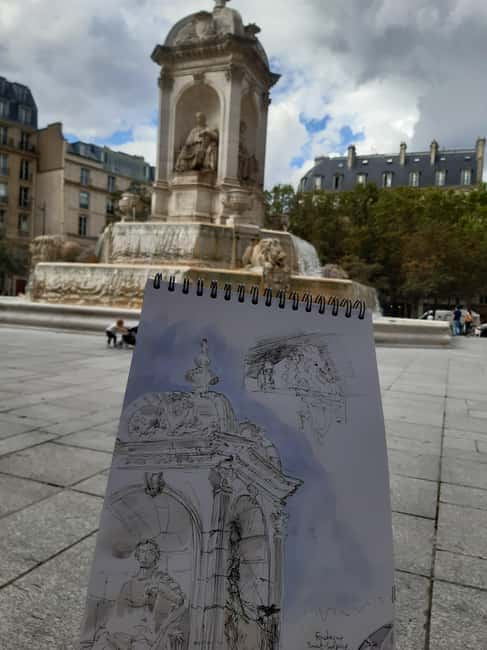
You start with professional plein air teaching from artist Pauline Fraisse, then practice composition, perspective, and figure drawing right in the streets. The class also welcomes both beginners and more experienced artists in the same small group. One watch out: if it is extremely hot or bad weather, the plan can shift and the session may move to the studio, so it is not always guaranteed to be fully outdoors.
I like that this is not a lecture. You walk, sit, and draw, with guidance that helps you make choices fast. It runs in a group of 3 to 6 in a different neighborhood each week, and Pauline uses both French and English so you are not stuck if your French is rusty.
Key highlights you will actually feel during the class
- Small group size (3 to 6) means you get real attention, not just a quick check-in.
- Beginner friendly, skill building: you can learn fundamentals like proportion and perspective at your pace.
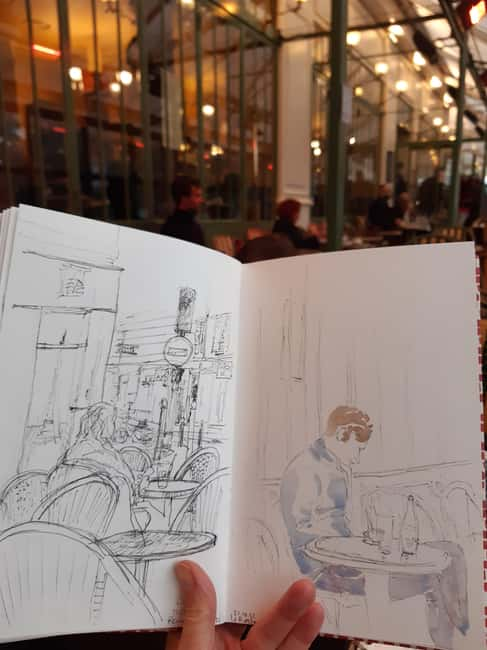
- Café start at 9:30 AM: you begin drawing immediately, then move around the neighborhood depending on weather.
- French and English teaching: mixed language groups are handled smoothly.
- Weather plan built in: if conditions are rough, you may work indoors, including café style options.
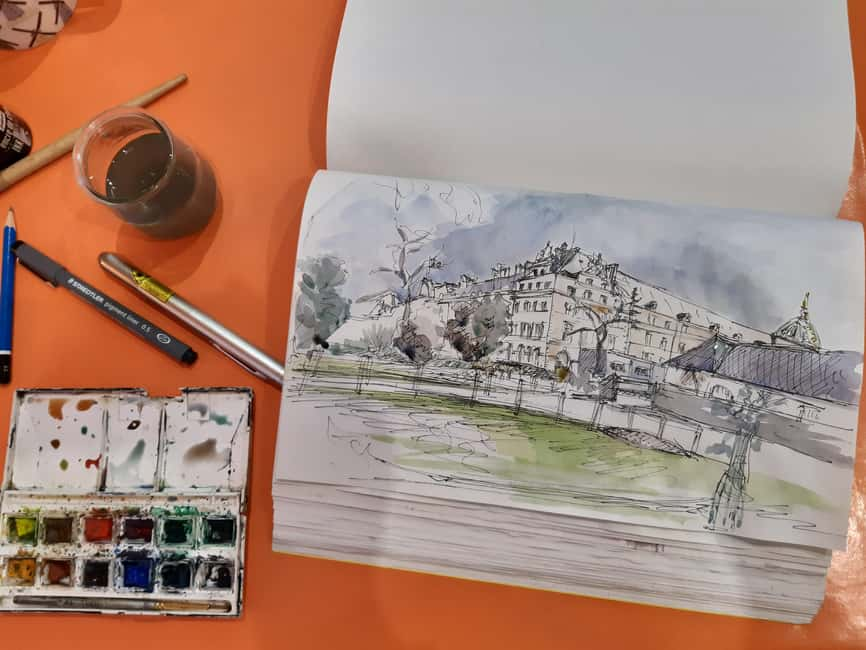
- Hands-on watercolor and ink options: you can keep it simple or add pen, ink, and color.
Why plein air sketching in Paris feels different than a studio class
Paris is great at getting in your head. The buildings, shadows, and street angles can look complicated in real life, which is exactly why plein air works so well for drawing. In this class, you are not just copying a postcard. You are learning how to see, measure, and place what you notice, quickly.
I like that the focus is practical. You work on things like composition and perspective, plus figure drawing skills if that is part of the practice. That matters because studio sessions can sometimes feel like one more task. Here, the streets give you constant reference points, and your sketch improves because you keep making small decisions.
The other big plus is the vibe. You get to draw in public, but you are not on display like an art show. You are part of a small group with a teacher who guides the how, not just the what.
You can also read our reviews of more tours and experiences in Paris.

Meeting Pauline at 9:30 AM in a different Paris neighborhood
The day starts with a clear rhythm. You meet at 9:30 AM at a café, and Pauline will be easy to spot because she is blond with mid-long hair and holds a sketchbook so you can recognize her.
The neighborhood changes week to week, and you get the exact meeting point by email a few days before the workshop. If that email does not arrive, you are meant to contact Pauline. This is one of those small details that makes or breaks your day, because arriving at the wrong café is a real time sink in Paris.
The class runs with walking in mind. You should plan on some walking and sitting on benches, the floor, or standing while you draw. So if you normally prefer a museum chair and a straight timeline, this might feel more active than you expect.
The 3 hour sketching flow: cafe warm up, then street practice
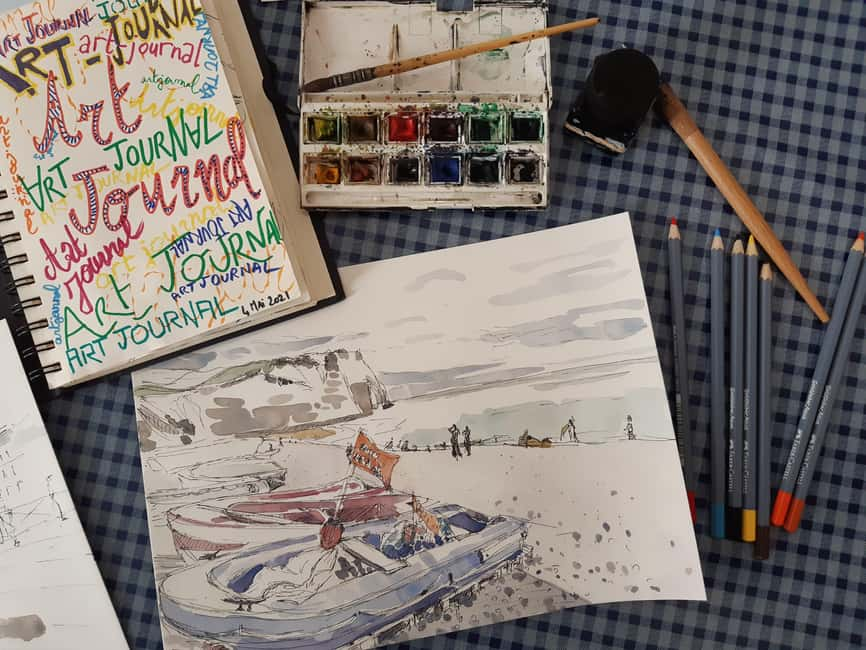
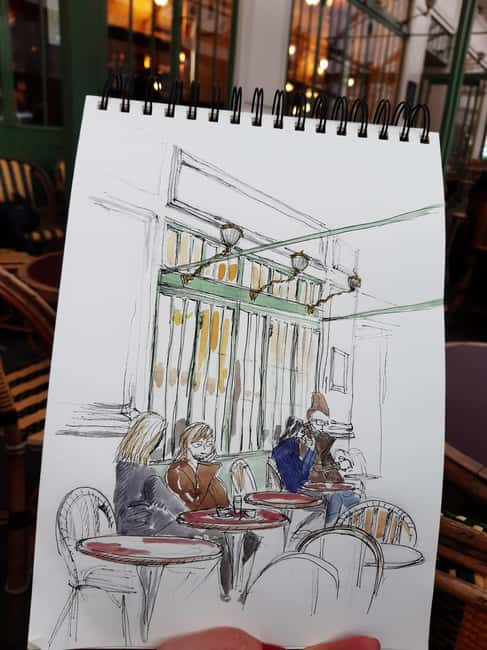
You start by drawing at the meeting café. That first stage is important because it helps you get set up, test your pen, and get used to sketching quickly in real conditions. It also lets you settle into the group dynamic, watch what Pauline expects, and get feedback early.
After that, you leave to draw around the neighborhood. In nicer conditions, you will sketch street scenes and details at multiple spots. In colder weather, the plan may adjust so you can keep working at cafés rather than constantly out in the elements. The point is steady practice, not endurance.
Weather can also trigger bigger changes. If there is high heat or extremely bad weather, the class is likely transferred to the studio. I think this is a smart safety approach, but it is also the main reason to keep your expectations flexible if you are booking specifically for the outdoor experience.
If rain or wind shows up, you might still end up working in a café setting. One example that comes up is a café-like location in a boat setting, which makes it possible to draw comfortably without getting soaked. The broader idea is that Pauline adapts the environment so you keep drawing.
Instruction that works for beginners and for more practiced sketchers
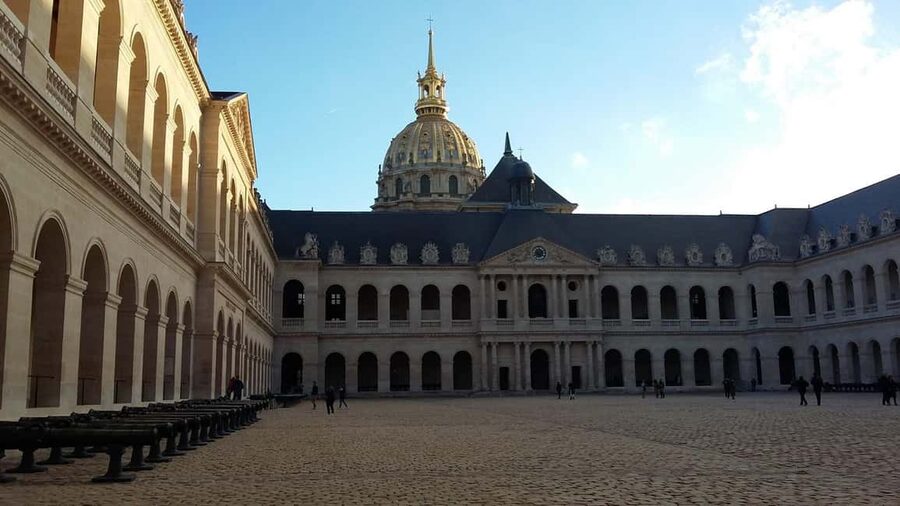
This class is built for mixed levels. That is a huge deal, because plein air can be intimidating if you feel behind. The teaching is designed so you can learn at your level while staying in the same group.
For beginners, the core value is getting over the stuck feeling. You practice how to place shapes, manage proportion, and build a sketch that looks like something, even if it is not perfect. Pauline’s guidance also includes techniques for composition and perspective, plus support for figure drawing when the exercise turns that way.
For experienced artists, you are not being babysat. The session still pushes you to make choices and refine skills like proportion and perspective. You may also work with different tools, including ink pens, which can help you sketch with confidence and speed instead of over-drafting.
One practical teaching habit I appreciate is how Pauline manages mixed French and English in the same group. If you have half your group comfortable in one language and half in the other, it can turn into chaos. Here, the instruction is set up so everyone feels included, and exercises still land clearly.
What you will draw: composition, perspective, proportion, and figures
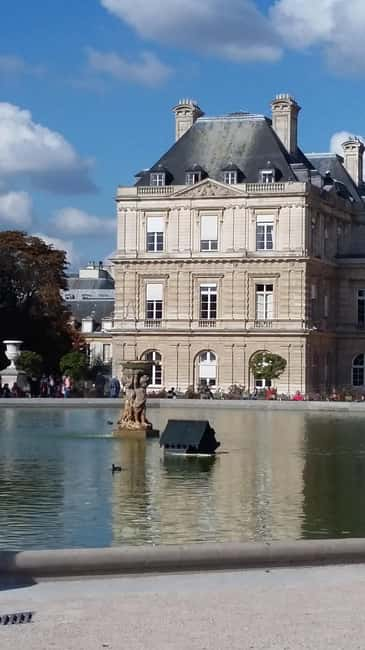
The class is aimed at helping you improve on a few high impact sketching skills:
- Composition: learning what to include, what to crop, and how to arrange the scene so it reads well.
- Perspective: understanding angles and depth so buildings and streets do not collapse.
- Perspective and proportion: especially practical when you are sketching people or street details.
- Figure drawing techniques: you may work on human form and proportions, depending on what the exercise focuses on that week.
What makes this valuable is that you get practice under real viewing conditions. In Paris, light changes fast, people move, and details shift. The teacher’s job is to help you simplify without losing accuracy.
So instead of chasing every detail, you learn how to capture the structure. That is the difference between a sketch that looks like a record and a sketch that looks like you understood the scene.
Supplies you should bring (and how to travel lighter than you think)
Art supplies are not included in the price. You can buy what you need from Pauline’s website, and you can order up to 5 working days before class. There are also art supply store suggestions listed in the FAQs, but since you are in Paris, it is often easiest to just prep beforehand.
If you want a solid baseline kit, here is what the class expects you to bring:
- Paper sketchbook, A4 or standard photocopy size works well
- Watercolor box
- Small water jar with lid
- Watercolor paint brush
- Rag or kitchen paper
- Pencil(s) and pencil sharpener
- Water-resistant black pen, for example a Pigma Micron pen
Optional additions can include:
- Nib holder, nib, and India ink
- Felt pens
- Color pencils
- Glue stick
You also want to pack for comfort and visibility. Bring sunglasses, hats, and sunscreen. In winter, bring warm layers. You will be walking and sitting, so wear comfortable shoes, and bring a water bottle.
If you are trying to travel light, you can still sketch well without going ultra fancy. A paper pad, pencil, and a water-resistant pen are a strong start. The watercolor gear is what turns it into a fuller plein air watercolor exercise, but you can keep it simple based on your comfort.
Budget reality check: café stops and possible museum tickets
Plan for spending beyond the $112 class fee. If the session shifts indoors or includes museums, you may need to cover museum entry. You may also want to buy drinks or snacks if you are drawing at a café.
That matters for value. If you are only thinking about the workshop price, you might be surprised. But if you treat the café spending as part of the experience, it feels natural, since drawing from a café makes sense during breaks and weather shifts.
The good news is that the class can remain flexible. If it is cold, you draw at cafés. If conditions change fast, Pauline adapts the location so you still get to work. The practical takeaway for you is simple: bring some cash or a card for café spending and keep a little room in your schedule for indoor alternatives.
Price and value: what $112 buys in a 3 hour small group
At $112 per person for a 3 hour session, you are paying for coached instruction plus a structured plein air plan in Paris. The “value” comes from the small group format, the teacher attention, and the fact that you are practicing core skills like composition and perspective with feedback in real time.
What is not included is the supplies. That is normal for art classes, but it changes how you should budget. If you already travel with a basic sketch kit, the price feels straightforward. If you need to buy everything, you might spend more than the ticket itself unless you order in advance from Pauline’s website or pick up supplies in Paris.
Also, this is not a one-size-fits-all workshop. It is aimed at both beginners and confirmed artists, which is useful if you are booking with a sibling, friend, or parent who has different levels. In a mixed group, Pauline’s job becomes translating the exercises into something each person can do, and that is part of what you are paying for.
How this class connects to Tuesday watercolor studio sessions
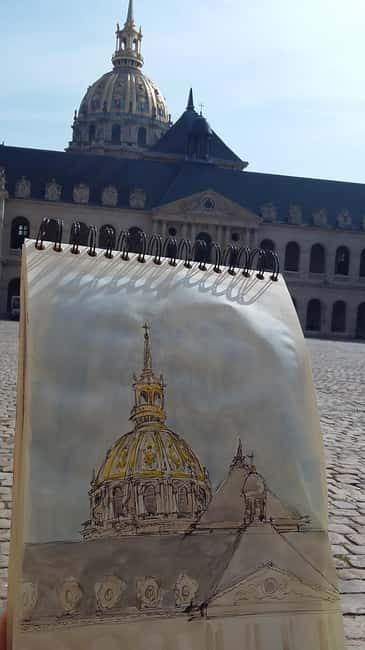
This plein air class can complement a studio option on Tuesdays. Watercolor sketching classes take place at a studio on Tuesdays from 2:30 PM to 4:30 PM.
If you like the outside practice, the studio sessions can help you consolidate the techniques you practiced in the street. It is a smart combo if you want variety: one day you train your eye in changing conditions, and another day you refine your method in a controlled space.
You can also choose to join just one class or return multiple times. Since the neighborhood changes weekly, repeating can give you new visual problems to solve, like different street angles, building styles, and lighting moods.
Who should book this, and who might want to think twice
This is a great fit if you want a hands-on art experience in Paris without needing to be an expert. You will probably enjoy it if you like drawing, want to build confidence fast, and want feedback that targets practical skills like proportion and perspective.
It is also a solid family option in the sense that you can bring children and teenagers under 18 with an accompanying adult. However, it is not suitable for children under 7. So if you are traveling with very young kids, this may not be the right choice.
Think twice if:
- you are booking only for the outdoors and you are upset by weather shifts
- you hate walking or standing for periods
- you do not want to spend extra on café and possibly museum costs
If that sounds like you, consider scheduling your art time with a flexible mindset and plan your day so you are not stressed if the session moves indoors.
Should you book Paris plein air sketching with Pauline Fraisse?
I would book it if you want real guidance, a small group, and a Paris setting that forces you to practice drawing skills that actually matter. The mix of French and English teaching is a real strength, especially if your group has different language comfort levels.
Also, this class is honest about being weather dependent. That is not a dealbreaker. It is part of plein air life. Just check the forecast, wear the right layers, and pack your supplies so you can draw anywhere Pauline takes the plan.
If you are someone who loves street scenes, wants to improve quickly, and feels more motivated when you are out in the city doing the work, this is a strong pick. For $112, you are buying time with an artist plus a structure that helps you see better and sketch smarter.
FAQ
How long is the plein air sketching course in Paris?
It lasts 3 hours.
How many people are in the group?
The class is a small group, limited to 6 participants, with group size described as 3 to 6.
What language is the class taught in?
Pauline teaches in French and English.
Where do we meet for the class?
You meet at 9:30 AM at a café. The exact meeting point is emailed to you a few days before the workshop.
Is the class always outdoors?
Not necessarily. In high heat or extremely bad weather, classes are likely to be transferred to the studio.
Are art supplies included in the $112 price?
No. Art supplies are not included, and you can order them from Pauline’s website up to 5 working days before class.
Can children join?
Children and teenagers under 18 can join if an accompanying adult joins. It is not suitable for children under 7.
Is it possible to pay later?
Yes. You can reserve your spot and pay later, meaning you can book and pay nothing today.
More Tour Reviews in Paris
Not for you? Here's more nearby things to do in Paris we have reviewed








Paris City Tours, side by side.
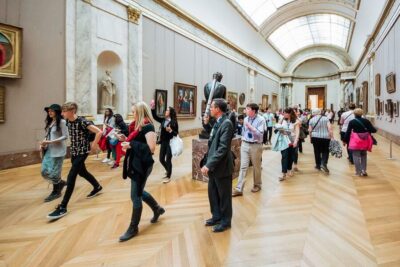 ★ 4.6Louvre Museum Timed-Entrance TicketTickets from $2671,977 guest reviews
 ★ 4.6Disneyland® Paris 1-Day TicketTickets from $6149,412 guest reviews
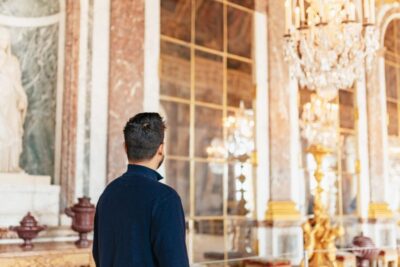 ★ 4.6Versailles Palace and Gardens Full Access TicketTickets from $1741,579 guest reviews
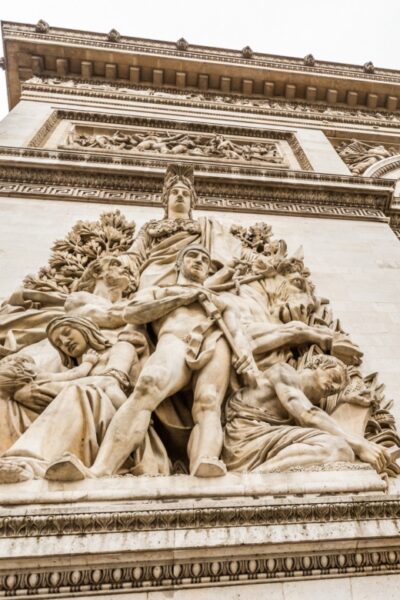 ★ 4.6Arc de Triomphe Rooftop TicketsTickets from $1834,264 guest reviews
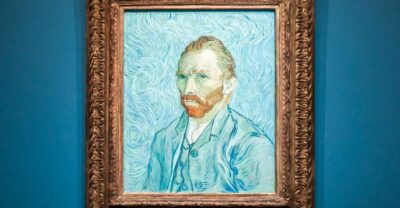 ★ 4.7Orsay Museum Entry TicketTickets from $1525,647 guest reviews
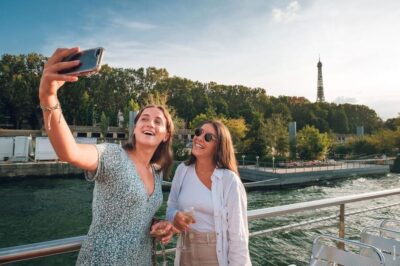 ★ 4.4Evening River Cruise with MusicTickets from $2722,721 guest reviews
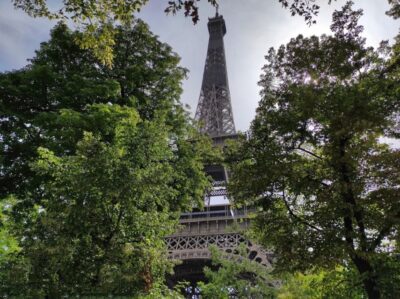 ★ 4.4Eiffel Tower Entry Ticket with Optional Summit AccessTickets from $2920,035 guest reviews
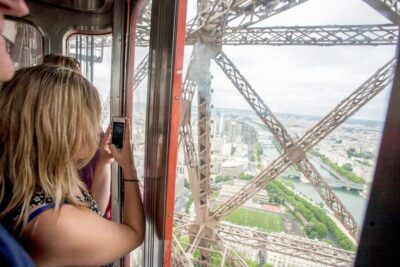 ★ 4.3Eiffel Tower Summit or Second Floor AccessTickets from $5917,248 guest reviews