
Review · MONTMARTRE TOURS
Paris: Musée de Montmartre and Gardens Entry Ticket
Montmartre feels like a stage set, but this museum gives you the backstory. In the seventeenth-century Bel Air House, you can trace how artists, cabarets, and small studios shaped the district we picture today. I like that you get Skip-the-line entry plus a self-paced audioguide built around real places in Montmartre.
Two things I especially love: the way the museum turns Montmartre’s art scene into a clear timeline, and the quiet break of the Renoir Gardens with the Montmartre vineyard. It’s also one of those rare spots where you can do something cultural without feeling rushed.
One consideration: you still need to plan your timing. The museum closes at 7:00 PM, and the last entry is 45 minutes before closing, so don’t leave it for too late in your day.
Key points to know before you go
- Oldest Montmartre building feel: The museum is housed in the seventeenth-century Bel Air House.
- 90-minute audioguide, flexible pace: Hear the story first, then stay longer if you want.
- Gardens plus vineyard time: The Renoir Gardens and Montmartre vineyard add a calm, outdoor stop.
- Chat Noir and the shadow theatre era: The museum connects venues and performers you associate with Montmartre.
- Temporary exhibitions are part of the plan: You will see rotating shows alongside the permanent collection.
- Café Renoir is a bonus stop: It is included, but it can be affected by private events on some days.
Bel Air House: walking into Montmartre’s oldest address
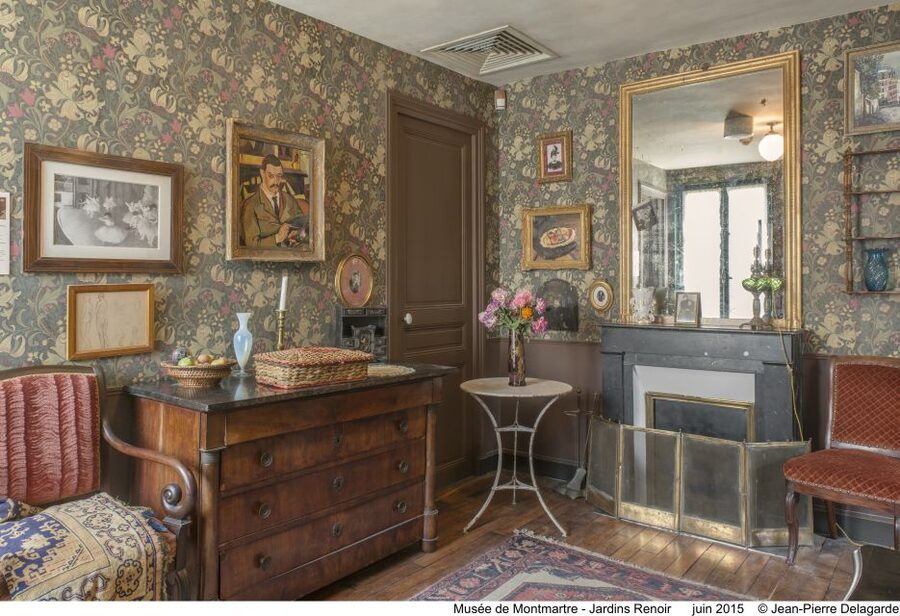
The Musée de Montmartre is not just a collection of paintings behind glass. It is in the Bel Air House, a seventeenth-century building and the oldest structure in Montmartre. That matters, because it changes how you experience the material. You are not only learning about the district, you are standing inside an older piece of it.
Montmartre has a lot of viewpoints and postcards, and it can feel like the “creative spirit” is just an idea. Here, that spirit gets grounded. The building itself signals age, staying power, and a sense of place that goes beyond the modern tourist buzz.
If you are the type who likes context, you’ll appreciate how the museum frames Montmartre as a place people moved to, worked in, performed in, and reinvented over time. It’s a small museum in footprint, but it feels intentional in how it guides you through the story.
More Paris tours and experiences for the shortlist



Skip the ticket line and start with the 90-minute audioguide
Your ticket includes entry to the museum’s permanent and temporary exhibitions, plus access to the gardens and the coffee shop. You also get skip-the-ticket-line entry, which is a real time-saver on a day when Montmartre can be crowded.
The plan revolves around an audioguide. The audio tour lasts about 90 minutes, and you are welcome to stay after it ends. That is a good setup for real travel days, because you can use the audioguide to get your bearings fast, then slow down where your curiosity pulls you.
Here’s a practical way to handle it:
- Start the audioguide right away so the big picture clicks.
- After the main story, return to rooms that caught your attention.
- Save the outdoor gardens for when you want a break from indoor pacing.
Also note timing. The museum is open from 10:00 AM to 7:00 PM, and the last entry is 45 minutes before closing. If you show up late, you might still get in, but you may not have enough time to enjoy the gardens at a relaxed pace.
Montmartre as a timeline: from annexation to cabarets
The audioguide helps you connect dots that are easy to miss when you just wander around Montmartre streets. It explains how Montmartre’s story changes in the 19th century, including when the district was annexed to the city of Paris. After that, Paris becomes the gravitational pull, and Montmartre shifts from countryside atmosphere to an artistic magnet.
One reason I like this approach is that it answers the question, Why did Montmartre become Montmartre? The museum does not treat the arts scene as magic. It treats it like a timeline with real turning points.
Artists started moving to Montmartre around 1870. Then in the 1880s, cafes and cabarets multiplied. That set the stage for the kind of performances people now associate with Montmartre.
The museum also highlights the Chat Noir, one of the most celebrated cabarets, and links it to Théâtre d’Ombres (shadow theatre), created in 1866 by Henri Rivière and Henry Somm. Instead of only naming famous venues, you get the idea that theatre, music, circus, and dance all overlapped.
If you recognize performer names, you’ll feel the connections more strongly. The museum mentions artists such as Aristide Bruant and Yvette Guilbert, plus performers associated with the Moulin Rouge, including La Goulue and La Môme Fromage. It also nods to dancers like Grille d’Egouts and explains how Toulouse-Lautrec represented these performances through his work.
My tip: keep an eye out for how those names are used. If a room feels like it’s just listing titles, you might miss the point. The museum is trying to show how Montmartre’s stage life fed the art world and vice versa.
Artist studios and 12 Cortot: the feeling of work, not myth
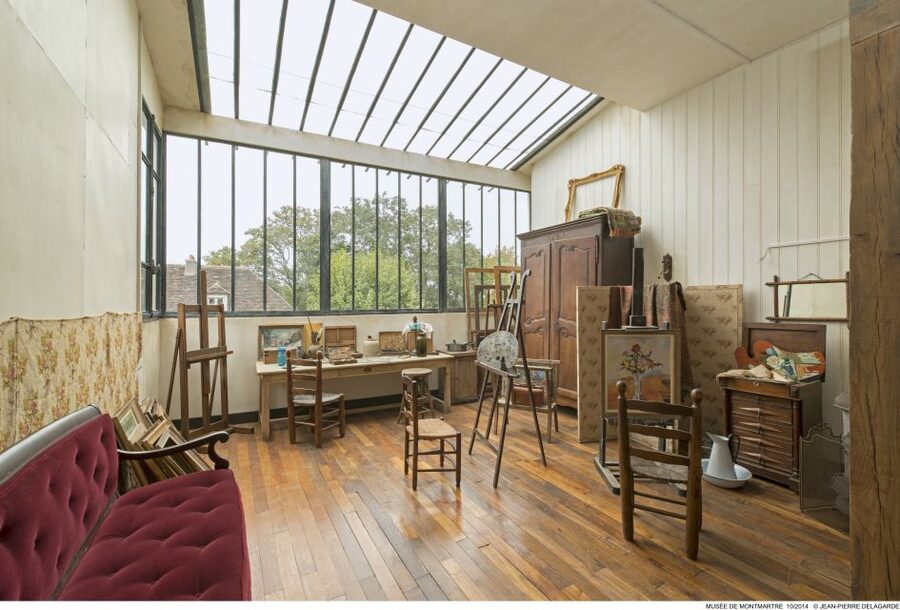
Montmartre’s reputation can turn into a myth if you only see it through posters and postcards. This museum pushes you closer to the reality of artists living nearby and using spaces like studios.
It brings up the artists’ studios, including 12 Cortot, which witnessed the passage of several artists. The museum also connects to how artists loved painting their residences. That detail is small, but it changes your mental image of Montmartre from a theme to a working neighborhood.
I like that the museum doesn’t just focus on famous cabaret moments. It shows the everyday side of creative life: studios, rooms, and the idea that a district can become a network, not a single attraction.
And yes, you will see works and interpretation tied to artists connected to Montmartre. You can also expect temporary exhibitions, so the museum stays worth returning to.
Temporary exhibitions: when the museum feels current
Alongside the permanent collection, the museum offers temporary exhibitions. On some dates, visitors have seen exhibitions connected to Impressionist-era artists and related themes, including shows like Maximilian Luce and Herbin.
The practical benefit for you is simple: it gives your visit variety even if you return someday, and it helps keep the museum from feeling like a museum that is stuck in one time period.
One caution from real timing experience: on certain days, a part of the building may have limited access. For example, a top floor has been reported as closed during at least one visit. If you hate missing rooms, plan extra time so you are not disappointed if something is out of action.






Renoir Gardens and the Montmartre vineyard: the quiet reset
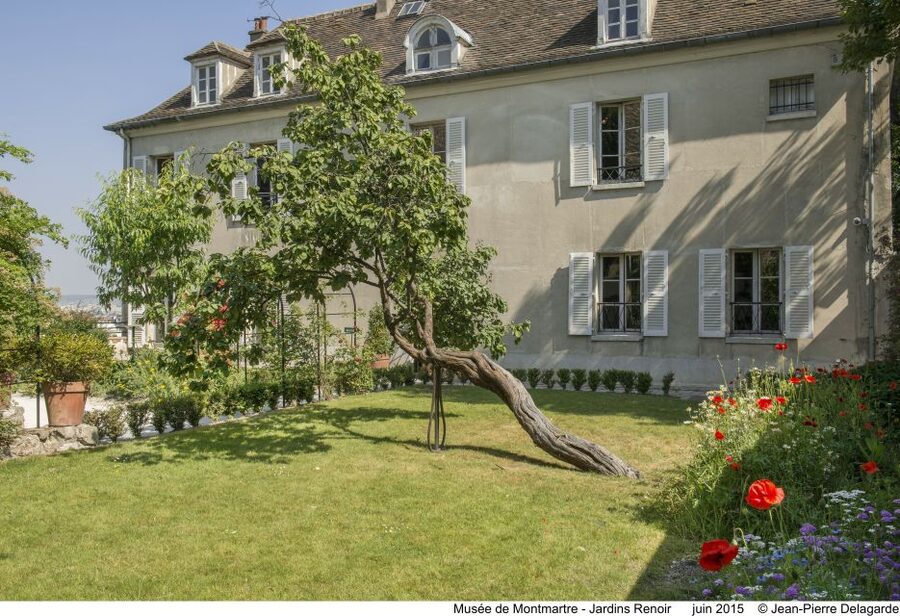
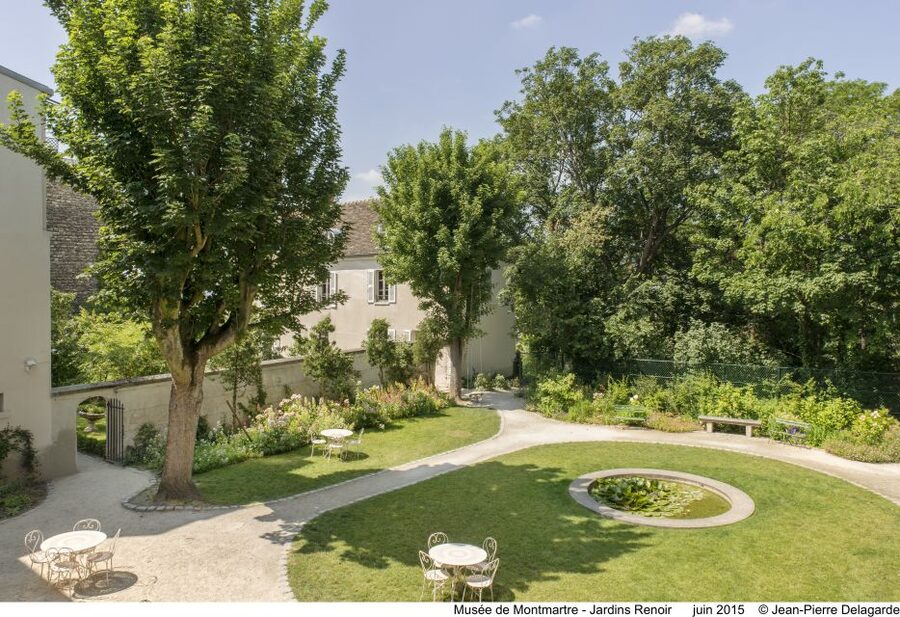
The Renoir Gardens are one of the best reasons to book this ticket, especially if you like museums that end with fresh air. Your entry includes access to the gardens, and it also includes access to the Renoir private garden.
You’ll get a sense of Montmartre’s living landscape through the lush flora in the gardens and the presence of the Montmartre vineyard. Even when the weather is not perfect, this part of the visit feels like a reset. It is the break between “looking at art” and “being somewhere.”
If you’re photographing, treat the gardens like your second museum. You will see angles you cannot get from streets below, and you’ll likely have calmer moments to look slowly.
Café Renoir: take a snack break, but confirm it is open
Your ticket includes access to the coffee shop, and the café, Café Renoir, is open from 11:00 AM to 6:00 PM.
This is a nice add-on because the museum is self-paced. After an hour or two of audioguide listening and indoor rooms, you’ll want a place to sit. The gardens also make a picnic-style vibe feel natural, even if you are ordering inside.
One real-world wrinkle: the Café Renoir has been reported as closed due to a private event on at least one visit. That does not mean it will happen to you, but it does mean you should be mentally flexible. If it is shut, you can still enjoy the gardens and keep moving through the museum at your own pace.
How long to plan, and how to pace your day in Montmartre
This is listed as a 1-day experience, but the right way to think about it is time-blocking. The audioguide takes about 90 minutes, and then you have permission to linger.
In practice, I’d plan for:
- Around 90 minutes for the main audio story.
- Extra time for gardens and for any temporary exhibition.
- A snack stop if the Café Renoir is open.
Also consider the approach. One visitor noted the walk up to the museum can feel like a bit of a trek. Montmartre already has hills, and this museum sits where you feel the climb.
If you want the easiest day, go earlier rather than later. You will still have time for the gardens, and you reduce the odds of rushing to make the last entry window.
Wheelchair access and who this ticket suits best
The museum is wheelchair accessible, which is great to know if mobility needs affect how you explore Montmartre.
Who this experience tends to suit well:
- You like self-paced travel more than a live guide schedule.
- You want the “why” behind Montmartre’s fame, not just a list of landmarks.
- You enjoy art periods but also care about how people lived and performed.
- You want indoor culture plus a calm outdoor stop in the same ticket.
If you are traveling with kids, you might find the museum easier than long, lecture-heavy stops. That said, one family-focused comment was that you should not rely on the café if you have picky children, so build in a Plan B snack idea for your group.
Value for money: is $16 worth it?
At $16 per person, the pricing makes sense once you look at what is included. You are not only buying entrance to a standard gallery. Your ticket bundles:
- Entrance to permanent and temporary exhibitions
- Gardens access
- Renoir private garden access
- Skip the ticket line
- Audioguide
- Access to the coffee shop
A self-guided museum can become less satisfying if the audio does not hold your interest. Here, the story-driven audioguide is clearly a core part of the experience. The 90-minute structure is also useful because it keeps you from wandering randomly without context.
For me, the standout value piece is the combination of an art and history museum with a garden pause. Many Montmartre tickets focus on views. This one gives you something to understand and something to breathe.
Should you book the Musée de Montmartre with gardens entry?
Yes, you should book it if you want a Montmartre visit that feels calmer and more meaningful than just walking the streets. The museum is housed in an old, story-rich building. The audioguide helps you connect names and venues, from the Chat Noir to the shadow theatre scene created by Henri Rivière and Henry Somm and on to performers like Aristide Bruant, Yvette Guilbert, and Toulouse-Lautrec.
You might skip it only if you are short on time in Montmartre and cannot spare enough hours for both indoors and the Renoir Gardens. Also, if you hate any chance of missing a café stop, remember the Café Renoir can close for private events on some days.
FAQ
Where do I show my voucher?
Show your voucher at the museum entrance.
How long does the audio guide last?
The audio guide tour lasts about 90 minutes.
What are the museum opening hours?
The museum is open from 10:00 AM to 7:00 PM. Last entry is 45 minutes before the halls close.
Are the gardens included with the ticket?
Yes. Your ticket includes access to the museum gardens and the Renoir private garden.
Is the Café Renoir included?
Yes. Access to the museum’s gardens and coffee shop is included, and Café Renoir is open from 11:00 AM to 6:00 PM.
Is a live guide included?
No. A live guide is not included.
Does the ticket include skip-the-line entry?
Yes. You get skip-the-ticket-line access.
Is the museum wheelchair accessible?
Yes, the museum is wheelchair accessible.
What is the cancellation window?
You can cancel up to 24 hours in advance for a full refund.
Can I reserve and pay later?
Yes. You can reserve now and pay later.
More Tickets in Paris
More Tour Reviews in Paris
Not for you? Here's more nearby things to do in Paris we have reviewed












Montmartre Tours, side by side.
 ★ 5.0Montmartre Hidden Gems and Scenic Highlights Walking TourTickets from $382,684 guest reviews
 ★ 5.0Montmartre Hill French Gourmet Food and Wine Tasting Walking TourTickets from $1452,588 guest reviews
 ★ 4.8Montmartre Cheese, Wine & Pastry Guided Walking TourTickets from $1272,255 guest reviews
 ★ 4.9Montmartre Highlights Walking Tour with a Local GuideTickets from $341,668 guest reviews
 ★ 4.1Sacré-Coeur and Montmartre Tour with Expert GuideTickets from $281,027 guest reviews
 ★ 5.0Private Montmartre Food Tour with Wine, Cheese & PastriesTickets from $3021,027 guest reviews
 ★ 5.0Paris Montmartre Food Tour – A Full French Meal by Do Eat BetterTickets from $95877 guest reviews
 ★ 5.0Hidden Montmartre: Paris’ Secret Streets Walking TourTickets from $44809 guest reviews
This tour also belongs to