
Review · PARIS CITY TOURS
Paris: Kids in the Kitchen – Croissant
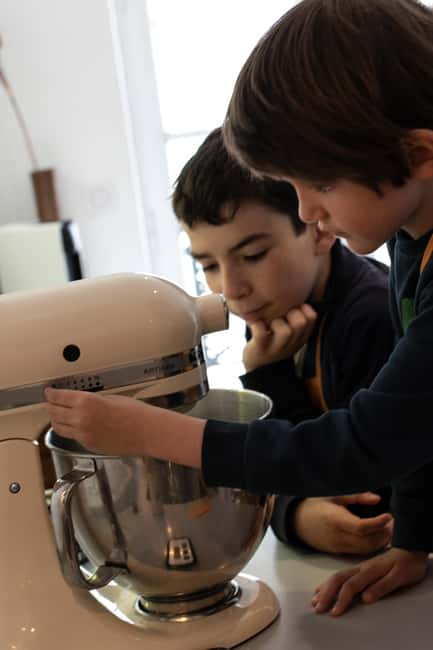
Croissants are a sweet Paris mission. In this kids-first cooking class, you learn croissant basics using simple tools that feel like what you have at home, not big industrial gear. I like that it is built for children starting at age 3 and designed for families, not a sit-and-watch demo. One thing to plan for is the location: it takes place on a 5th floor with no elevator, so stairs are part of the experience.
The format also stays very human, small group size (limited to 4 participants) means the instructor can slow down when kids need extra time. I also love that the lesson starts with mise en place, then moves through the story of croissants and related viennoiseries you can make after the class. A possible drawback is timing expectations, it is 90 minutes, so it will feel like learning the core skills rather than a full baking marathon.
If you want a calm, hands-on way to do French baking, this is a smart choice. With an apron borrowed for you, plus coffee or tea during the session, it has the feel of a cozy workshop more than a factory-style activity. For anyone traveling with very young kids, note the class is not suitable for children under 2.
Quick hits before you book
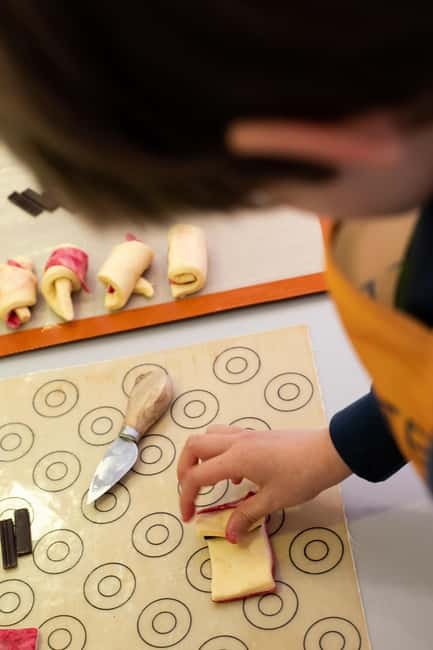
- Kid-first design for families with children starting at age 3, with hands-on making
- Simple, at-home tools so kids can participate without feeling overwhelmed
- Small group limit of 4 so you get actual attention, not just a crowd
- Mise en place to dégustation structure, starting from setup and ending with tasting
- English and Spanish instruction, useful if your group mixes languages
- Private Paris apartment setting that feels local and personal
Paris croissant class for kids, small groups, real participation
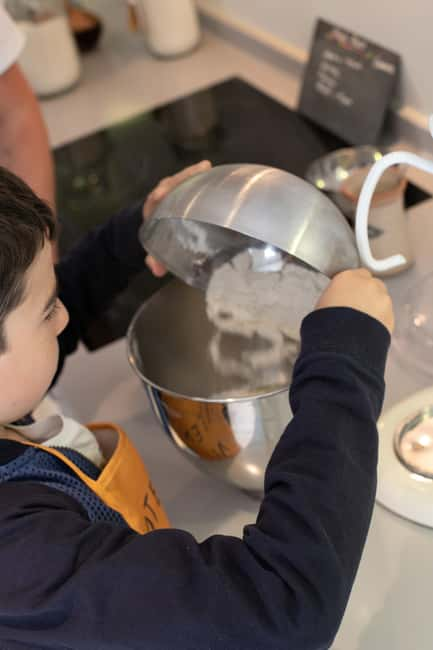
This experience is built around one goal, get kids cooking. Not just smelling butter and taking photos, but doing the steps with tools that are manageable. The promise here is practical: you will recreate the experience at home using equipment that is more realistic than what you see in professional bakeries.
A big reason I think this works is the group size. With only 4 participants, the instructor can adjust pacing and instructions to the people in front of them. That matters most when you are cooking with children, because some kids move fast and others need an extra minute to focus.
The second reason I like it is the “from setup to tasting” flow. You start with la mise en place, then you travel across centuries to understand viennoiseries, and you finish with a dégustation. Even if your child is not into history, the storytelling can turn baking into something that feels meaningful.
You can also read our reviews of more tours and experiences in Paris.



The 90 minutes: what happens from start to finish
You will spend about 90 minutes in a private apartment workshop setting. The class is framed as learning everything about croissant, but it is not a lecture. It starts the way good kitchens start, with preparation.
First comes la mise en place. This is the French kitchen habit of setting out tools and ingredients before you start the main work. For kids, this is gold. It gives the activity structure, and it helps you keep the chaos level under control because everyone can see what comes next.
From there, you move into the story of viennoiseries. The class includes a fun fact that croissant was created in Austria, then it connects that origin to what you will recognize as French baking culture. The goal is to make you understand what you are making, not only how to make it.
Then you put learning into action with the materials provided. The experience includes all main materials to do the experience, plus an apron borrowed for the class. You will end with coffee or tea, so it is not just work. It is also a proper pause, which makes the whole session feel more like a relaxed family moment.
Why starting with simple tools actually helps kids
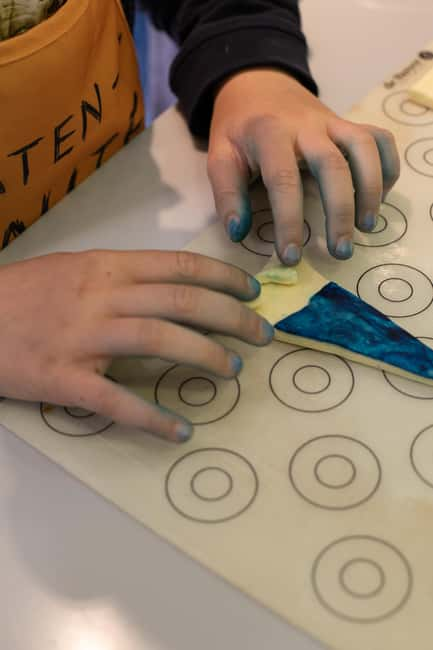
Many cooking classes claim to be kid-friendly. Then you show up and kids are handed equipment that is heavy, sharp, or intimidating. Here, the emphasis is different: simple tools, like you would find at home, not industrial tools.
That detail matters because croissant making is tactile. Kids need to feel confident using what is in front of them. When tools are oversized or too advanced, kids get anxious. When tools are familiar, they can focus on the task.
You can also picture bringing this home. The class is designed so you can recreate the experience later. That means you are not just consuming a one-time activity. You are collecting a repeatable kitchen rhythm, the kind you can do on a weekend when you want something special.
Croissant origins and viennoiseries: the story part that sticks
The class does not treat history as filler. It uses it as a way to frame what viennoiseries are and why croissants matter in the first place. You start with croissant being created in Austria, then you travel over centuries together to discover the world of viennoiseries.
If you have ever tried to teach kids something purely by facts, you know it can vanish quickly. Here, the story is connected to the act of cooking. When a kid is working with dough and hearing how it evolved, the information has a place to land.
The experience is also explicitly about families and locals. The message is that you should live and experience as a local, not just check off a baking class on a list. In real terms, that means the apartment setting and small group vibe matter, because you feel like you are participating, not watching.
Private apartment cooking: the vibe is the point
This happens in a private Parisian apartment. That is not a small detail. It changes the energy of the class from “activity center” to “someone’s home kitchen.”
The upside is atmosphere. Apartments tend to feel warmer and less staged. You are more likely to get natural conversation, and kids often relax more in a setting that feels lived-in.
The downside is the building reality. The apartment is on a 5th floor with no elevator. If you are traveling with strollers, wheelchairs, or anyone who has trouble with stairs, plan carefully. This is also worth noting if you have a lot of bags or supplies, because you will be carrying everything up.






Languages and group size: how it affects your family’s comfort
Instruction is in English and Spanish. That can make a big difference if you are with grandparents, mixed-nationality families, or friends who do not speak French. Even if you know a few words, having the lesson in a language you understand fully is the difference between kids staying engaged or tuning out.
The group is limited to 4 participants. This is an unusual advantage in Paris where many classes run larger. With a smaller group, kids get more turns and more guidance. Adults get more clarity too, which means you can actually replicate the results later.
Price and value: is $182 per person worth it?
At $182 per person, this is not a bargain-bin class. But when I look at value, I do not only compare price. I compare what you get that you cannot easily copy on your own.
Here is what the price covers:
- All main materials for the class experience
- Apron borrowed for the session
- Coffee or tea
- A kid-focused format designed for families and children starting at age 3
- A small group limit of 4 participants
- Instruction in English or Spanish
If you tried to recreate this at home from scratch, you would still need ingredients, tools, and time. You might also spend money on supplies that you do not use often. The class bundles materials and instruction into a single 90-minute session, and that is where the value sits.
Also, this is a private apartment setting. That usually means less crowding and more attention. For families with young kids, attention and atmosphere are part of the cost, not extras.
If your family wants a hands-on baking memory, plus skills you can repeat, then the price starts to make sense. If you are mainly shopping for a budget activity, this one may feel steep.
What to bring, what to expect with kids
The class includes aprons borrowed, so you likely do not need to bring one. Since the experience includes materials, you probably will not need to pack ingredients or baking tools.
What you should plan for is the practical kid stuff:
- Expect hands to get messy during a baking activity
- Plan for focus, 90 minutes is long enough to feel like a real workshop, not long enough to lose the whole group
- Bring patience, especially if your child is new to cooking
From the review feedback, the instructor style is a major part of the success. One review highlighted that the instructor was very patient and kind, and that matters when kids are learning something new with their hands.
Who this croissant class is best for
This is clearly aimed at families and kids. It is not for very young toddlers, since it is not suitable for children under 2. Starting at age 3 is specifically part of the design, so it is meant to work at that stage.
I would especially consider booking if:
- You want a structured activity that involves real cooking
- Your kids like hands-on tasks more than crafts
- You prefer small groups over big tours
- Your group includes English or Spanish speakers
- You want a Paris experience that feels local, in an apartment, not a school-like hall
If your child is older and loves baking, you will still benefit. The course is built for kids, but adults can learn too, especially the mise en place approach and the story context around viennoiseries.
Stairs, timing, and how to reduce stress
Because it is on a 5th floor with no elevator, you should treat arrival like part of the plan, not an afterthought. If you are bringing a stroller, decide early if you can handle stairs comfortably. If not, you may want to switch to a travel-friendly option, or choose a family member who can manage the stairs without strain.
Also, pick your day and time carefully. Ninety minutes is short compared to full-day tours, but it is long enough that you want kids rested and ready. If you arrive late or hungry, baking becomes harder.
The meeting point instructions are provided through the provider, so follow them closely. Apartment classes rely on you finding the right door quickly, because there is usually no extra time built in.
Should you book this Paris Kids in the Kitchen class?
Book it if you want a kid-friendly, hands-on croissant experience in a small group setting. The strongest reasons to choose it are the simple tools that feel manageable for children, the family-focused design starting at age 3, and the practical learning flow that starts with mise en place and moves through viennoiseries.
Skip it if your group cannot handle stairs, because the apartment is on a 5th floor with no elevator. Also, if you are looking for a deep, multi-hour cooking program with lots of downtime, this is a tight 90 minutes. Think of it as skill-building and tasting, not a full-day bakery tour.
If you match the target audience, it is the kind of activity that turns into a story you can repeat back home, with a baking session you can recreate later.
FAQ
Where does the class take place?
The experience takes place in a private Parisian apartment. It is located on a 5th floor with no elevator. You reach it by following the meeting point instructions provided by the operator.
How long is the Paris Kids in the Kitchen – Croissant experience?
It lasts 90 minutes.
How many people are in the group?
It is a small group limited to 4 participants.
What languages is the class taught in?
The instructor teaches in English and Spanish.
What is included in the price?
All main materials are included, an apron is borrowed for the experience, and coffee or tea is provided.
What age is the class for?
It is not suitable for children under 2. The experience is designed for kids starting from 3 years old and for families.
Is the class hands-on or more of a demonstration?
It is a hands-on cooking class. The highlight is that you use simple tools, like at home, to recreate the experience.
What is the class about?
You learn everything about croissant, starting with la mise en place and then moving over centuries to discover viennoiseries that you can do after the class.
Can I cancel, and how late can I cancel?
Free cancellation is available up to 24 hours in advance for a full refund.
Do I have to pay right away?
You can reserve now and pay later to keep travel plans flexible, and pay nothing today.
More Tour Reviews in Paris
Not for you? Here's more nearby things to do in Paris we have reviewed












Paris City Tours, side by side.
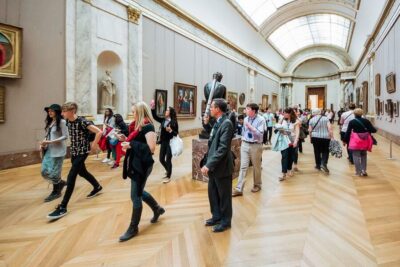 ★ 4.6Louvre Museum Timed-Entrance TicketTickets from $2671,977 guest reviews
 ★ 4.6Disneyland® Paris 1-Day TicketTickets from $6149,412 guest reviews
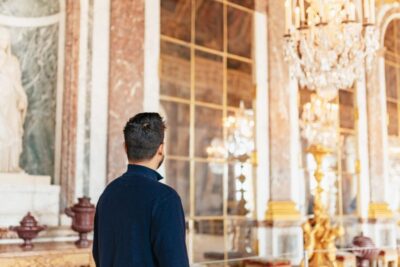 ★ 4.6Versailles Palace and Gardens Full Access TicketTickets from $1741,579 guest reviews
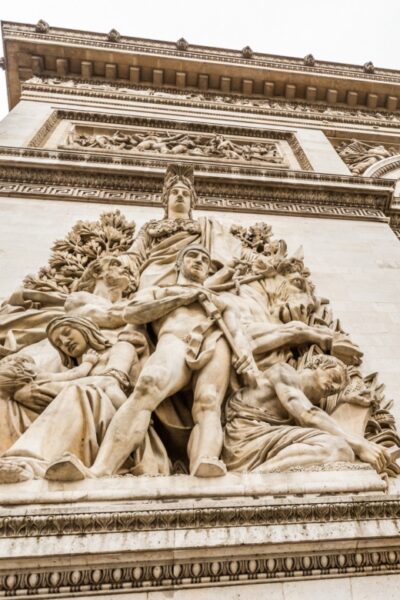 ★ 4.6Arc de Triomphe Rooftop TicketsTickets from $1834,264 guest reviews
 ★ 4.7Orsay Museum Entry TicketTickets from $1525,647 guest reviews
 ★ 4.4Evening River Cruise with MusicTickets from $2722,721 guest reviews
 ★ 4.4Eiffel Tower Entry Ticket with Optional Summit AccessTickets from $2920,035 guest reviews
 ★ 4.3Eiffel Tower Summit or Second Floor AccessTickets from $5917,248 guest reviews