
Review · PARIS CITY TOURS
Paris: O Chateau’s Wine Tasting Dinner
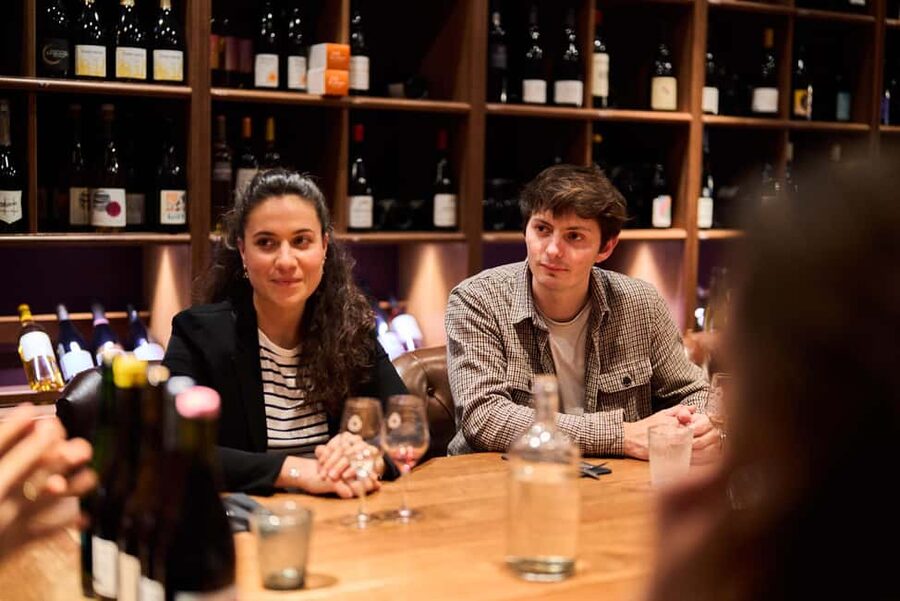
Four wines, three courses, one smart Paris lesson. I like how this dinner blends wine tasting with hands-on guidance, so you leave knowing what to look for on a bottle. I also like the central location near the Louvre, paired with an intimate, old-Paris room that makes the whole evening feel special.
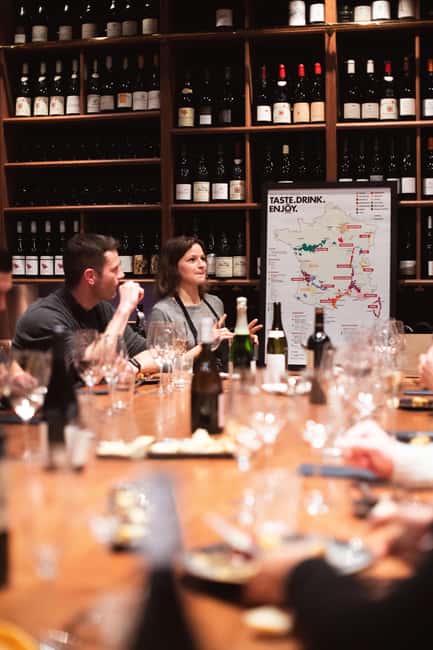
You start in a former townhouse setting that once hosted receptions tied to Mme de Pompadour, with names like Voltaire, Rousseau, and George Sand connected to the story. Between courses, your English-speaking sommelier guides you through how to taste, how to read wine and champagne labels, and how to pair wines with food so you can shop the next wine list with confidence.
One possible drawback: this is not a huge-feeling dining experience. In at least one recent account, the wine pours and food portions felt small, so go in expecting a guided tasting dinner, not a long, lavish meal.
Key things to know before you go
- Close to the Louvre: at 68, rue Jean-Jacques Rousseau, about a 3-minute walk
- 4 wine pairings, including Champagne: across France, matched to a changing 3-course menu
- Label reading practice: you get specific help for both wine labels and champagne labels
- Sommelier-led, English instruction: with a final cheat sheet to take home
- Old vaulted-room atmosphere: a former hotel particulier with connections to Mme de Pompadour
A Voltaire-Era Wine Dinner near the Louvre
Ô Chateau runs its wine tasting dinners in central Paris, right at 68, rue Jean-Jacques Rousseau, 75001. It is about a 3-minute walk from the Louvre, and the nearest metro stops are Louvre Rivoli (Line 1) and Etienne Marcel (Line 4). That location matters, because you can make this a simple add-on to a day of museum time, then stay local for dinner.
The setting is part of the point. The venue sits in a former hotel particulier tied to Mme de Pompadour, a 17th-century figure whose receptions included famous literary names such as Voltaire, Rousseau, and George Sand. You also get a sense of how wine fits into that older Paris world, with the story of vaulted cellars where wine was stored for those receptions.
Most dinners are either food first or drink first. This one tries to make the wine the vehicle for the experience. Your sommelier keeps the focus practical, not fancy for fancy’s sake. The result is that the evening feels like a guided evening out, not a lecture and not a blind tasting where you just guess.
How the 90 Minutes Flow: 3 Courses and 4 Wine Pairings
The dinner runs for 90 minutes and starts at 20:00 at Ô Chateau. That is a good length for most people. You get time for an actual meal with pairings, but you are not signing up for a long night that drags late.
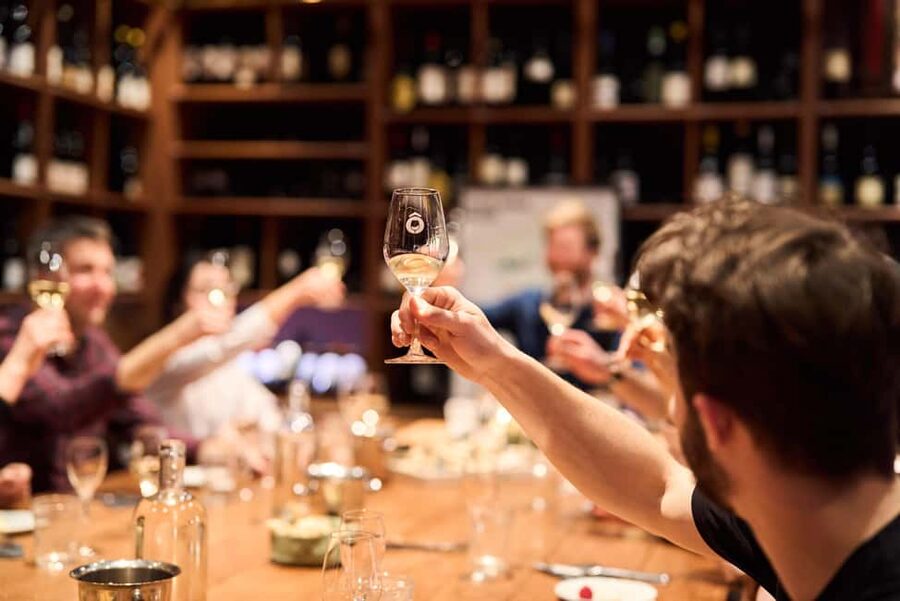
You will enjoy a chef-prepared 3-course menu, paired with four wines. One of those wines is Champagne, which is useful because it teaches you how bubbles fit into pairing, and it helps you compare it directly to still wines as the night moves along. The specific dishes can vary, because the menu uses fresh seasonal produce and changes regularly, but the structure stays the same.
Here is what that rhythm usually means in real life:
- You taste and learn before you get overwhelmed.
- Each course comes with a pairing tied to the flavors on the plate.
- Your sommelier uses the wines to teach you what to look for in aroma, taste, and label language.
Be aware that the tasting dinner format can feel tighter than a full restaurant meal. If you want slow, repeat pours and lots of extra food, this may feel more like a structured lesson than an all-you-want experience. One account mentioned smaller pours with no refills, so if that matters to you, it is worth planning your expectations accordingly.
What You Learn from the Sommelier, Not Just What You Sip
This is where Ô Chateau earns its strong marks. The evening is built around learning to taste and to pick wine for yourself. You get an English-speaking sommelier who takes you through themes designed to build your wine confidence fast.
The big skills you practice are simple, but they are the exact skills that help outside the dinner room:
- How to read a wine label in a way that connects to taste, not just jargon
- How to read a champagne label, which is its own language in practice
- How to taste like a pro, meaning you notice acidity, sweetness, tannins, and balance rather than just guessing
- How to navigate a wine list when you are at a restaurant and want to order something that makes sense
- How to pair wine with food, using the flavors in front of you
One of the best-reviewed parts of the dinner is the way the sommelier explains things and keeps the room engaged. In one top account, the guide named Kim was praised as exceptional, with personal anecdotes that made the information feel less textbook and more lived-in. Another positive review highlighted expert instruction delivered in a funny, attentive way.
By the end, you receive a cheat sheet of the wines you tasted. That matters because you can recreate the evening at home. You can also use it later when a server asks what you like, instead of relying on vague answers like I like red.
The Menu You Might Taste: Seasonal, But Here Are the Usual Stars
Because the menu changes with the seasons, you should not expect the exact same dishes every night. Still, you can get a good feel for the style from the examples they commonly serve.
For the appetizer, one example is seared scallop with avocado and cucumber salad, with a soy sauce and fresh raspberry reduction. This kind of dish is built for pairing practice because you have salty and savory elements from the scallop and sauce, plus a bright fruit note and crisp texture from cucumber and avocado.
For the main course, one example is veal tenderloin medallions with roasted garlic mashed potatoes, braised seasonal vegetables, and a red wine reduction. This is classic pairing territory. Veal plus potatoes plus a wine reduction means your red pairing has a clear job, to match richness without flattening the flavors.
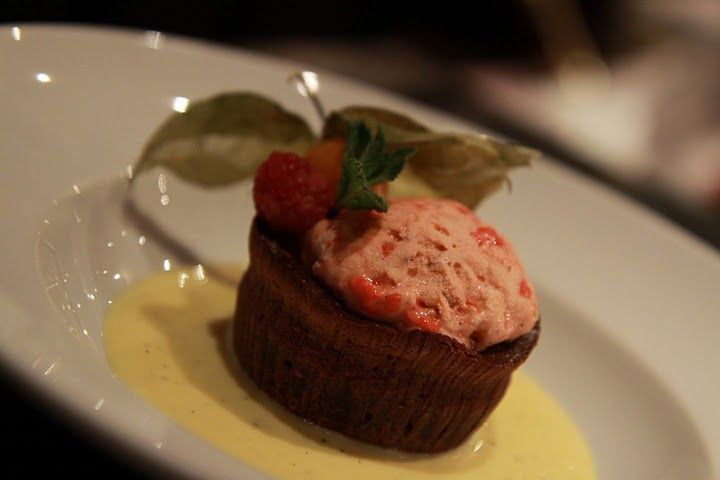
For dessert, one example is moelleux au chocolat with vanilla bean ice cream. That is a win for a tasting dinner because it lets you experience how sweetness and cocoa interact with wine choices, especially if you start to notice how tannins can feel when chocolate shows up.
Is the food always the same level? Most accounts are positive about tastiness and good value for a food-and-wine evening. But one more critical note described lukewarm, fatty, and tough ribeye and a very small dessert portion. Another simply said the food was mediocre. Translation: aim for a high-quality meal, but do not assume every course will land perfectly for everyone.
The Wine Lineup: What 4 Wines from Across France Usually Teaches You
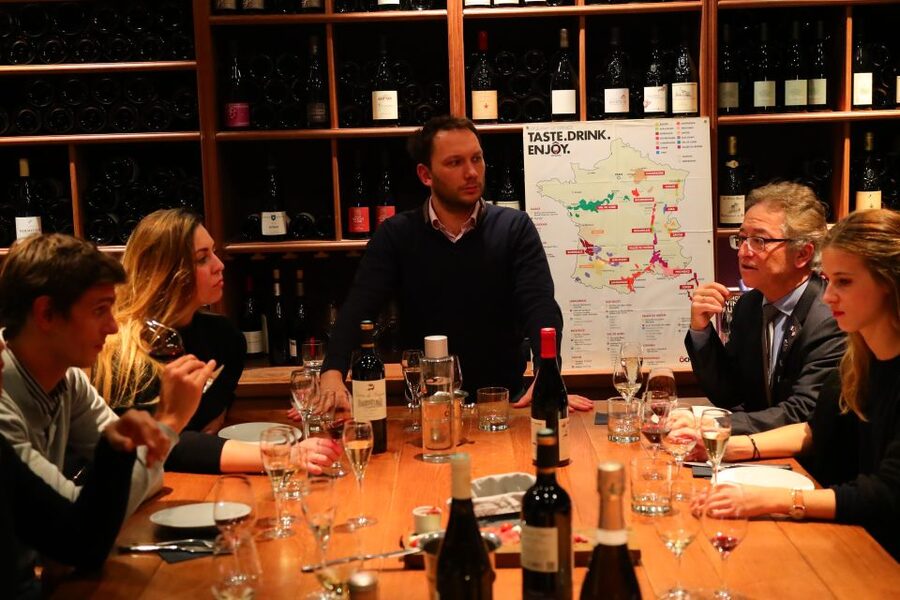
The dinner includes four good French wines chosen to match the menu, plus Champagne. That lineup is designed for learning, not just sampling.
In practical terms, tasting wines from different regions across France helps you build a mental map of what varies by style. You can start connecting flavors to regions rather than just to personal preference. On top of that, your sommelier explains the main regions of France and how the label language hints at what is coming in the glass.
The Champagne pairing is especially useful if you usually treat bubbles as a celebration-only drink. With a guided pairing, you can learn how Champagne behaves with food, such as when the menu introduces acidity, richness, or fruit notes. Once you notice that, Champagne on a wine list stops looking like an expensive gamble and starts looking like a tool.
Also, you will not just be told what to like. You are coached on how to taste and select wine. That is the difference between drinking four glasses and actually becoming more confident.
If you are a beginner, this is a great starting point because it gives you structure. If you already know your way around bottles, you still get value from the label reading and pairing logic, plus the cheat sheet you take home.
Atmosphere and Group Size: Small-Group Energy in an Old Building
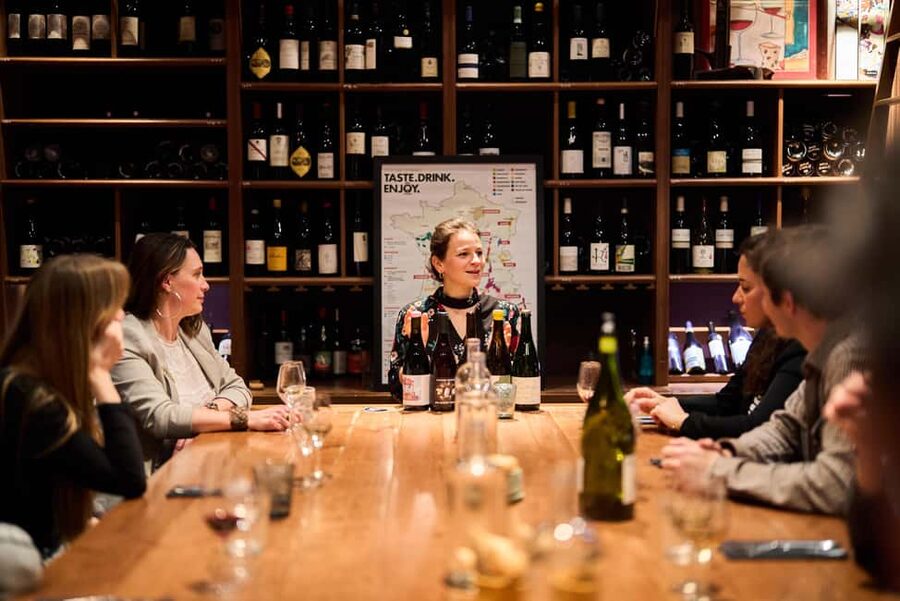
This dinner is not designed as a giant factory group experience. One highly rated account described it as small and intimate, and that matches what you want from a tasting class. With a small group, your sommelier can answer questions and keep the pacing comfortable.
The room itself is one of the draws. You dine in beautiful rooms connected to the venue’s older Paris past. The building has vaulted cellars tied to wine storage, and the overall vibe feels more like a crafted evening at a private house than a loud, commercial restaurant.
That ambiance helps you pay attention. When people are seated calmly and the setting feels historic, your tasting notes stick better in your brain. You are more likely to remember the pairing logic than the exact taste of one wine.
Do not expect this to feel like a museum tour. It is still a dinner with wine, led by a sommelier. The education happens naturally through conversation and guided tasting.
Price and Value at $140 per Person
At $140 per person for 90 minutes, this is not a budget night. You are paying for three things at once:
- A central location near the Louvre
- A guided wine lesson with an English-speaking sommelier
- A real food-and-wine package, including 3 courses and four wines, one of them Champagne
For many people, the value comes from the learning. If you have ever struggled to order wine because you do not know what the label means, this kind of lesson can save you time and money later. The cheat sheet at the end also increases value because you keep something practical.
At the same time, a tasting dinner lives or dies on execution. One critical account said the wine pours were small, no refills were offered, and the food did not match the expected level for the price. Another noted mediocre food. That is your reminder to keep expectations grounded: this is a structured pairing experience, not an unlimited, lavish dinner.
I think $140 is reasonable when the night runs smoothly and you care about learning. If you are mainly hungry and want big portions with heavy pours, this might feel like you paid more for instruction than for volume. Match the experience to your priorities.
Who Should Book, and Who Might Want to Pick Something Else
This experience fits best if you want wine education that is actually usable. It is ideal for:
- Foodies who like pairing wine with specific flavors
- Beginners who want to stop guessing and start reading labels
- People who enjoy a structured, small-group evening
- Anyone who wants a convenient, central Paris dinner without a lot of logistics
It may not be the best fit if:
- You want a long, slow dining experience that feels like a full sit-down feast
- You want unlimited pours or lots of extra food beyond the three courses
- You are extremely sensitive to portion size, since at least one account reported small pours and limited dessert
A smart way to decide is to ask yourself what you want most. If your priority is learning and pairing, you will likely feel satisfied. If your priority is sheer quantity, you might feel underfed.
Should You Book This Ô Chateau Wine Tasting Dinner?
If you care about wine beyond just taste, I would book it. The combination of label reading instruction, four-region-style wine learning, and a cheat sheet gives you more than a one-night meal. Add in the historic venue feeling and the convenience near the Louvre, and it becomes a very efficient Paris night.
Still, keep one practical caution in mind. Since at least one recent account described disappointing food and small pours, go in expecting a guided tasting dinner, not a lavish overflow meal. If you want something that is consistently heavy on food quantity, look for a traditional restaurant option instead.
If your goal is to leave with better instincts for ordering wine in France, in your next city, and at home, this is a strong bet.
FAQ
How long is the O Chateau wine tasting dinner?
The dinner lasts 90 minutes.
What is included in the ticket price?
You get a 3-course menu prepared by the house chef and four wine pairings, including one Champagne. The experience also includes an English-speaking sommelier and a cheat sheet with the wines you taste.
Where does the experience take place?
It takes place at O Chateau, 68 rue Jean-Jacques Rousseau, 75001 Paris. It is about a 3-minute walk from the Louvre. Nearest metro stations are Louvre Rivoli (Line 1) and Etienne Marcel (Line 4).
What time does the dinner start?
The dinner starts at 20:00.
Do I need to be an expert in wine?
No. The experience is designed for people who love wine and food and want to have a good time. You will learn how to read wine and champagne labels and how to taste and select wine.
What should I bring, and are tips included?
Bring cash. Tips are not included in the price.
Can I cancel and get a full refund?
Yes. Free cancellation is available up to 24 hours in advance for a full refund.
Paris City Tours, side by side.
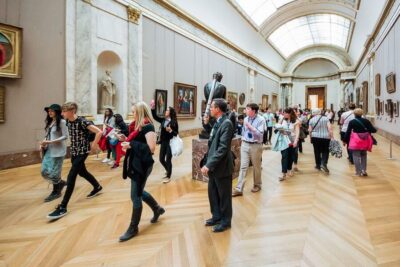 ★ 4.6Louvre Museum Timed-Entrance TicketTickets from $2671,977 guest reviews
 ★ 4.6Disneyland® Paris 1-Day TicketTickets from $6149,412 guest reviews
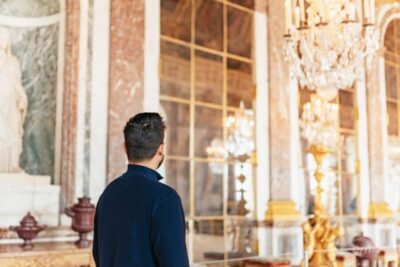 ★ 4.6Versailles Palace and Gardens Full Access TicketTickets from $1741,579 guest reviews
 ★ 4.6Arc de Triomphe Rooftop TicketsTickets from $1834,264 guest reviews
 ★ 4.7Orsay Museum Entry TicketTickets from $1525,647 guest reviews
 ★ 4.4Evening River Cruise with MusicTickets from $2722,721 guest reviews
 ★ 4.4Eiffel Tower Entry Ticket with Optional Summit AccessTickets from $2920,035 guest reviews
 ★ 4.3Eiffel Tower Summit or Second Floor AccessTickets from $5917,248 guest reviews
This tour also belongs to